
Inside the Montana 500: Driving and Photographing Model Ts Across Montana
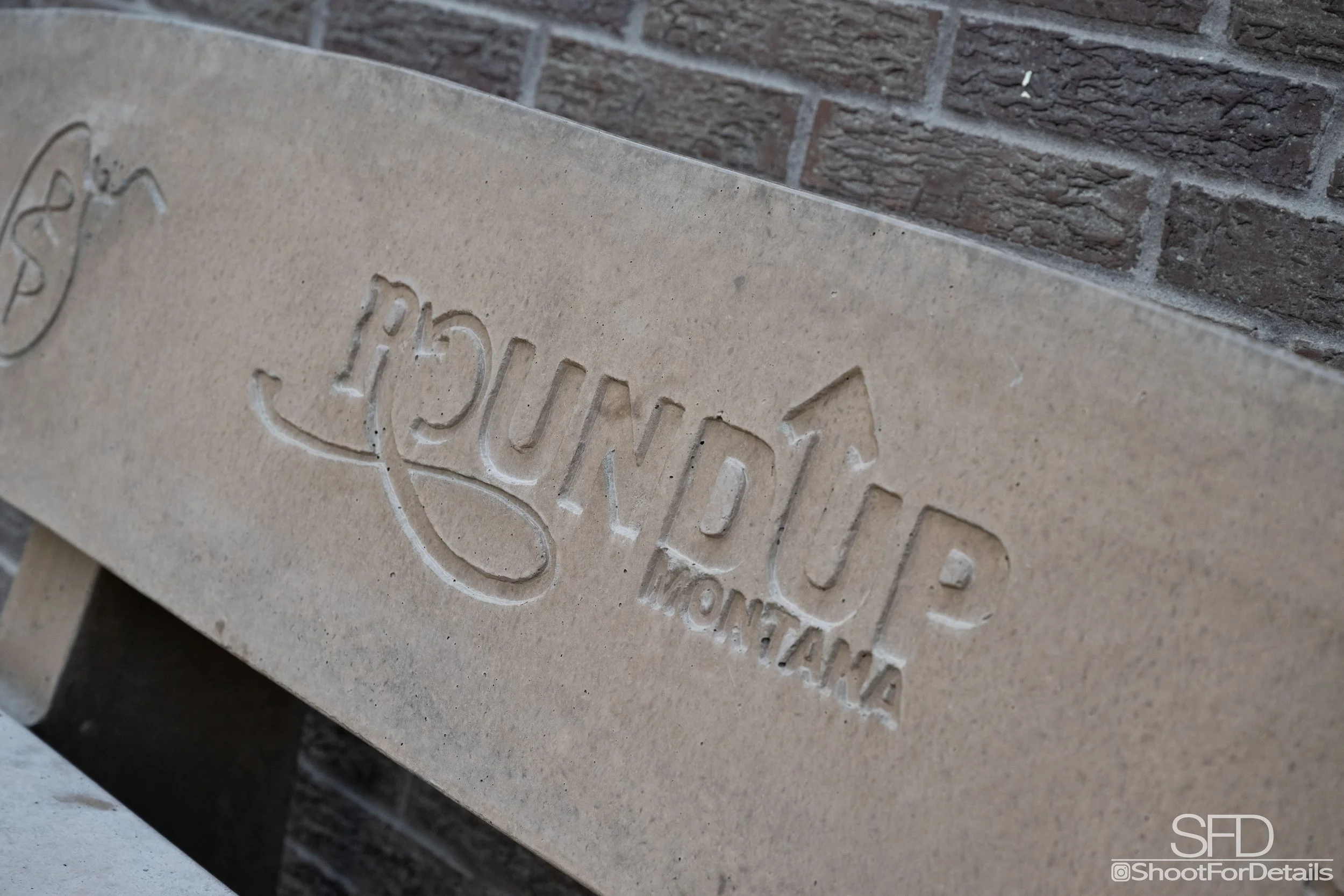
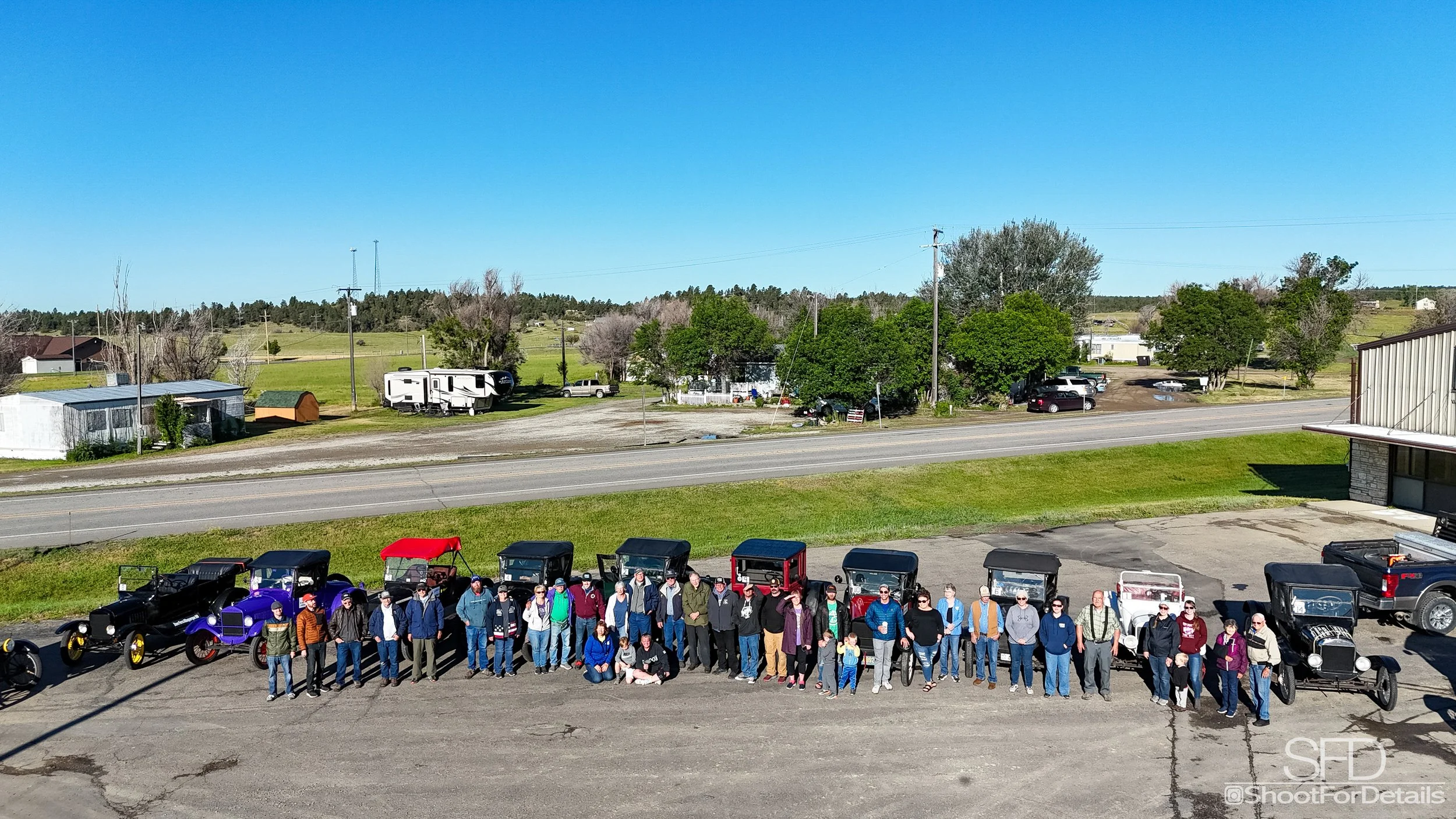
I got a call from Kyle Smith, who was on assignment for Hagerty, asking if I wanted to go to Montana. He had been chasing a story about a Model T event held in Roundup and could not find much information on it. He wanted to see it for himself and needed someone to document the experience. I did not hesitate, and I said yes. A few months passed between that call and the trip, and the idea sat in the back of my mind the entire time. I did not fully know what the event was, but I knew it was going to be something different. When the time finally came, Kyle had already begun driving across the country with a truck and trailer. I flew out and met him at the airport so our timing would line up perfectly. From there, we spent the next six hours driving, talking, and watching the landscape slowly change around us. We stopped at landmarks, pulled over at a canyon that stretched for miles, and took everything in. By the time we reached Roundup, it did not feel real. The town reminded me of the quiet, forgotten setting from the Pixar movie Cars, with one blinking traffic light, very few people, and a single restaurant at the end of the strip where everyone seemed to gather.
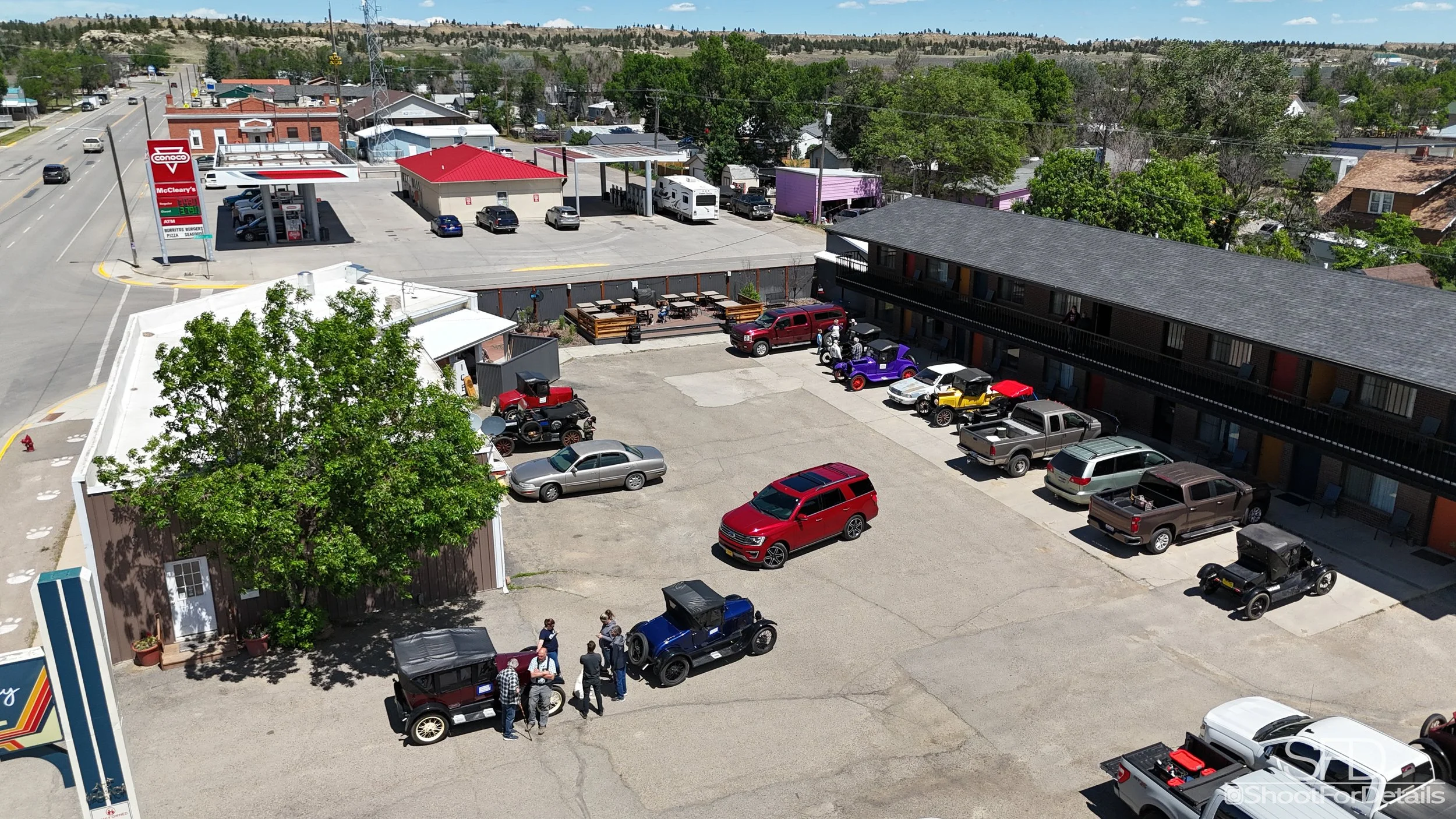
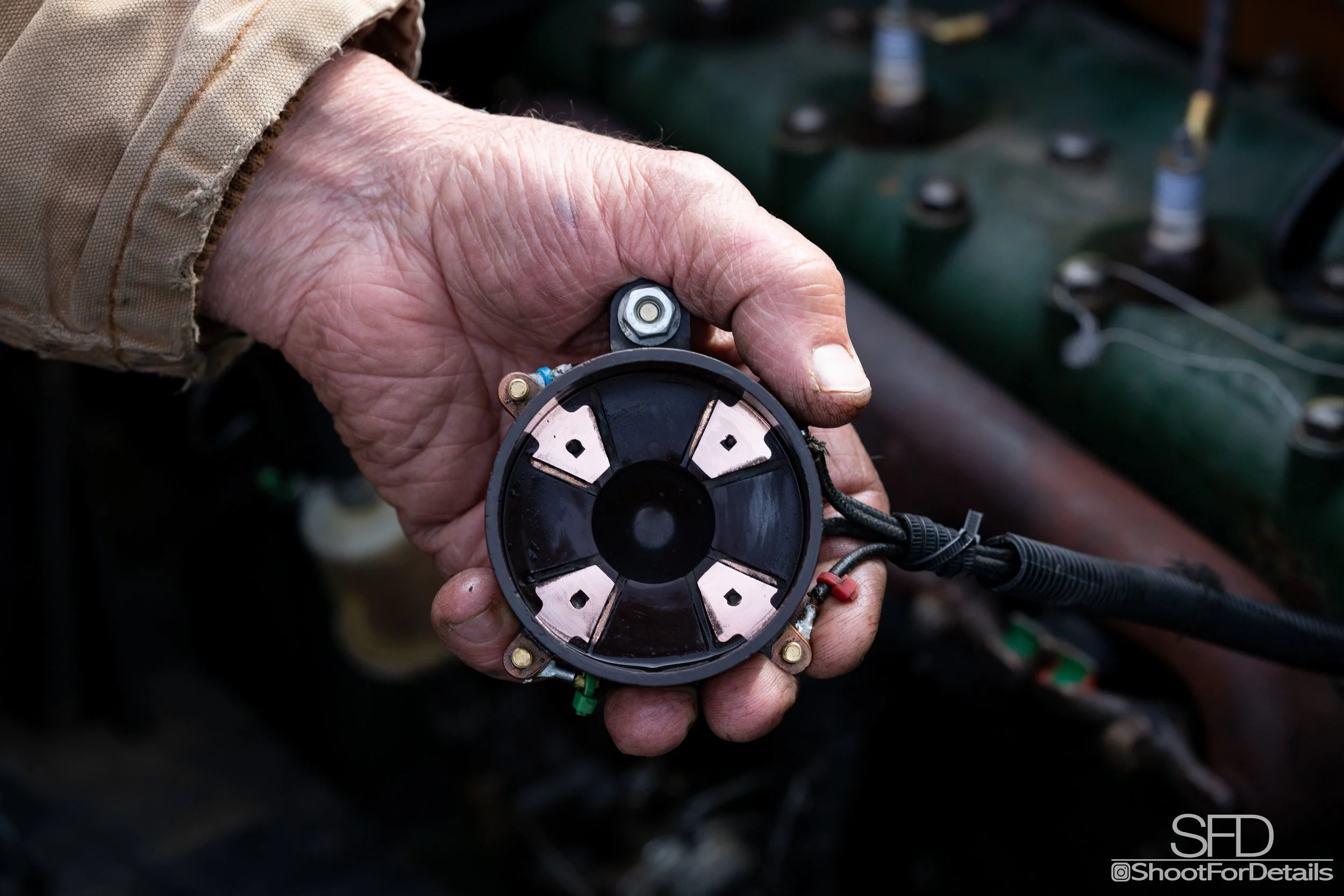
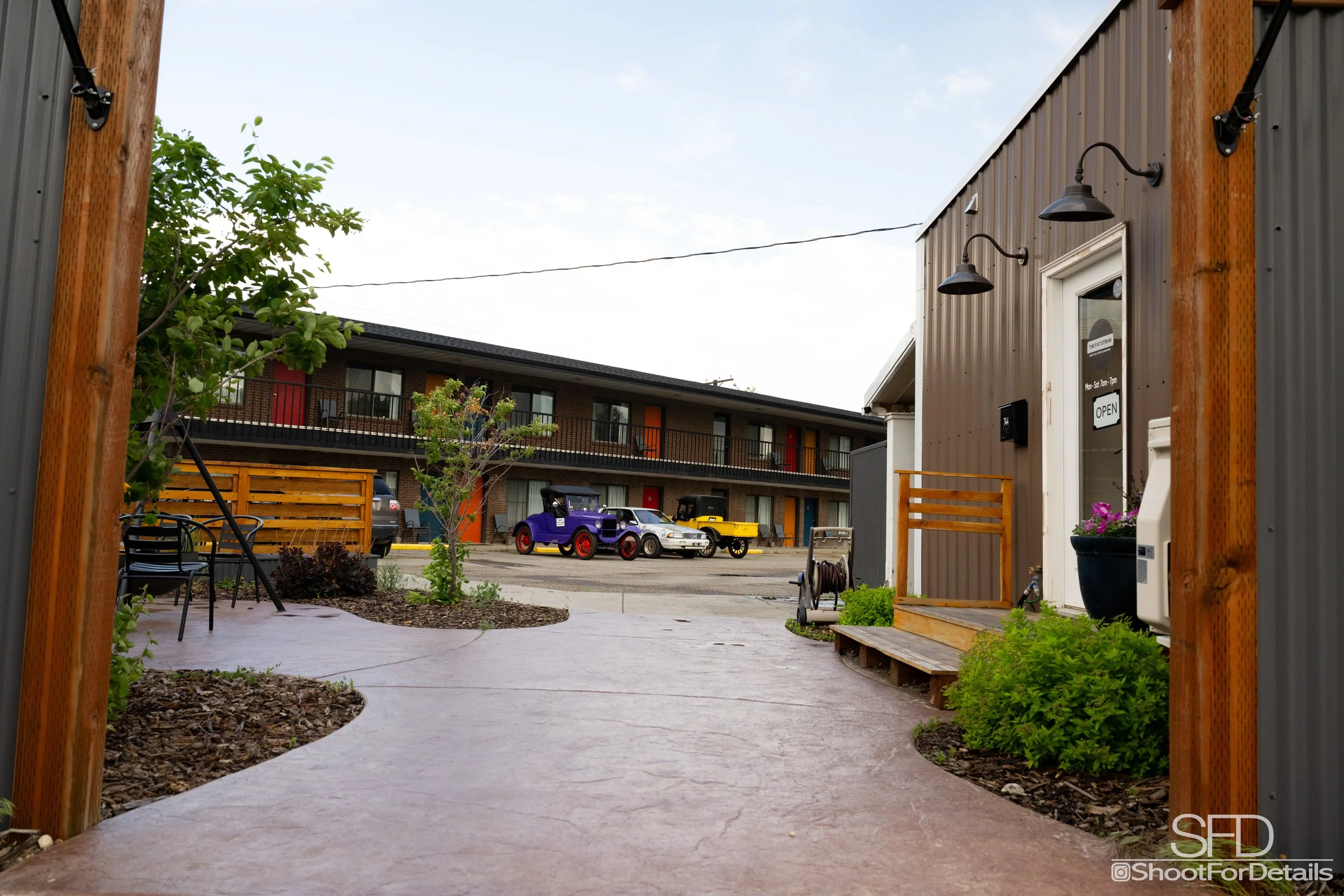
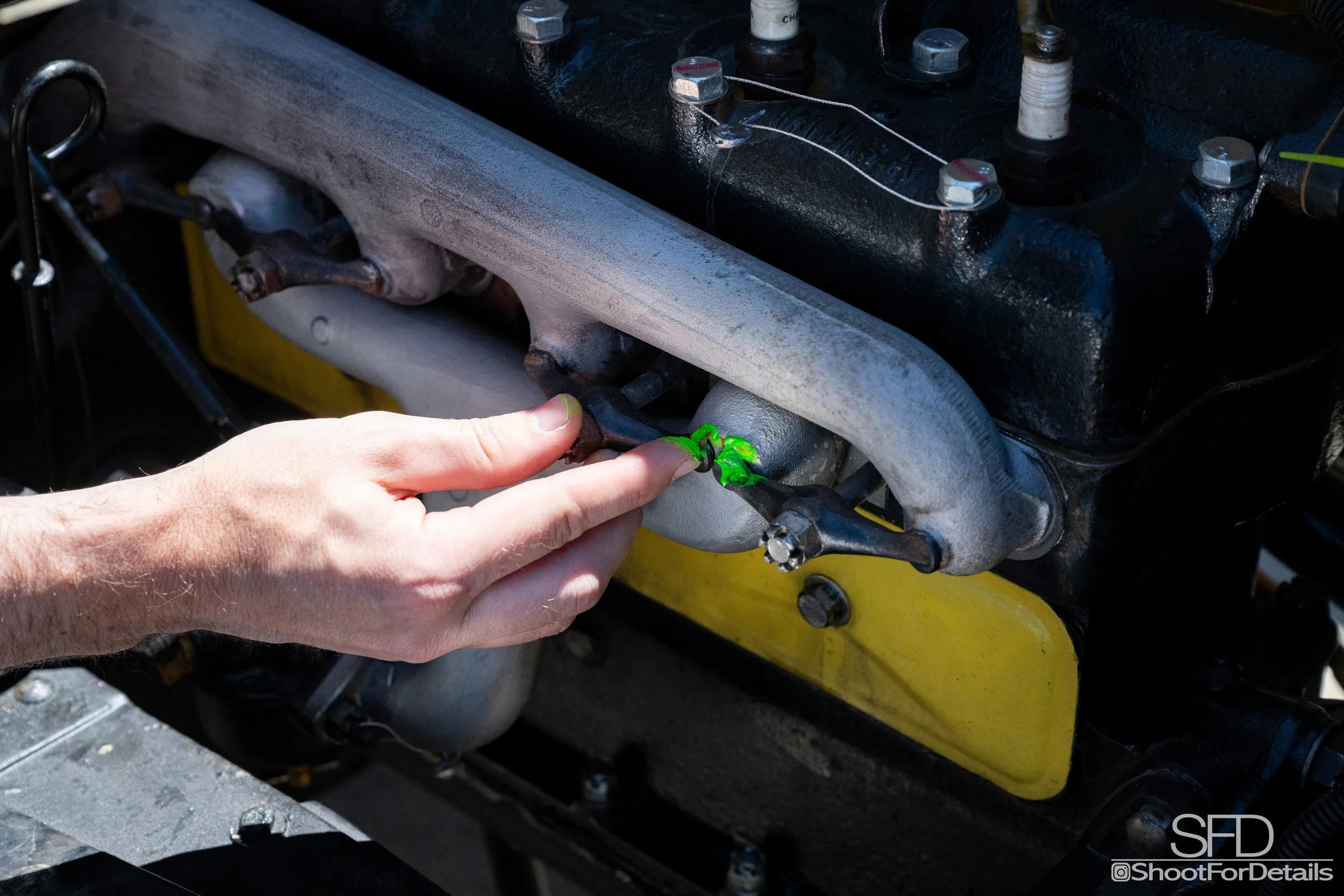
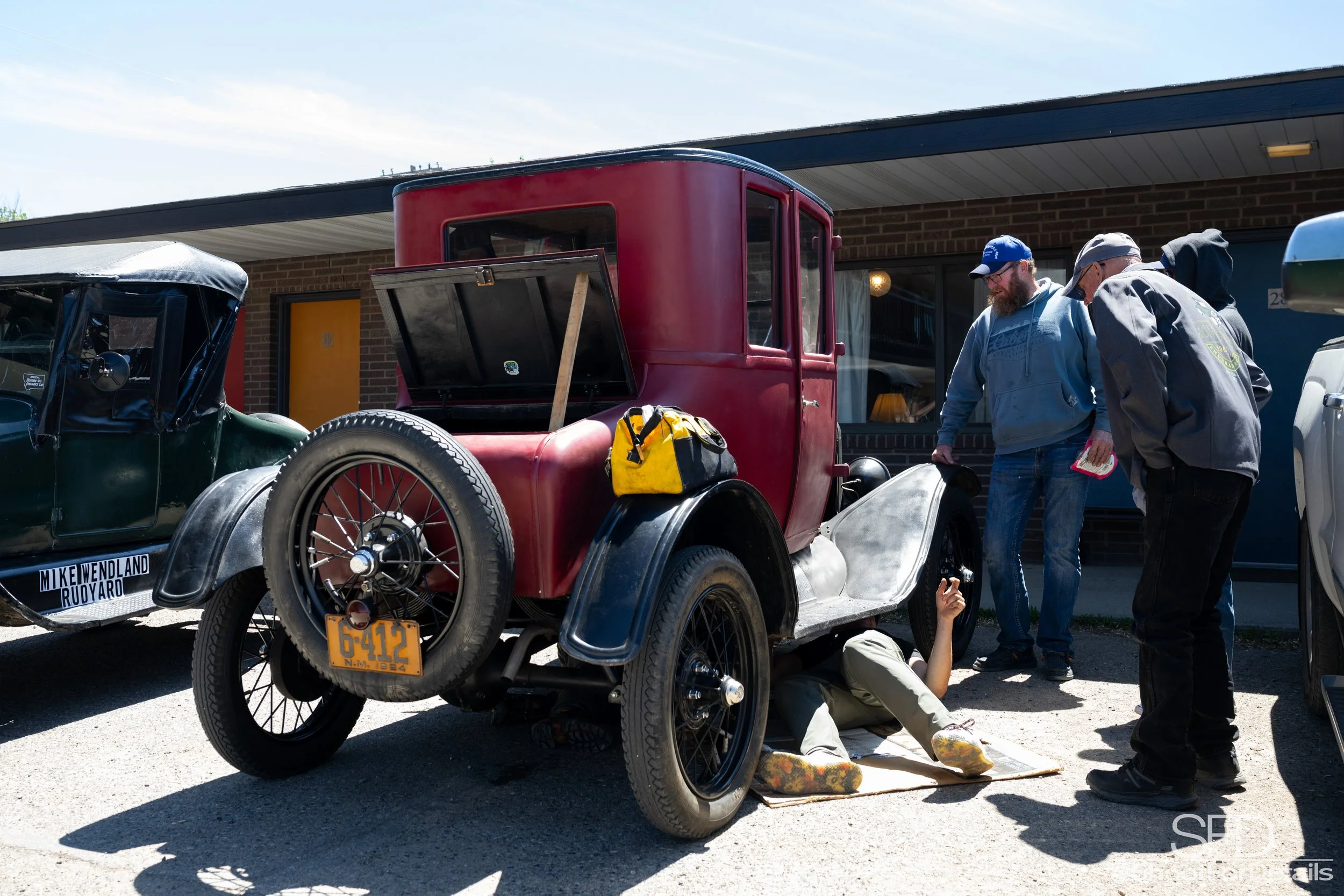
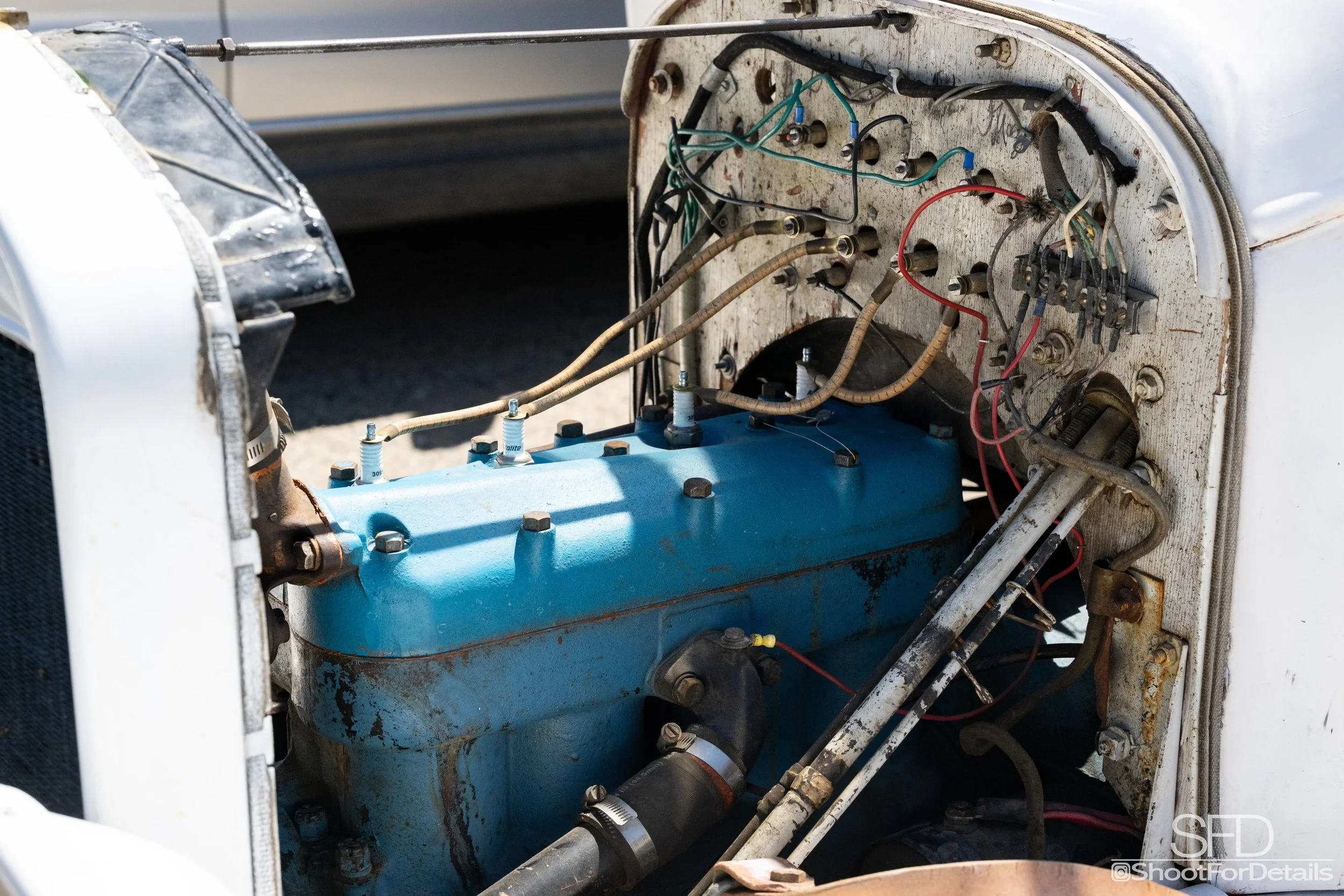
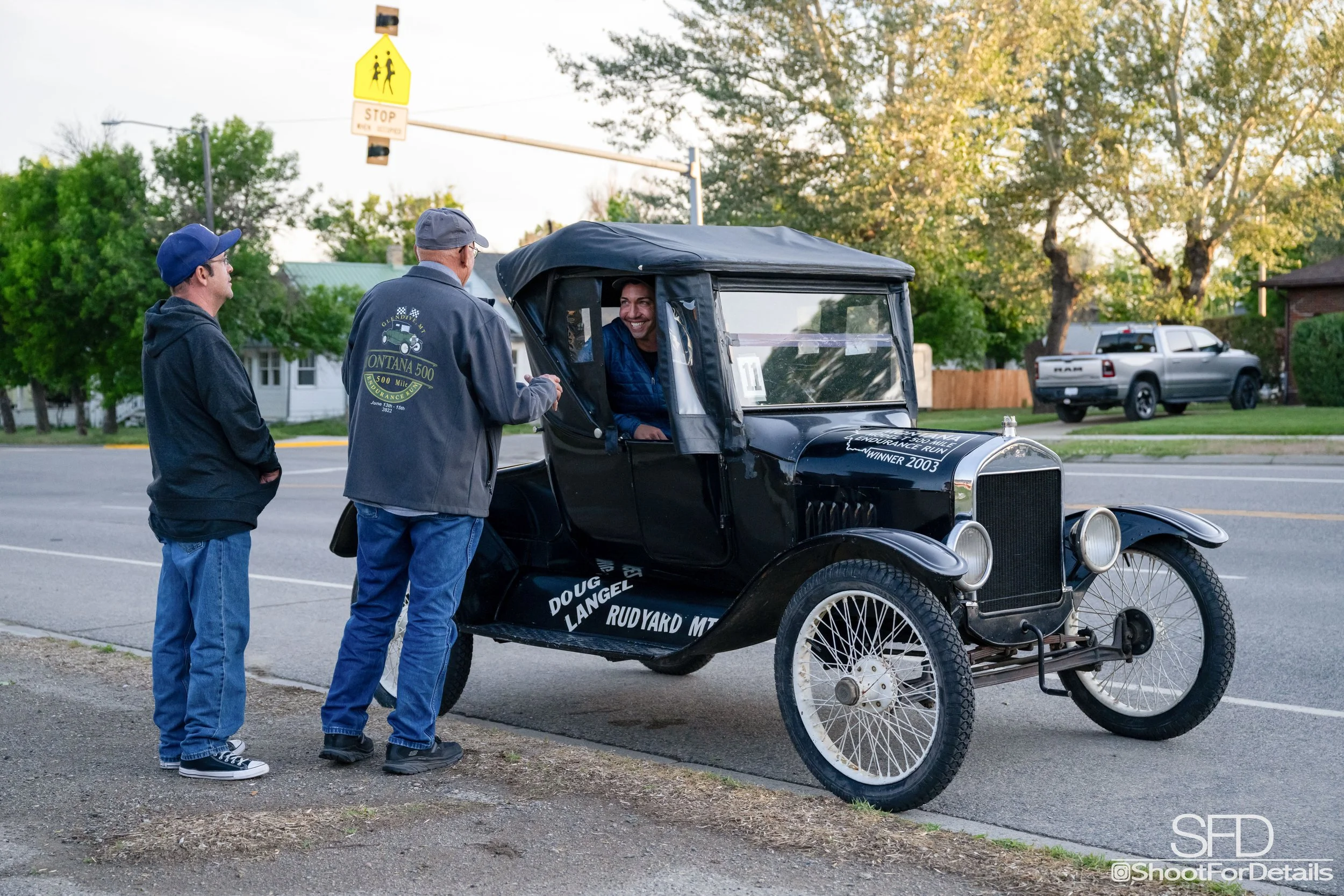
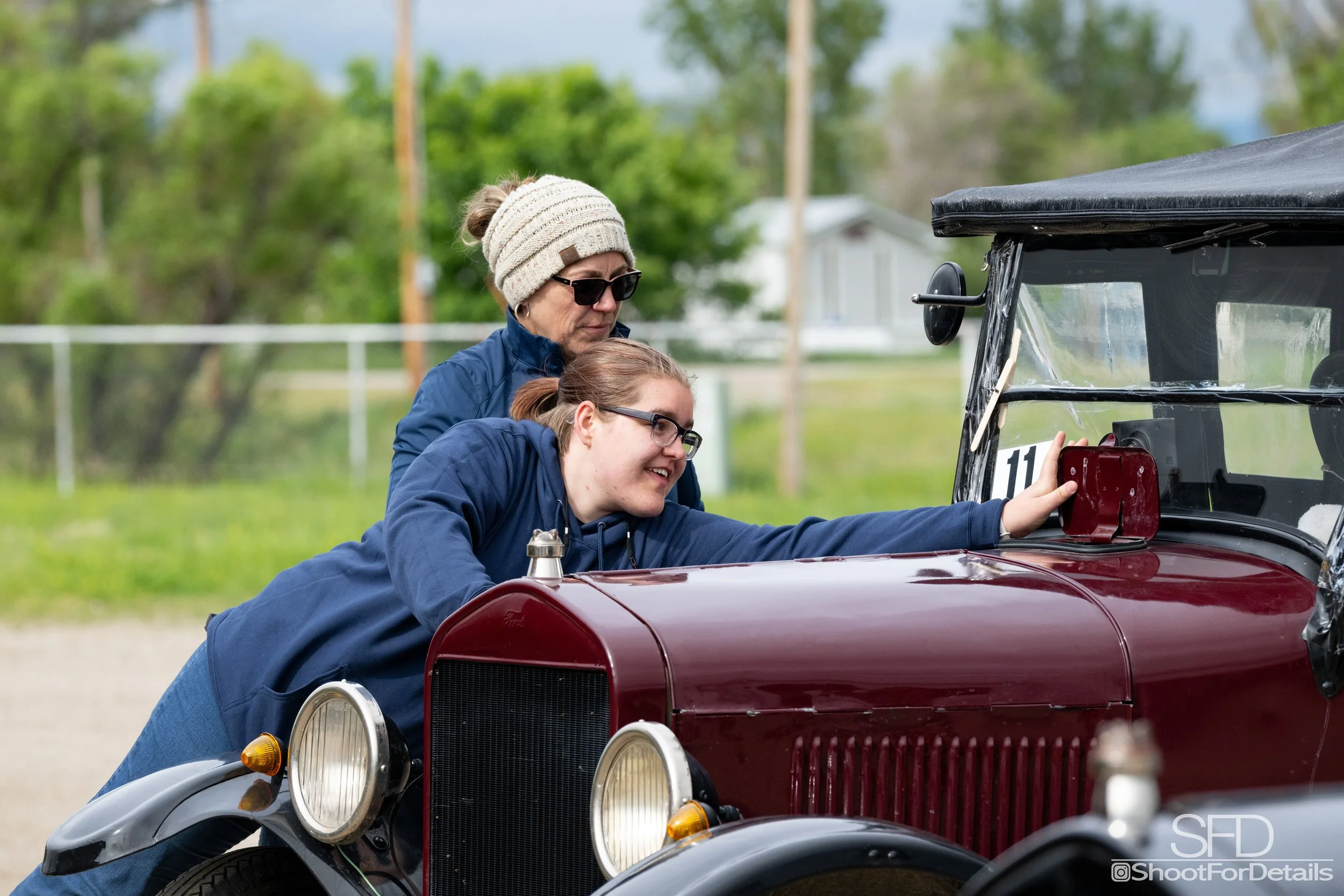
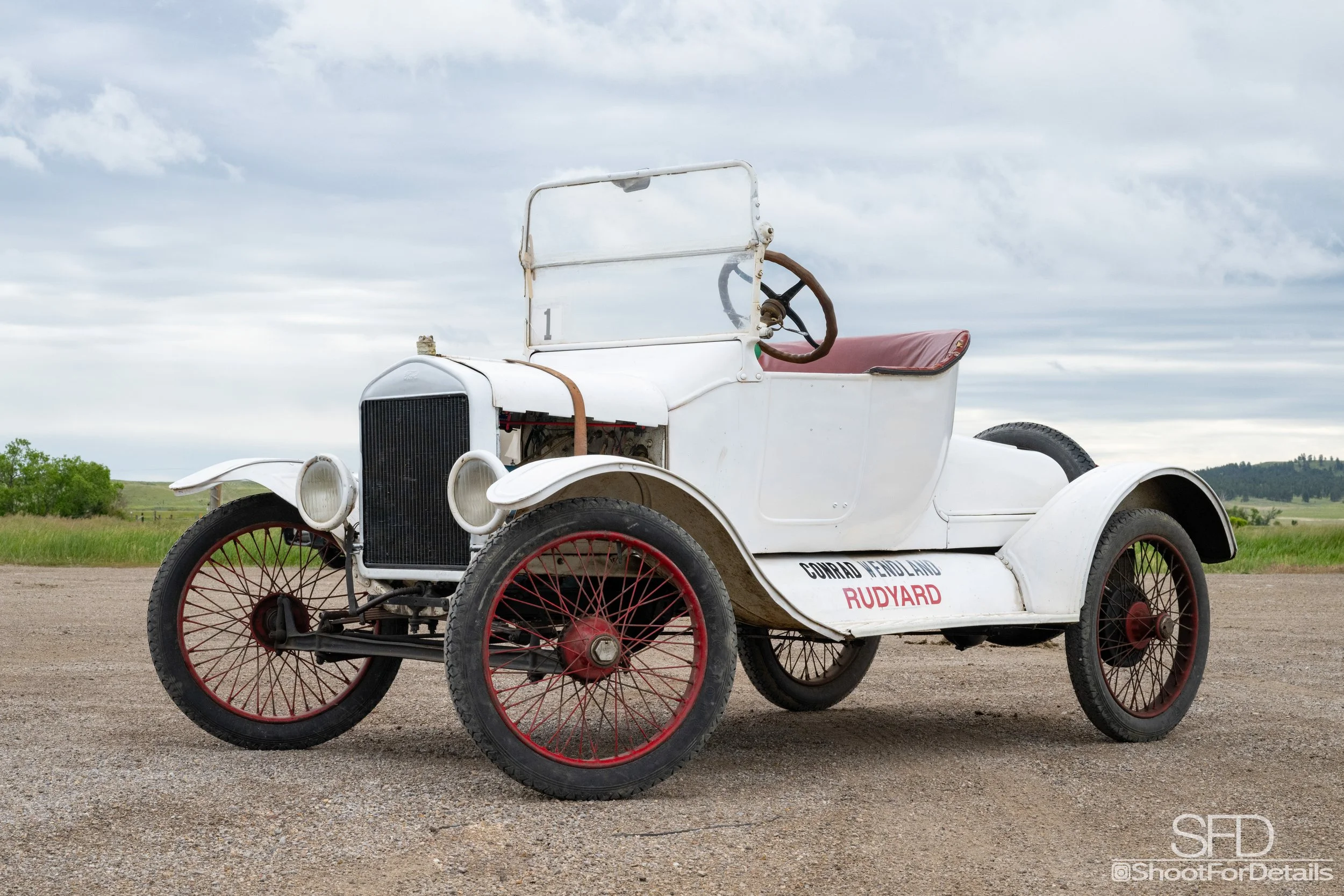
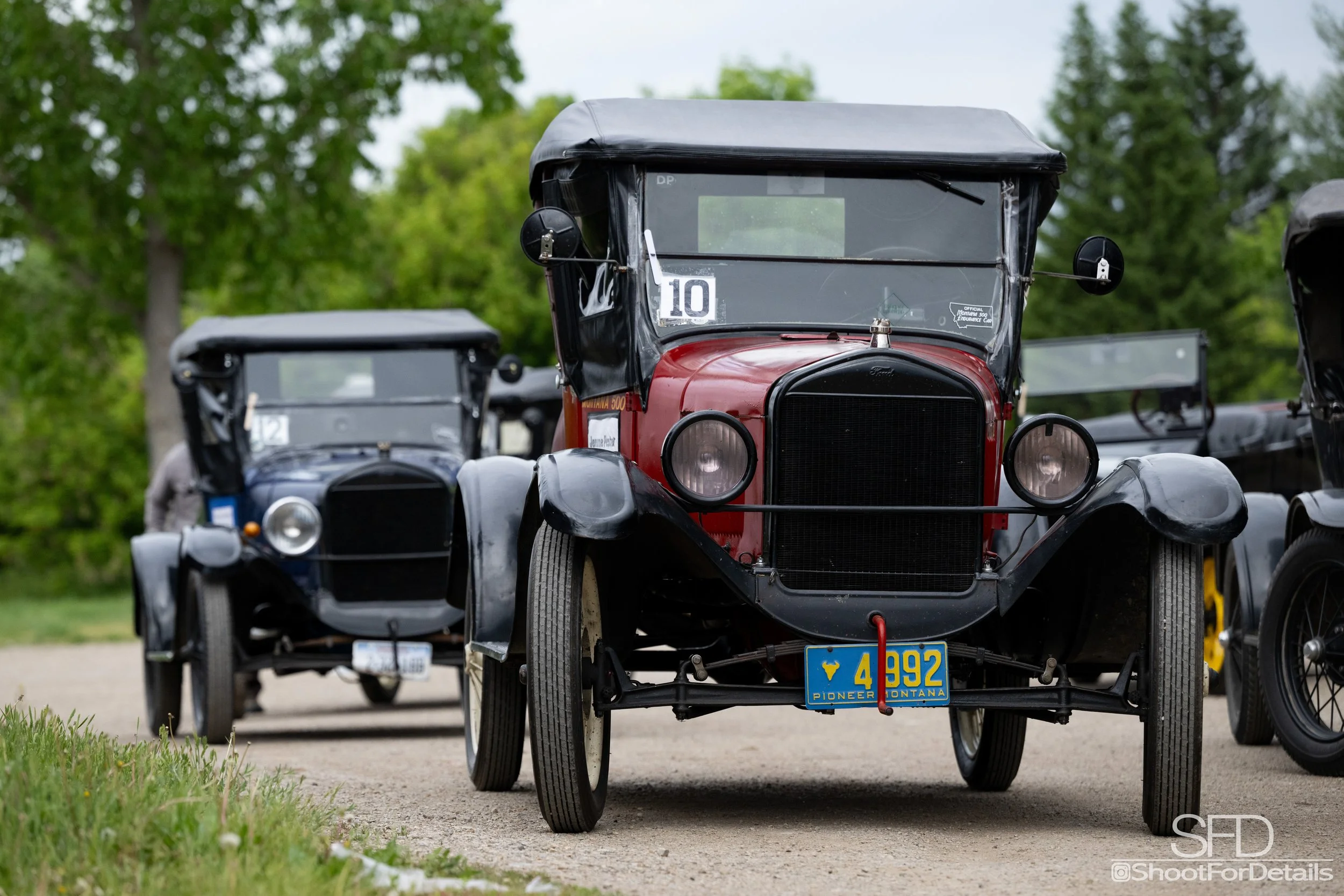
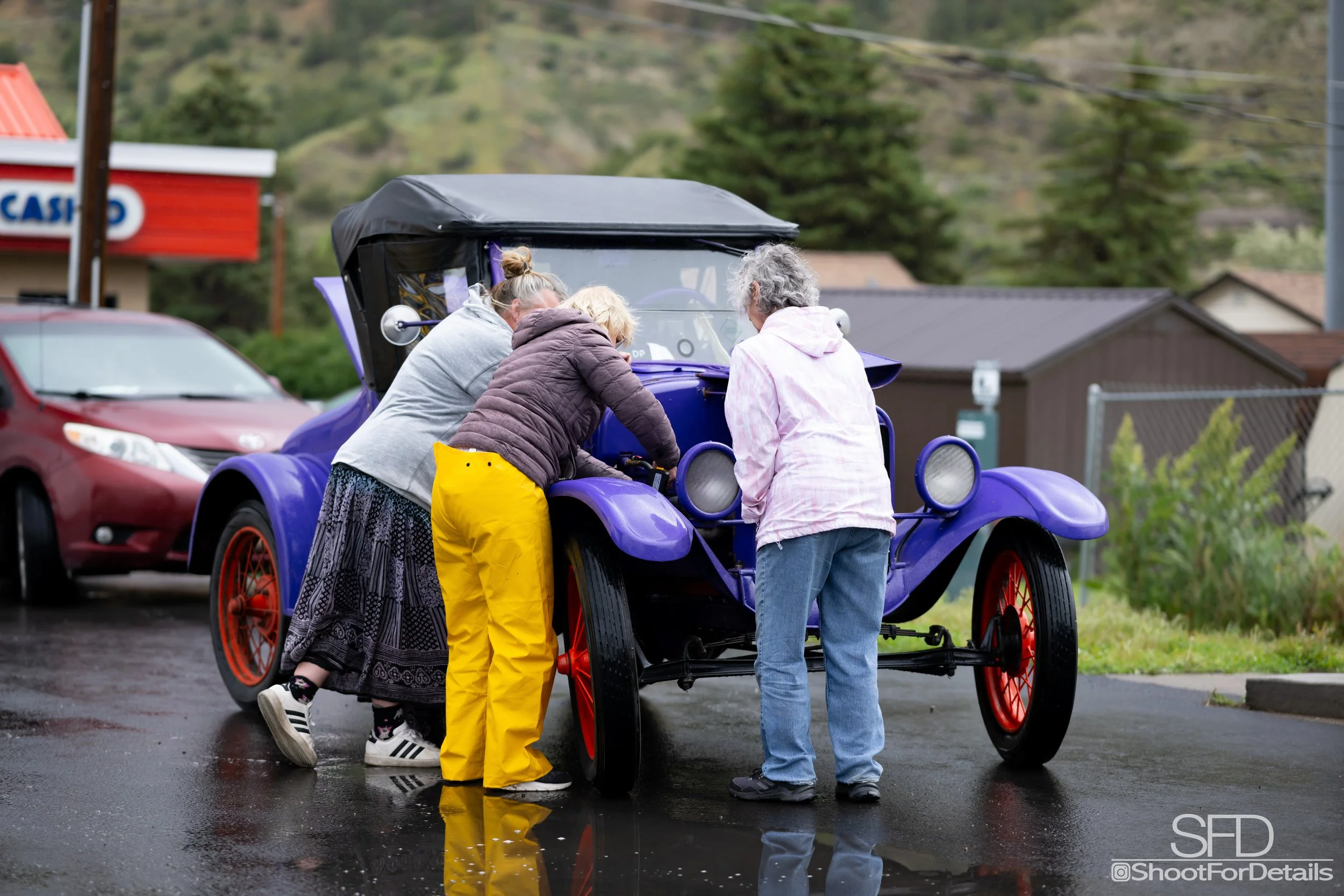
We checked into the Ideal Motel, which was interesting in its own way and surprisingly cozy. At one point, we came across an original RadioShack sign that looked like it had never been taken down. The whole place felt frozen in time, as if nothing had changed and no one was in a hurry for it to. We pulled into the motel lot, saw a few Model Ts and small groups of people, and immediately felt drawn in. Within minutes, we were meeting participants and listening to conversations. Before long, I found myself sitting in a room where people were discussing sourcing parts, maintaining engines, and the strict rules that define this event. Modern modifications are not allowed. Everything must remain true to how these cars were originally built, and they take that seriously. To make sure no one swaps parts during the event, Kyle applied neon green paint to key bolts. At the end of the rally, engines are torn down, and if the paint is broken or missing, it tells the whole story. From the outside, it may look relaxed, but this is not a casual event.
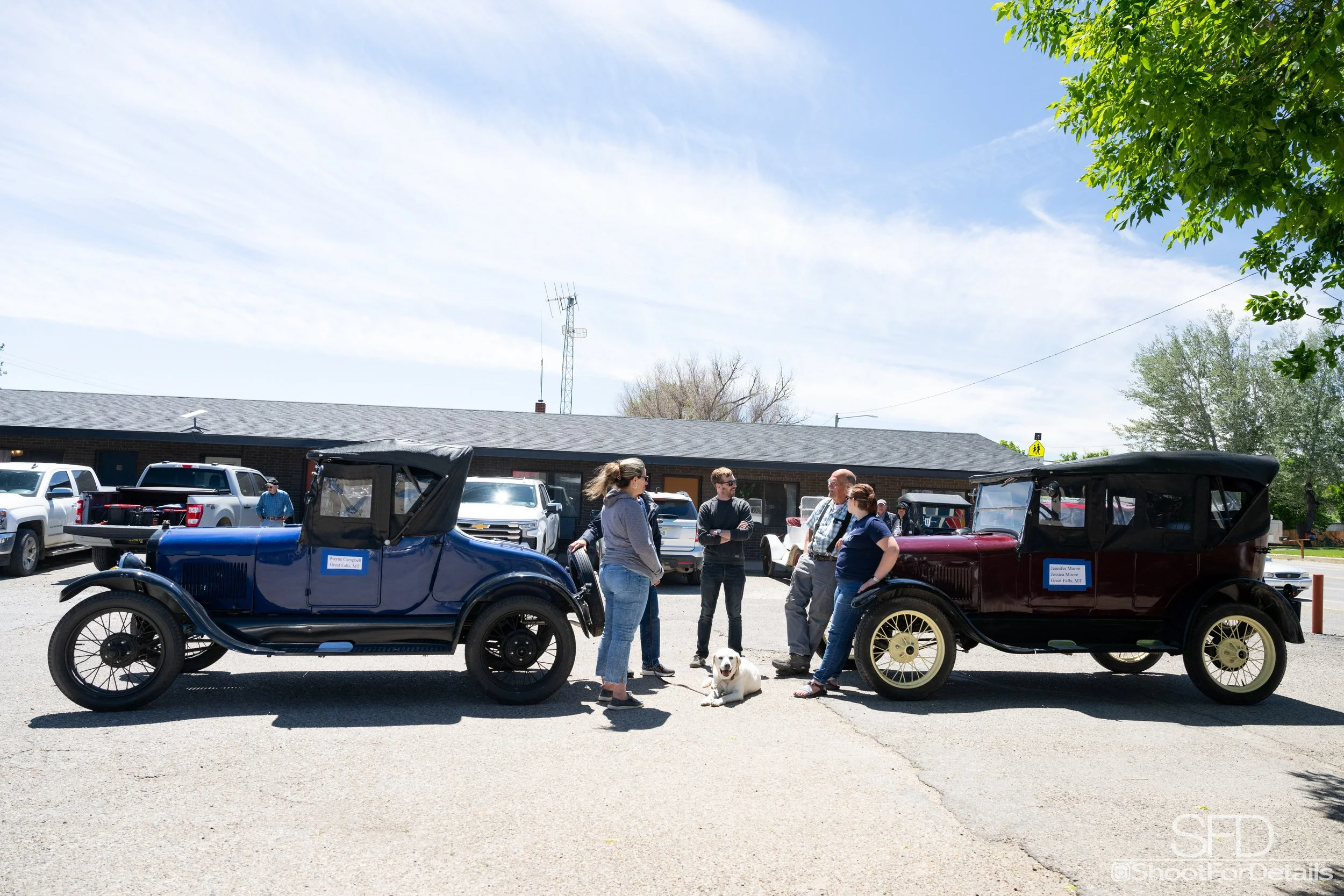
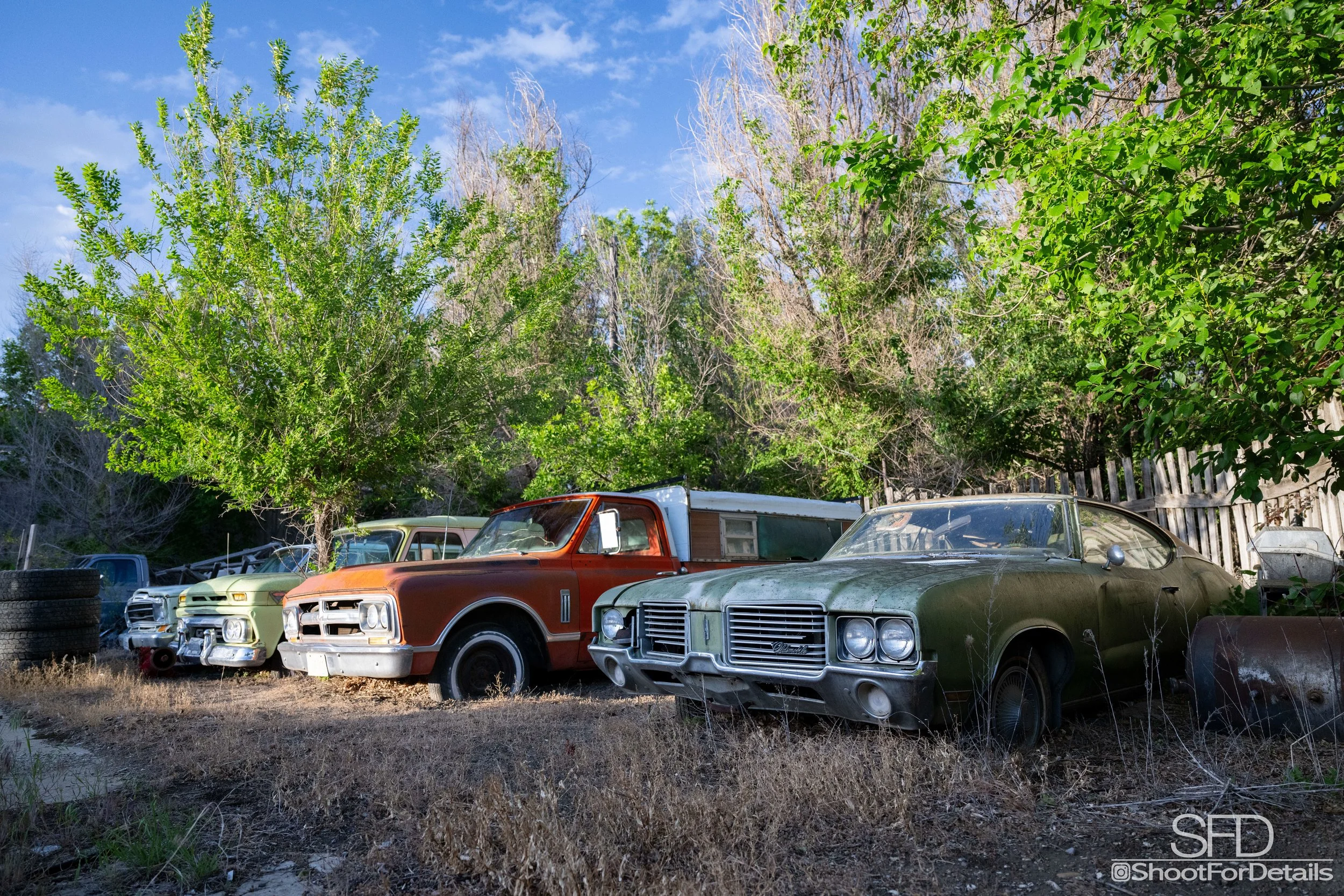
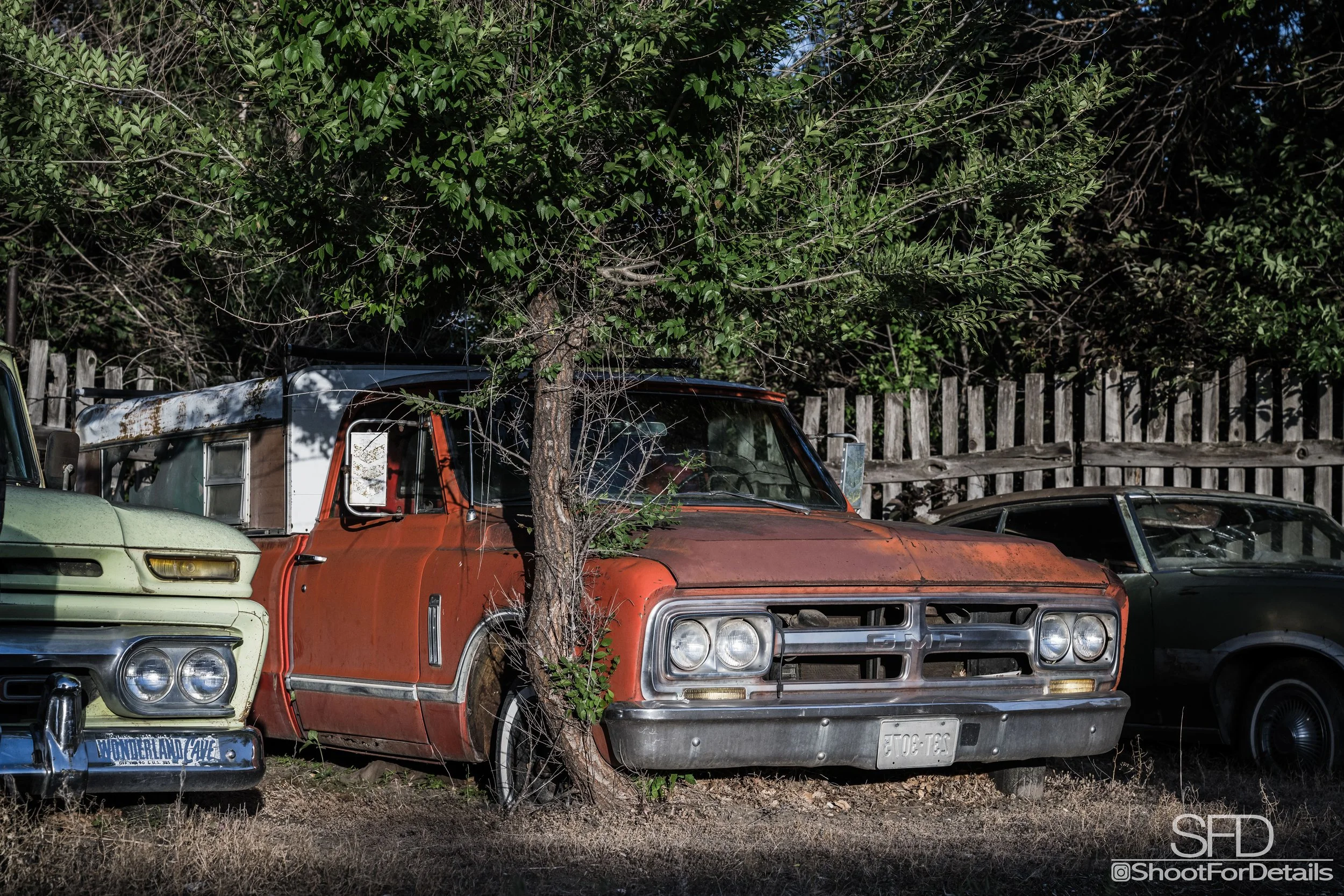
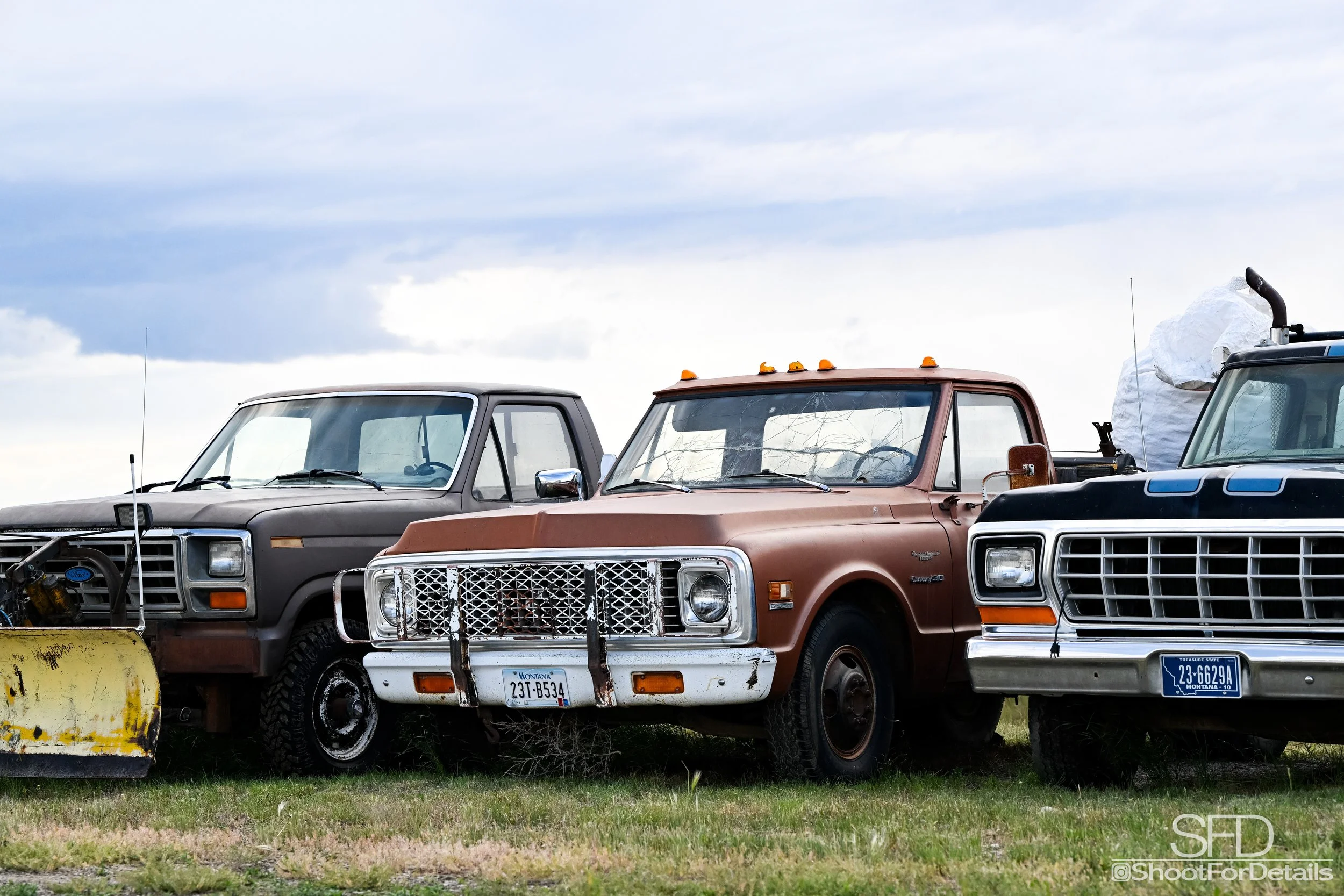
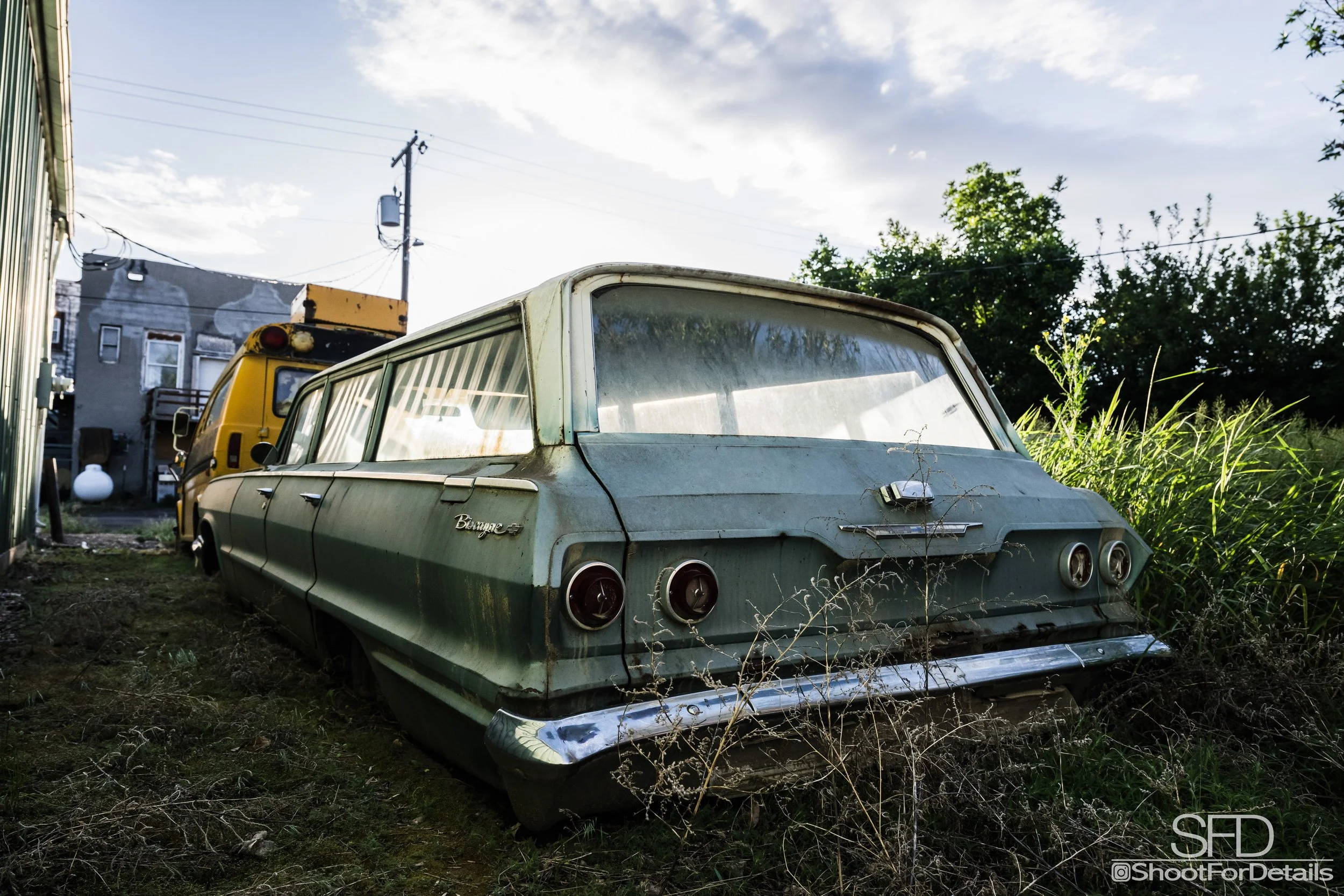
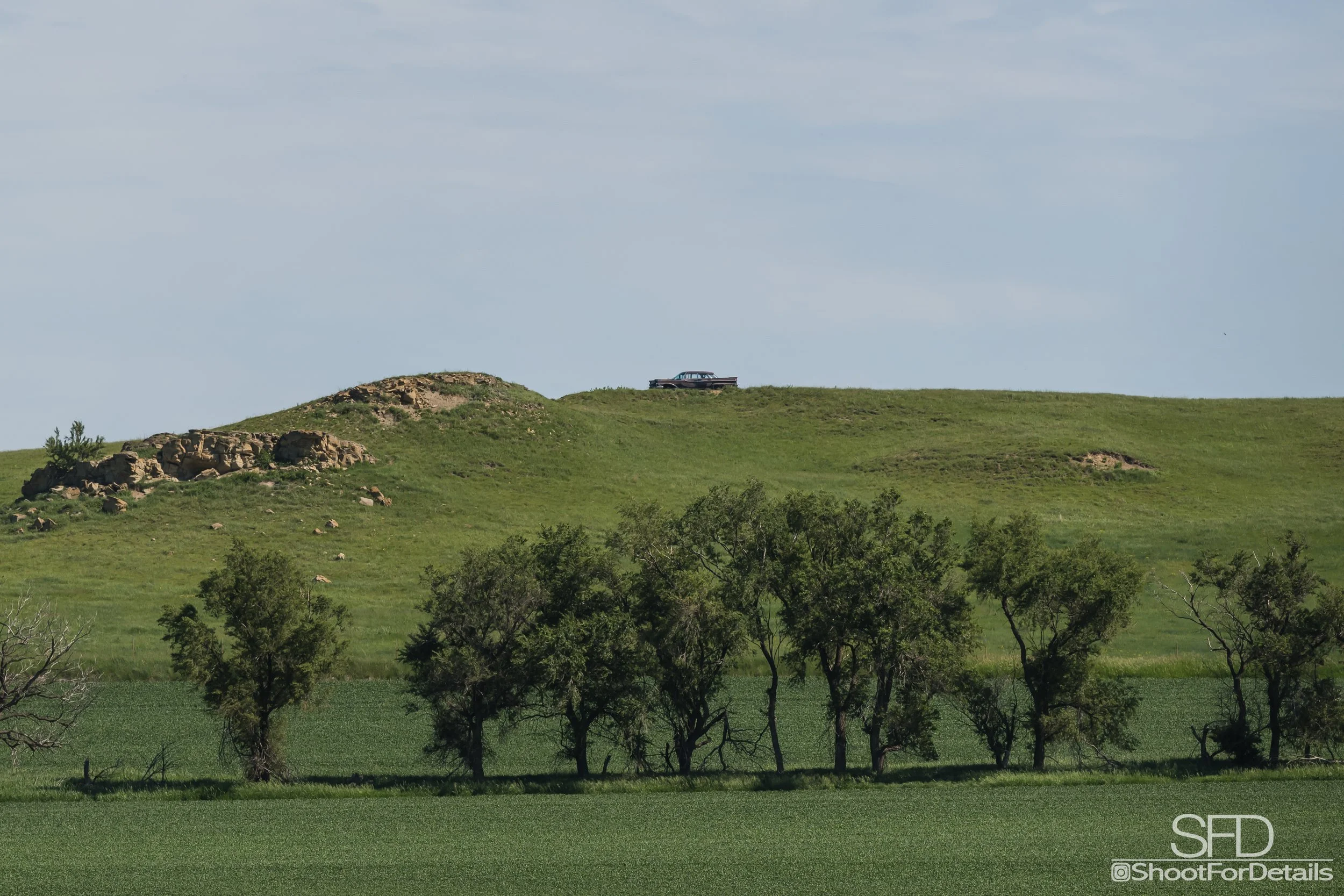
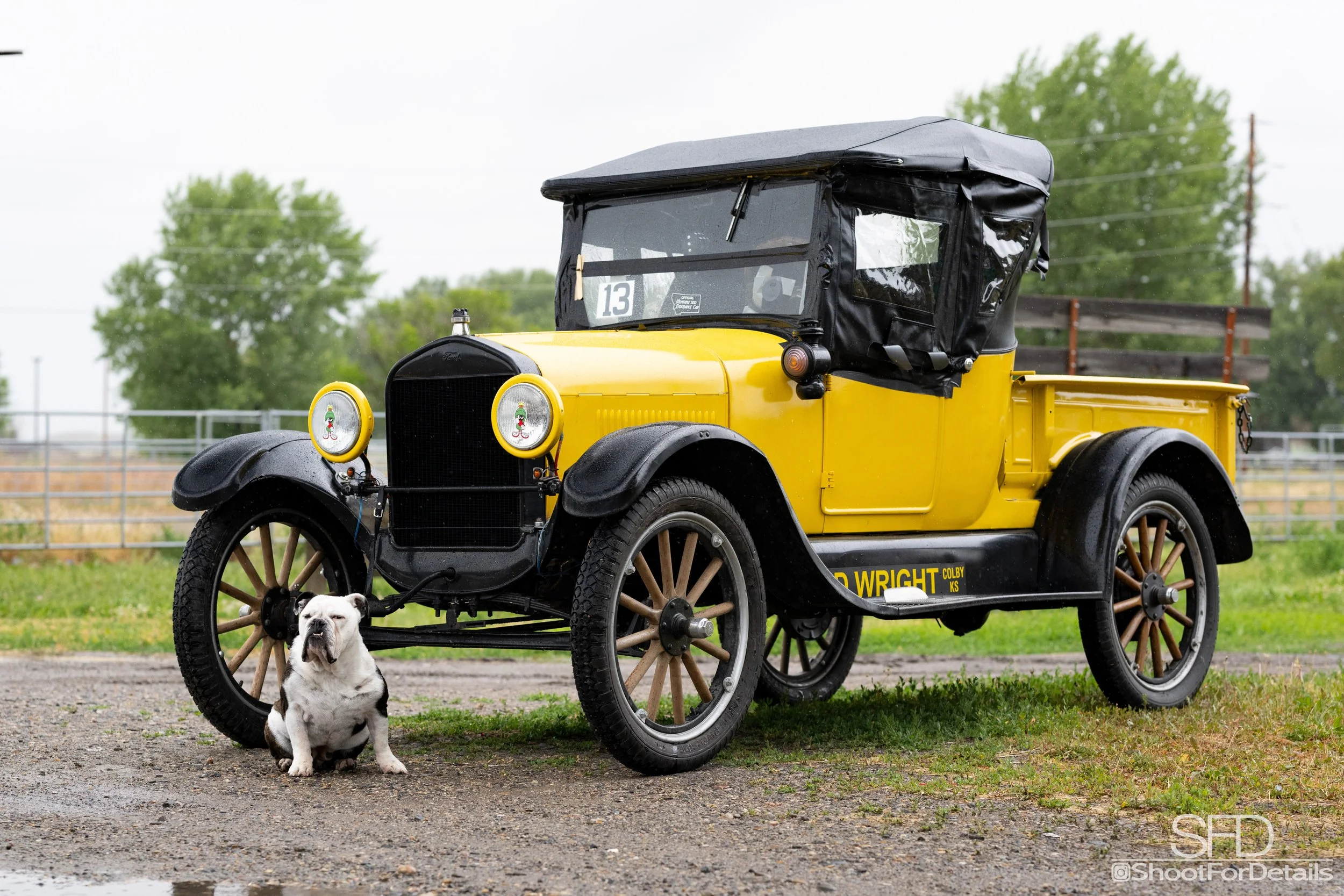
Outside, I kept noticing old trucks scattered around town. They were covered in surface rust and looked like they had been part of the landscape longer than anything else. I began asking locals and drivers about them, and the answers were always similar. The trucks had been in their families for generations. There was no interest in selling them and no desire to restore them. They belonged right where they were, and that was enough. That mindset started to mirror everything else I was seeing.
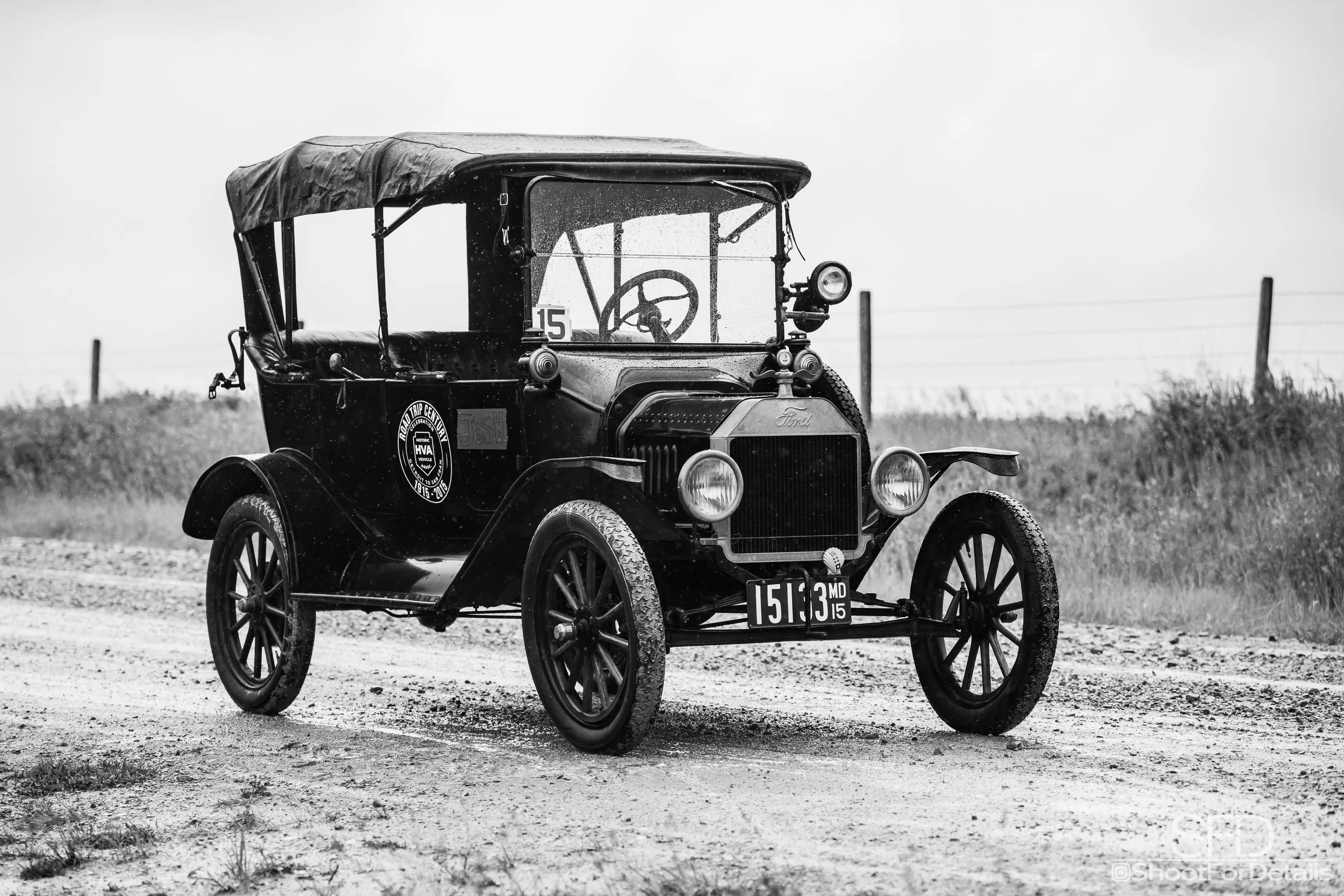
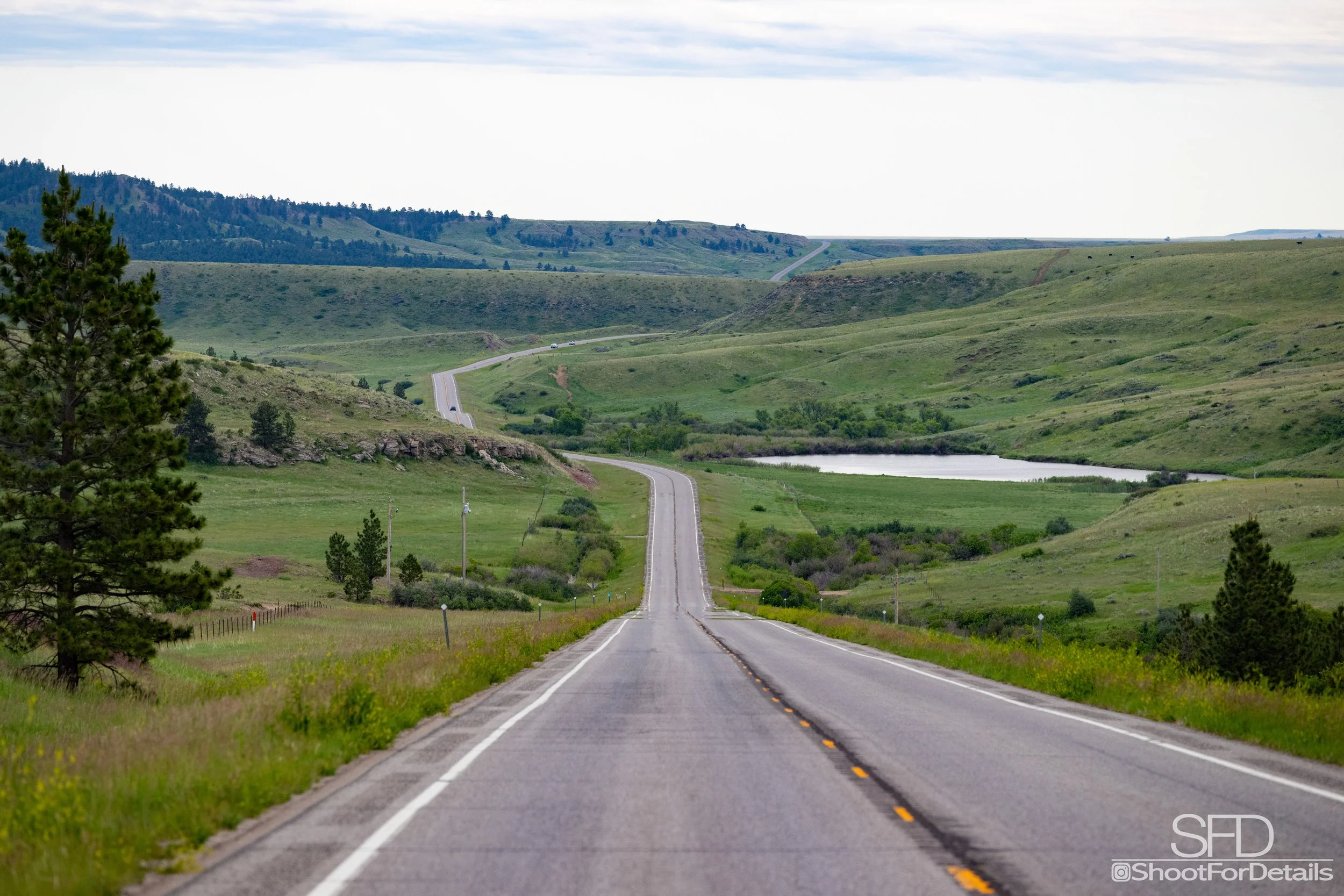
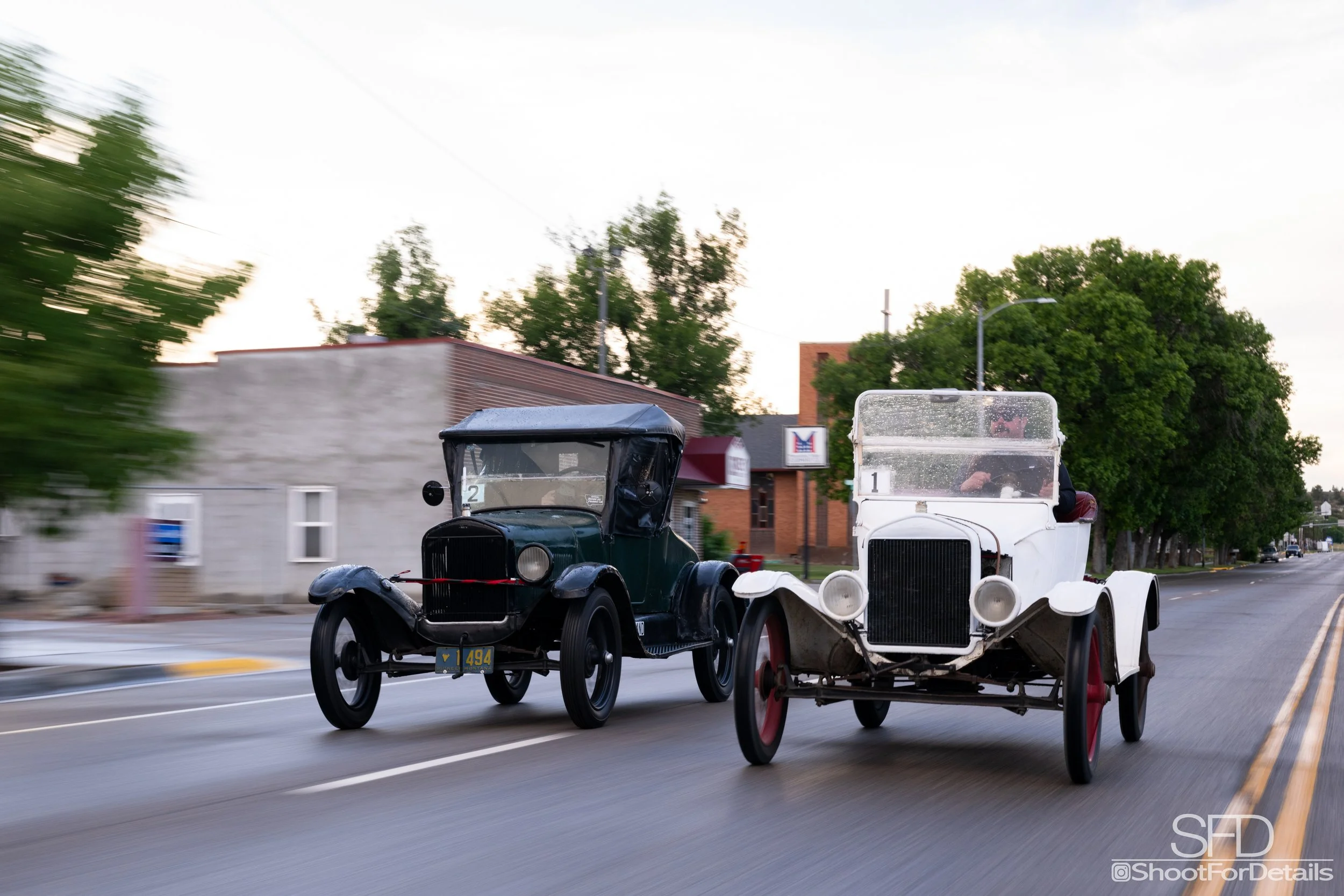
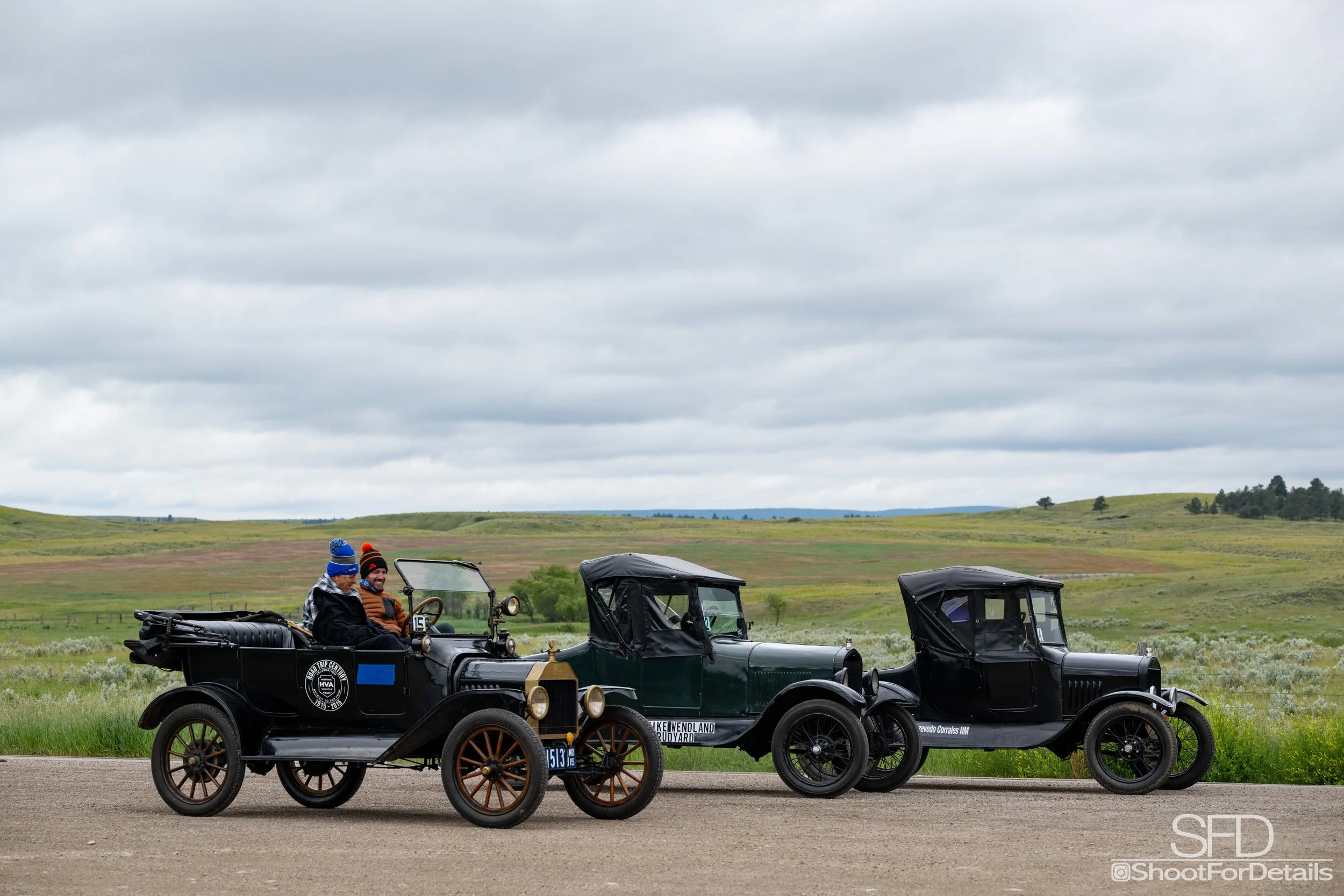
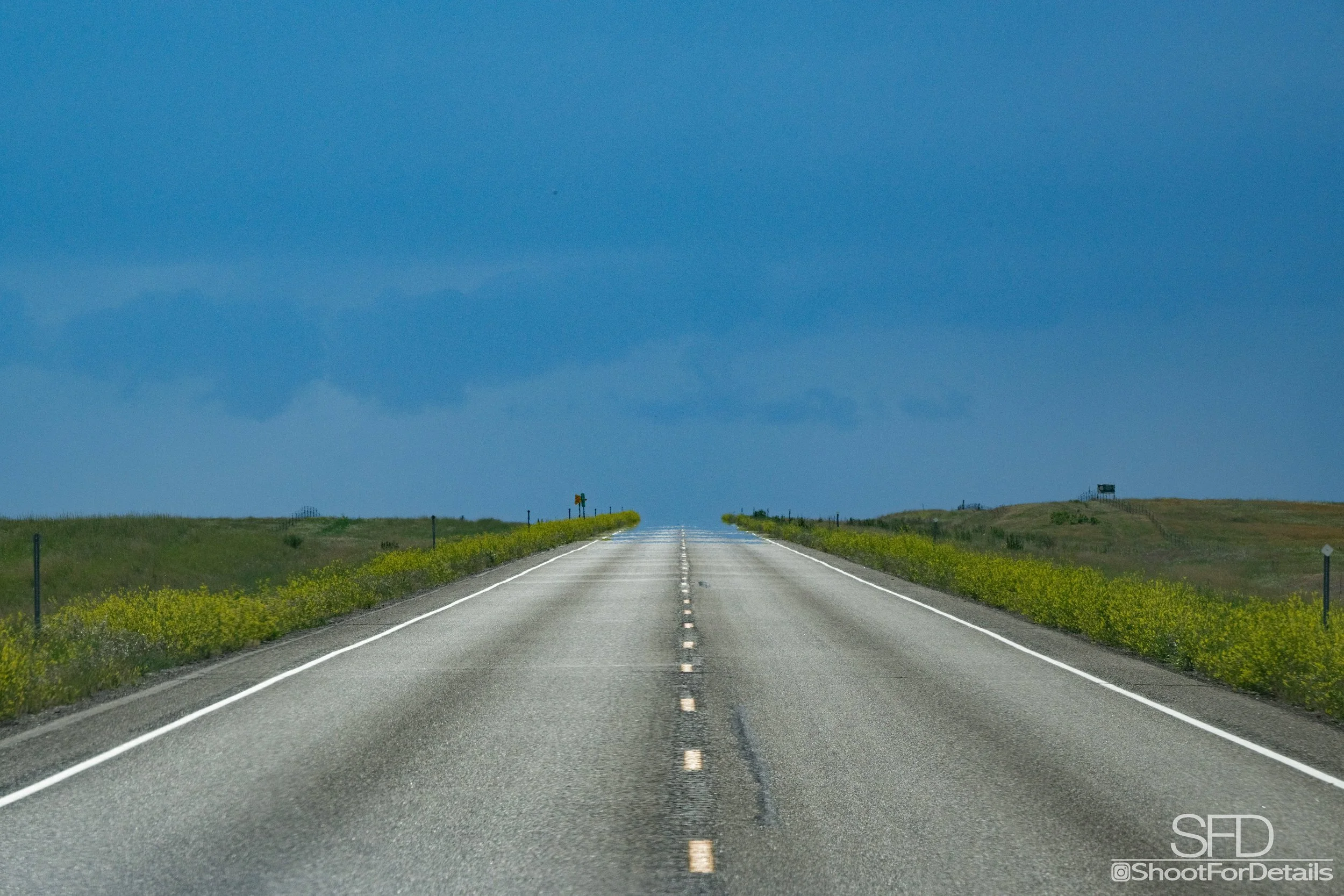
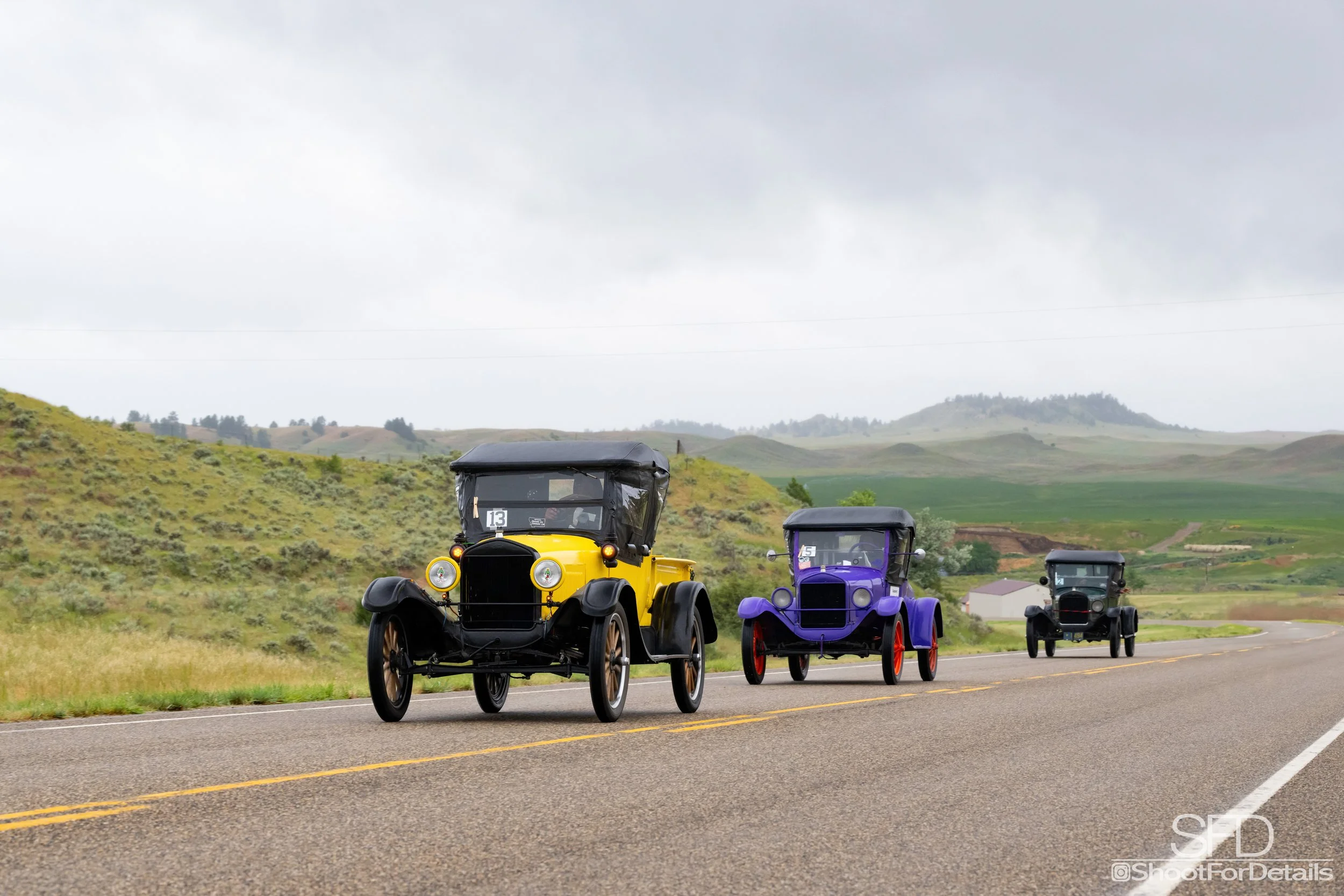
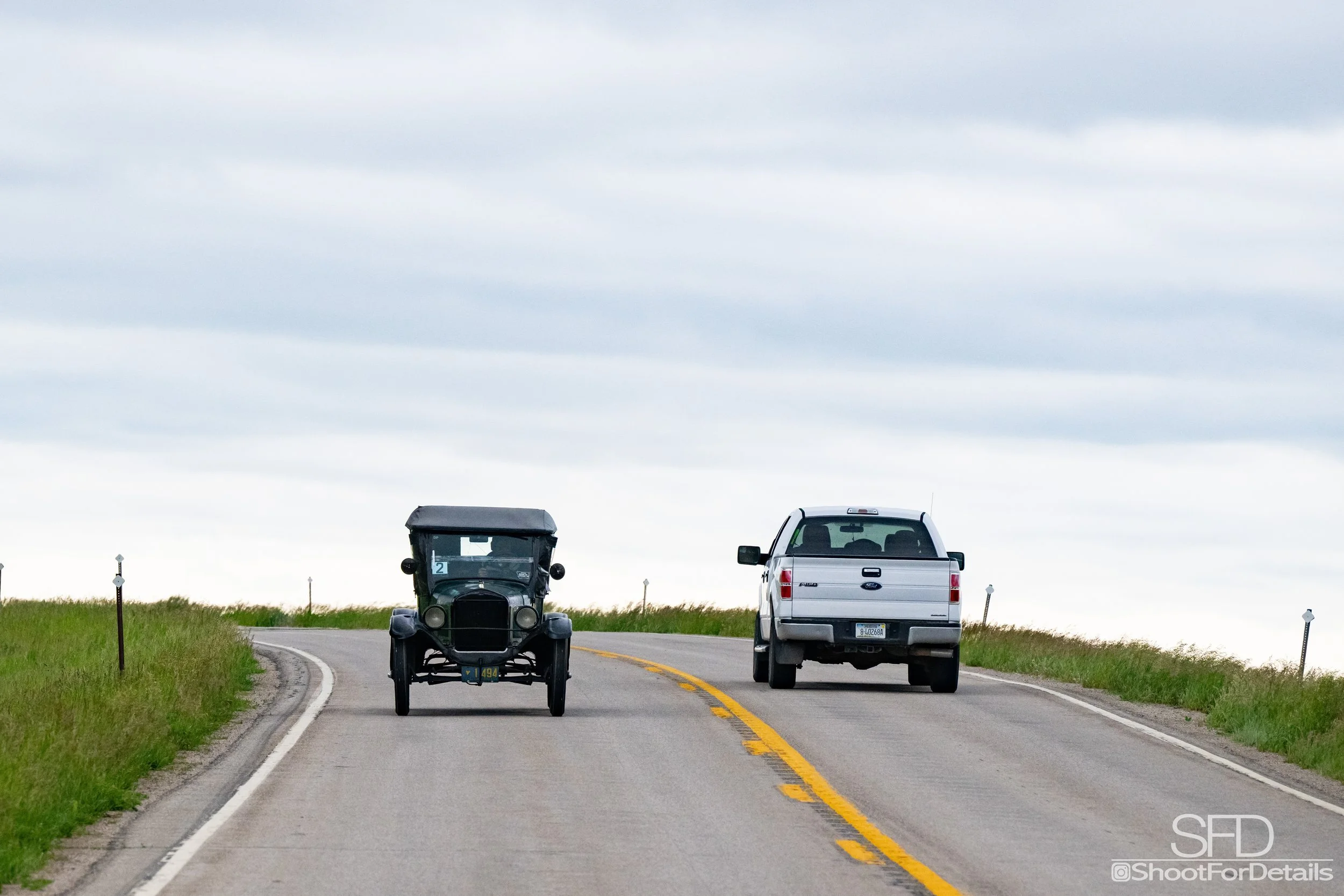
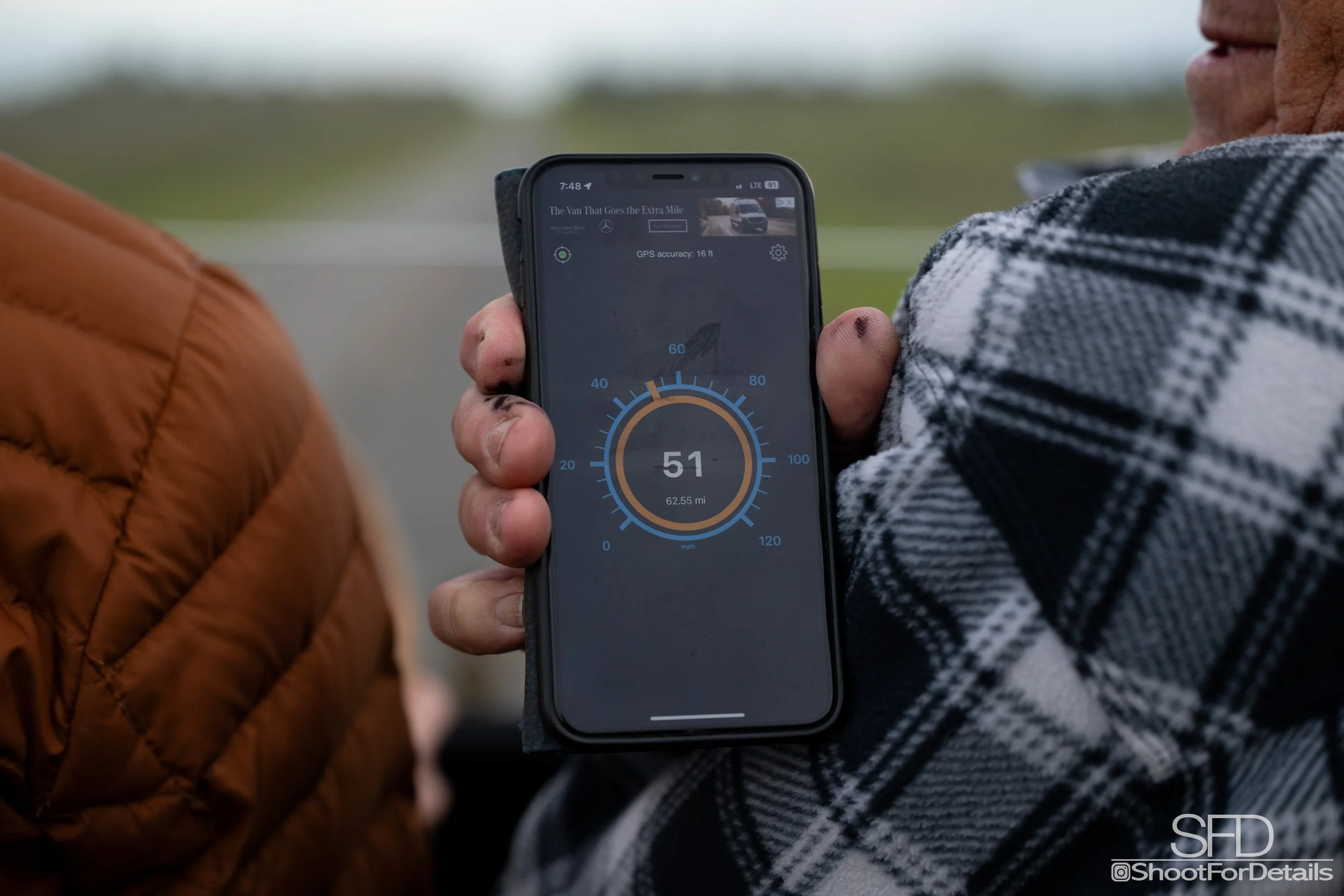
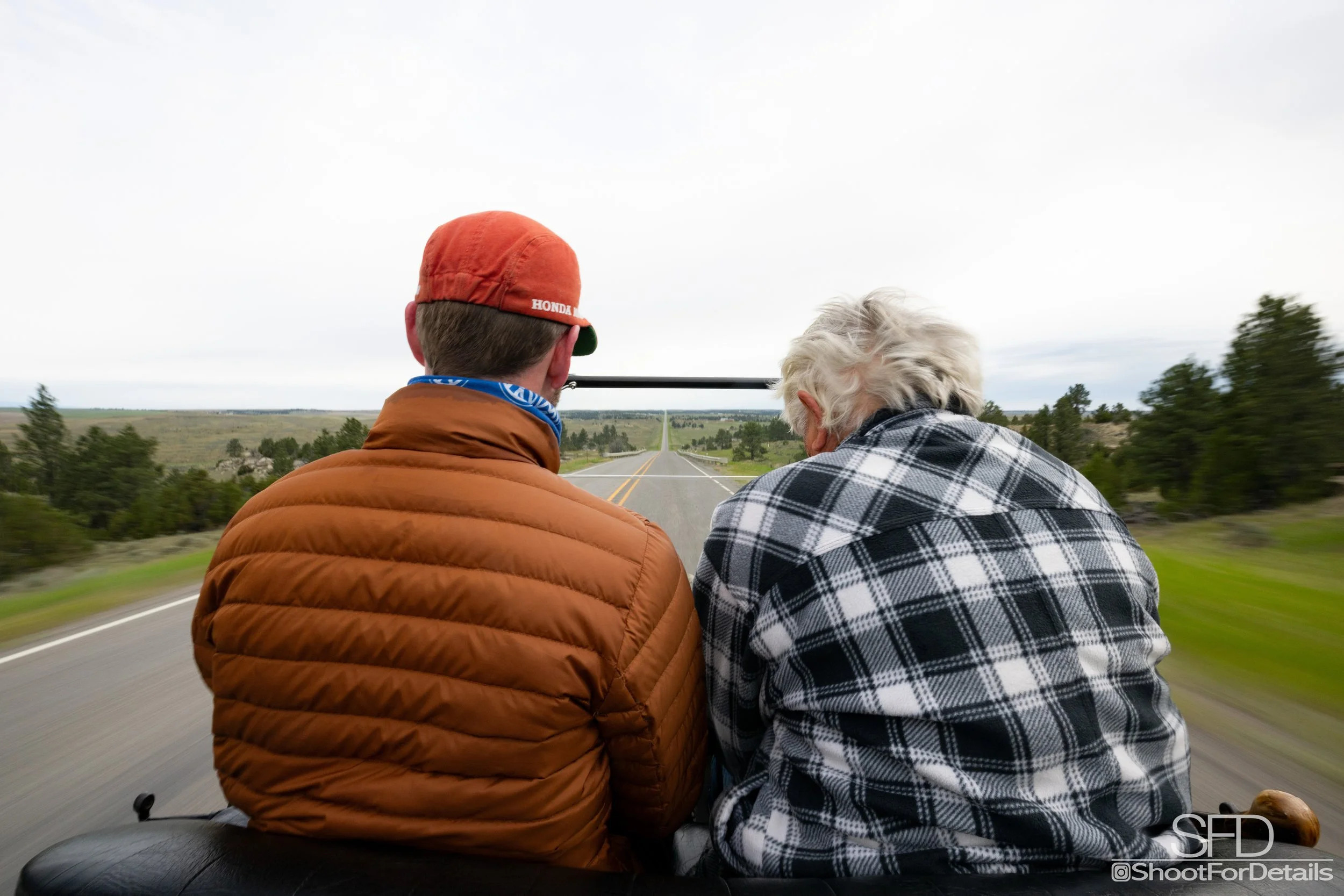
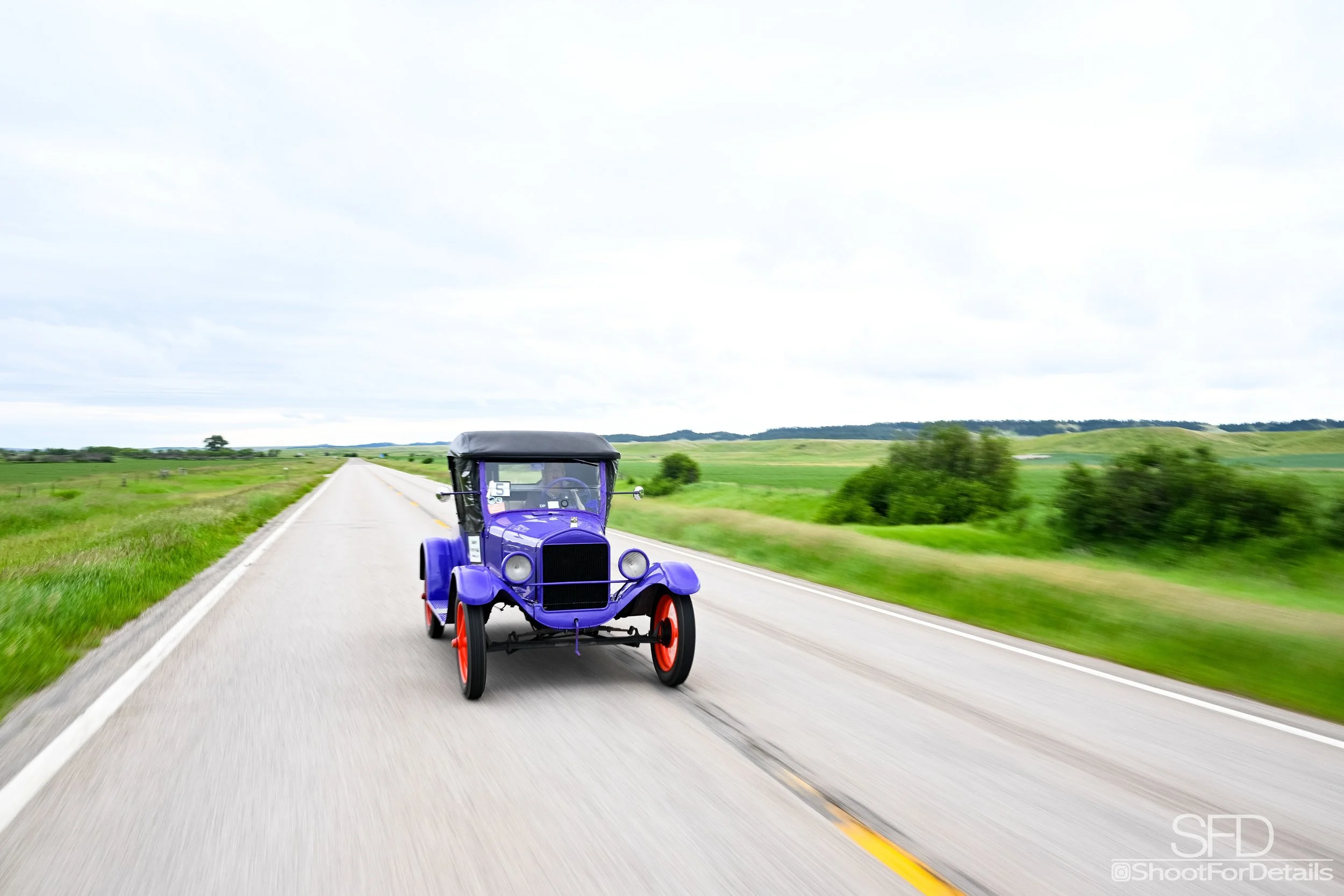
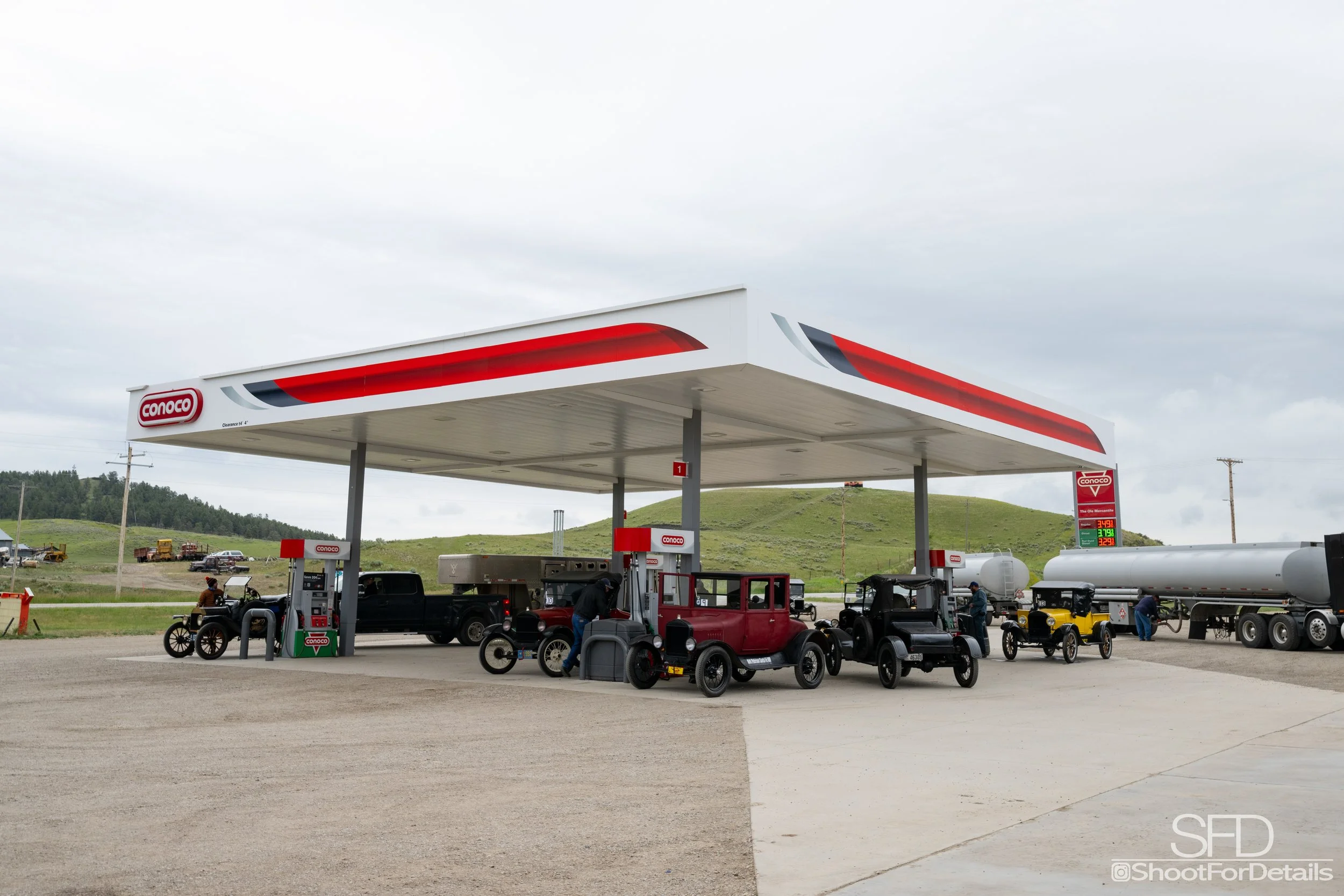
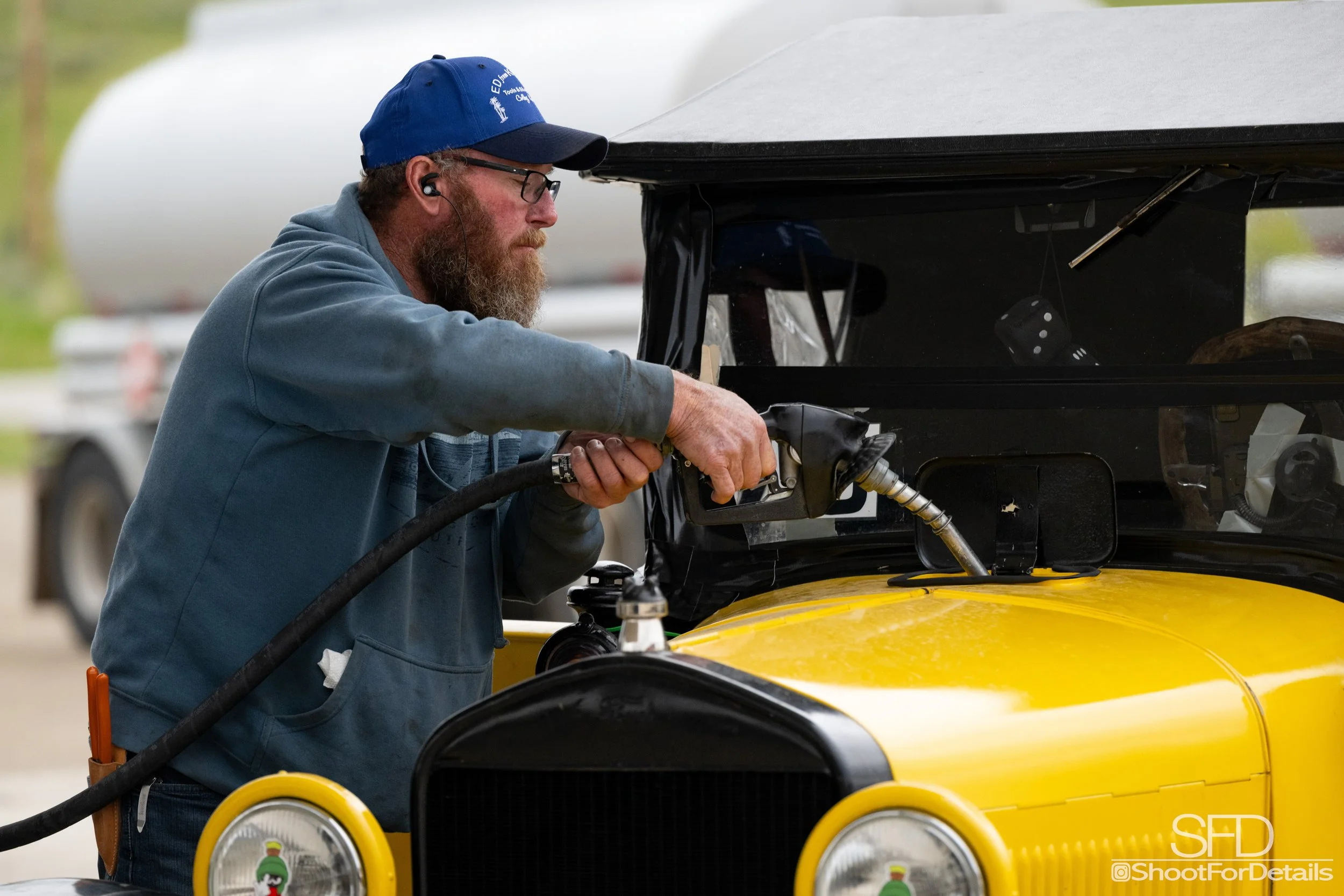
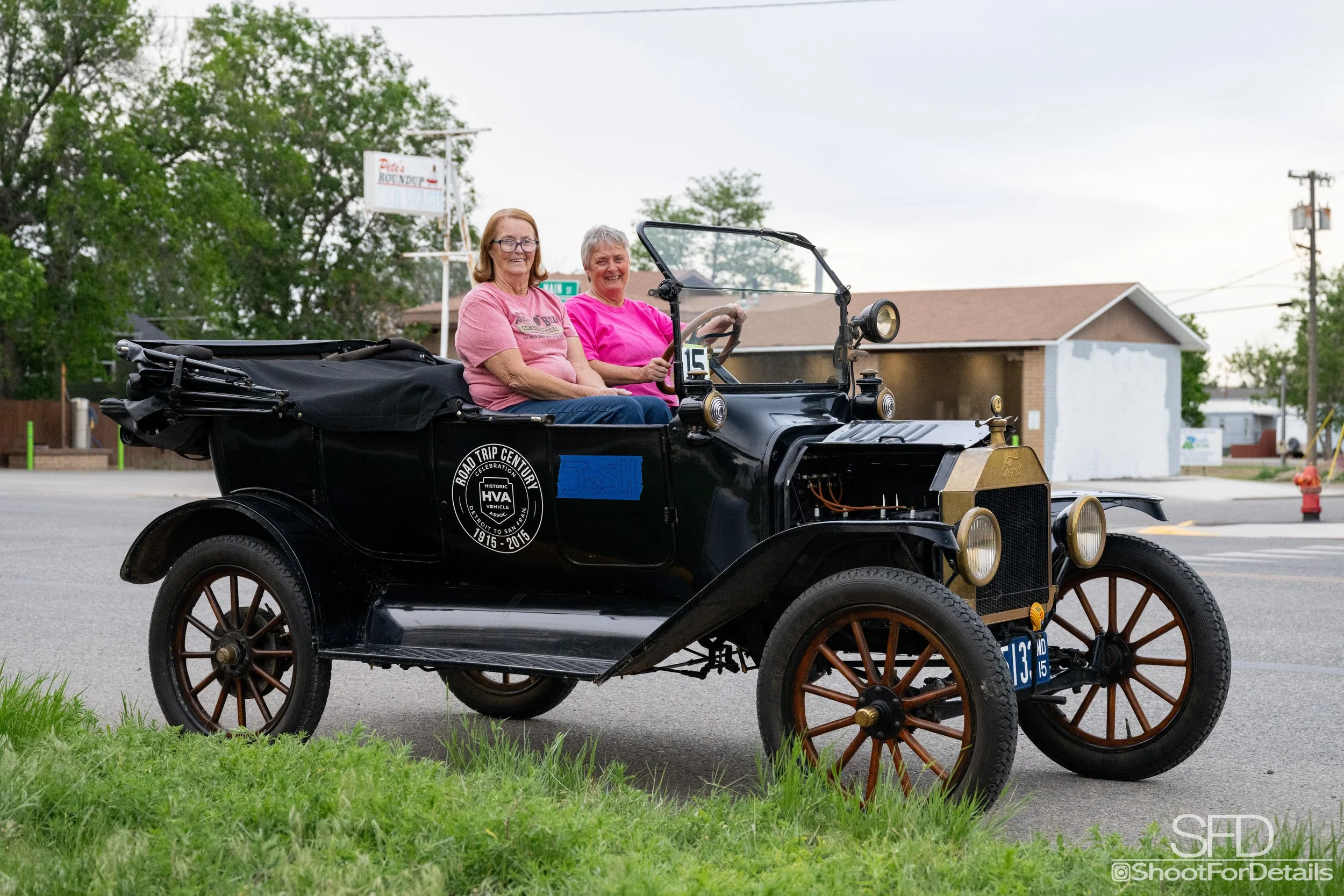
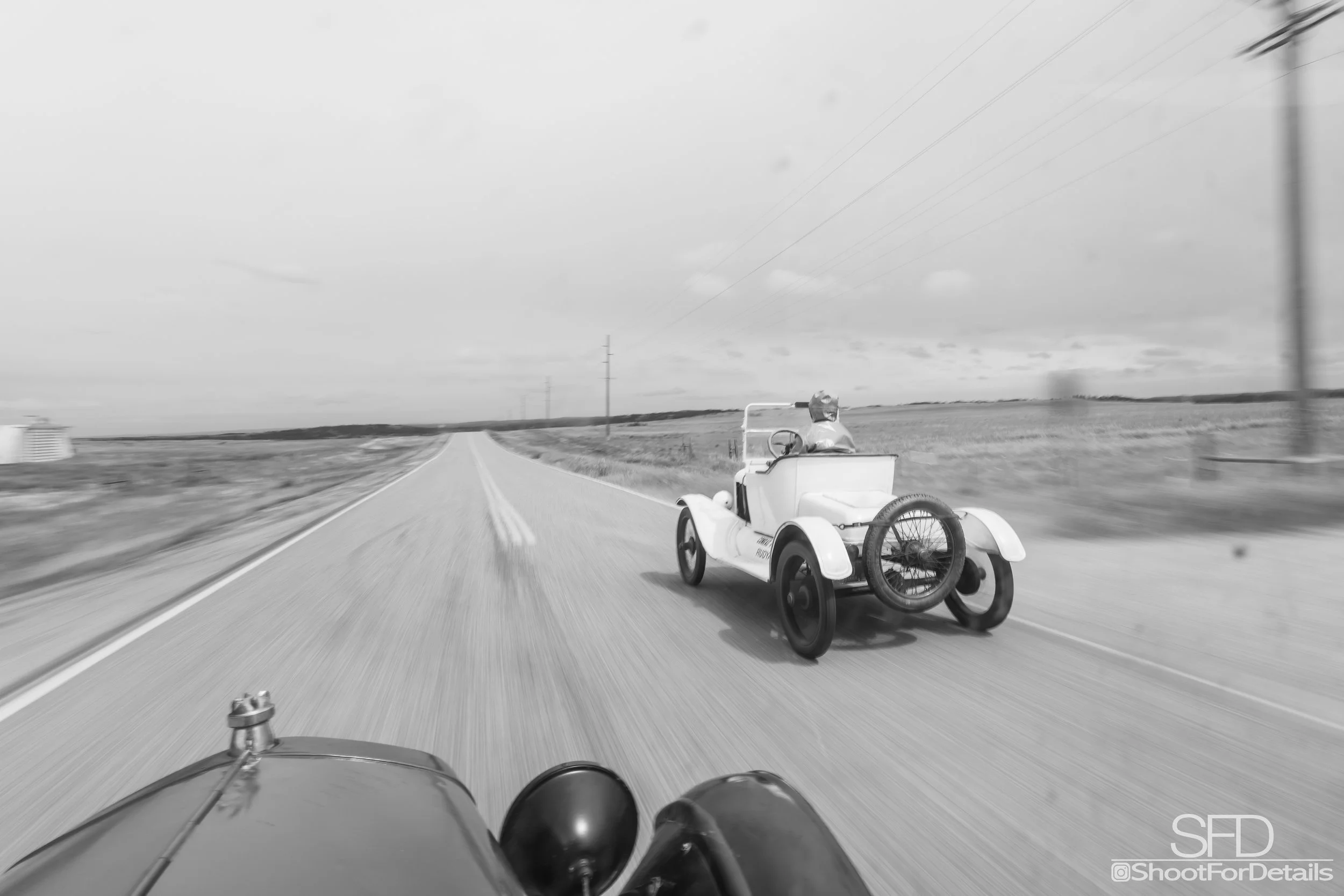
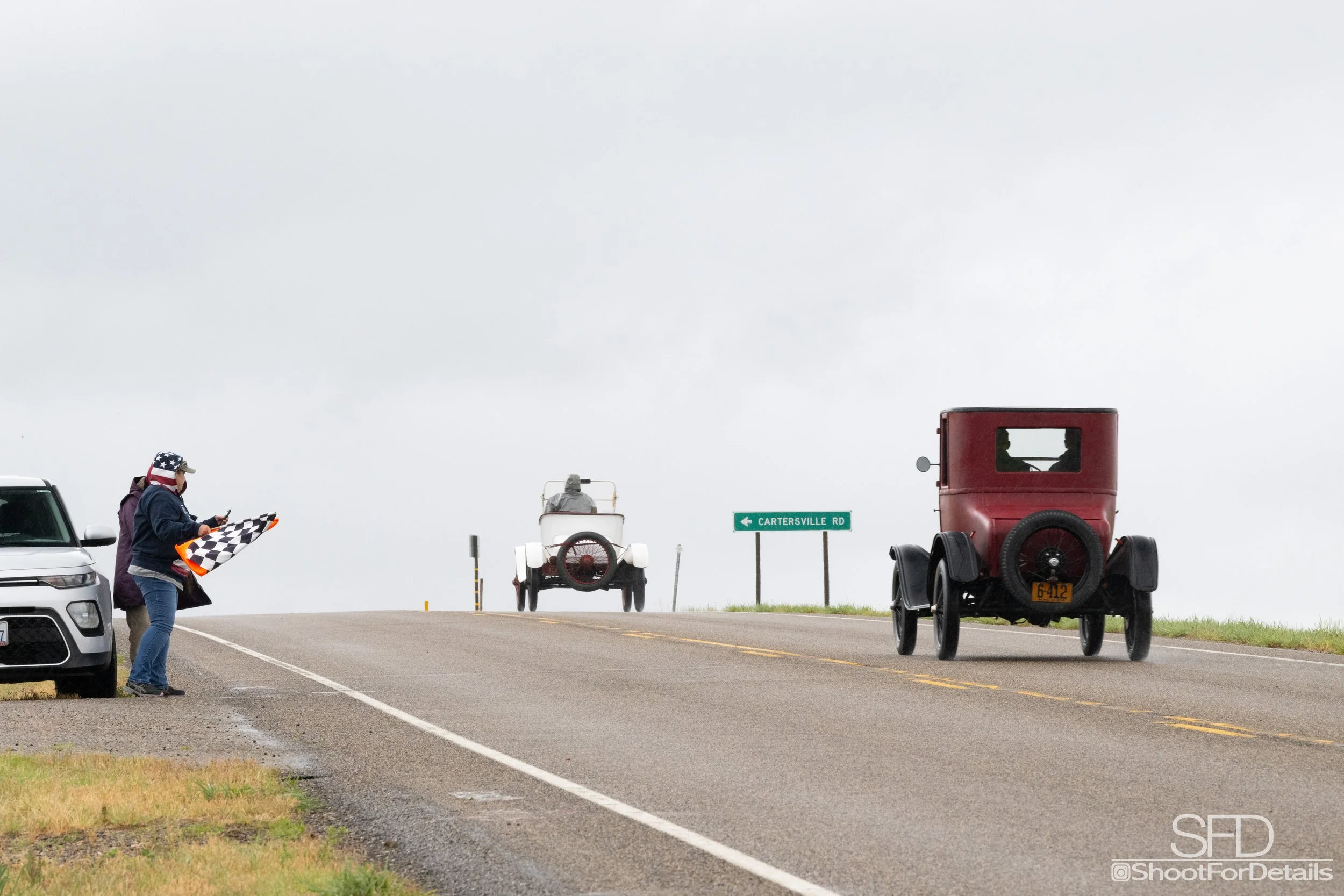
We brought a touring car that had previously traveled from Detroit to San Francisco. Because of that, we were not part of the competition. We were there to experience and document the event, which turned out to be the perfect way to see it. The roads are long and straight in a way that is difficult to explain until you are there. You can see for miles, with heat waves shimmering on the horizon and nothing breaking up the open landscape. We never passed anyone. Everyone passed us. When a big rig hauling equipment approached from behind, you felt it immediately. The rumble of the J brake, the sound of air brakes grabbing, and the size of the truck getting closer quickly demanded your attention. Our top speed was 51 miles per hour on a downhill, and it felt like flying.
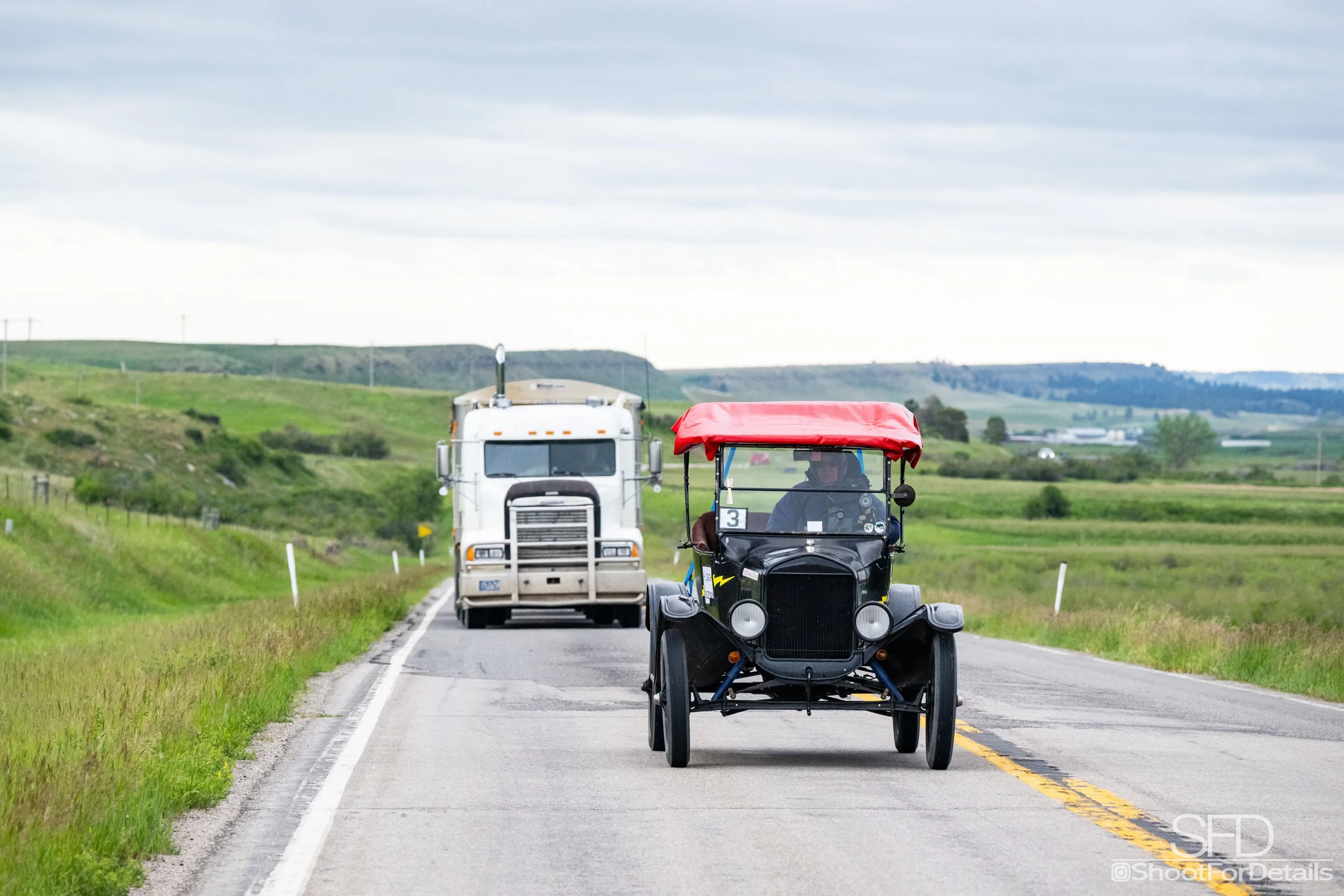
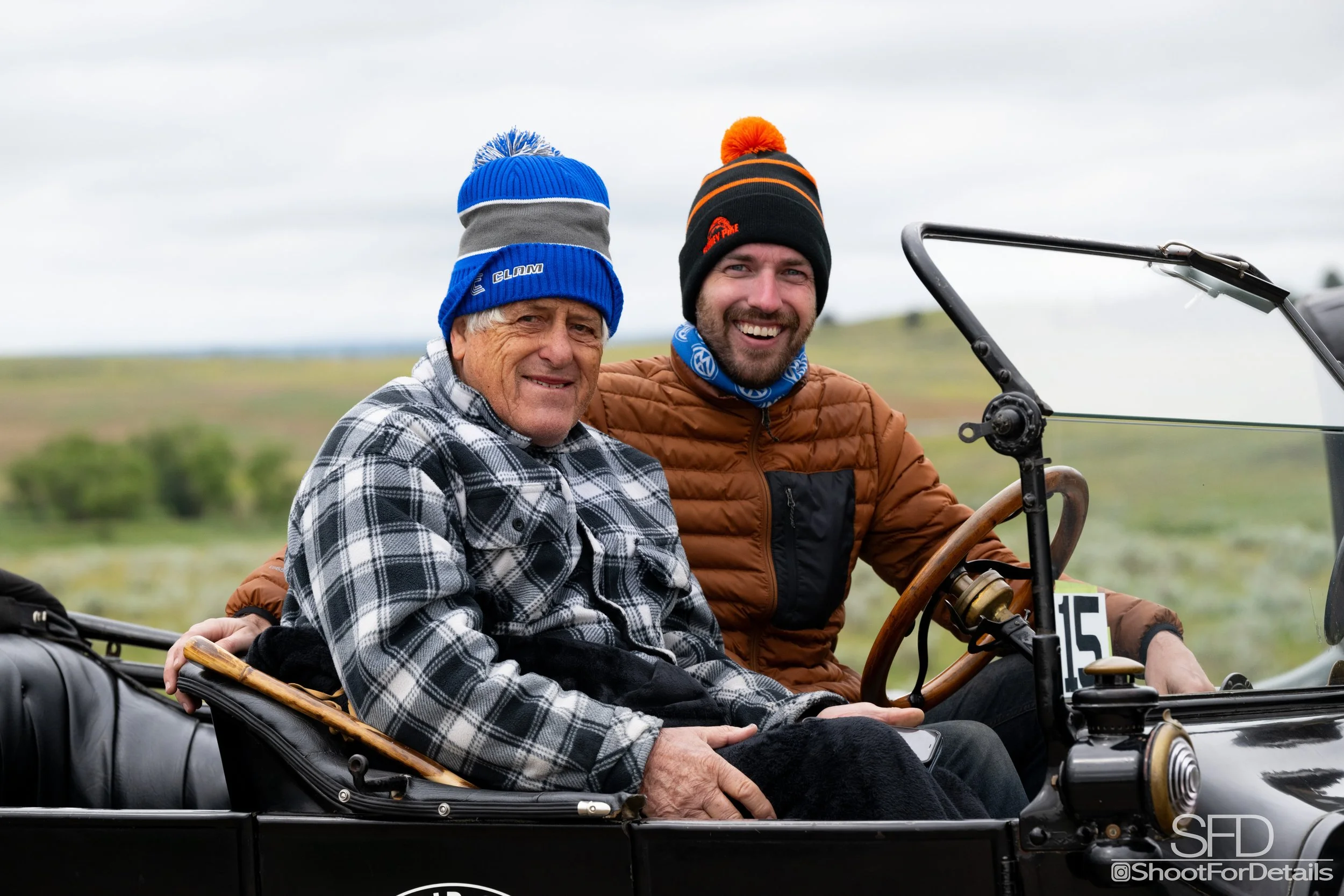
What I was not prepared for was the cold. The wind cuts through everything out there, and before long, we stopped at a small country store to buy a beanie with a pom pom and a pair of gloves just to stay comfortable. Not long after that, the rain arrived, and that is when things changed. We took a turn and the wooden wheel shifted just enough to throw everything off. The car became unstable almost instantly, and for a moment, it felt like we were going to lose control. In a Model T, that is a serious situation. You sit only a few inches below the edge of the seat, and if something goes wrong, there is nothing holding you in place. We managed to keep the car under control, but that was the end of our run for the day.
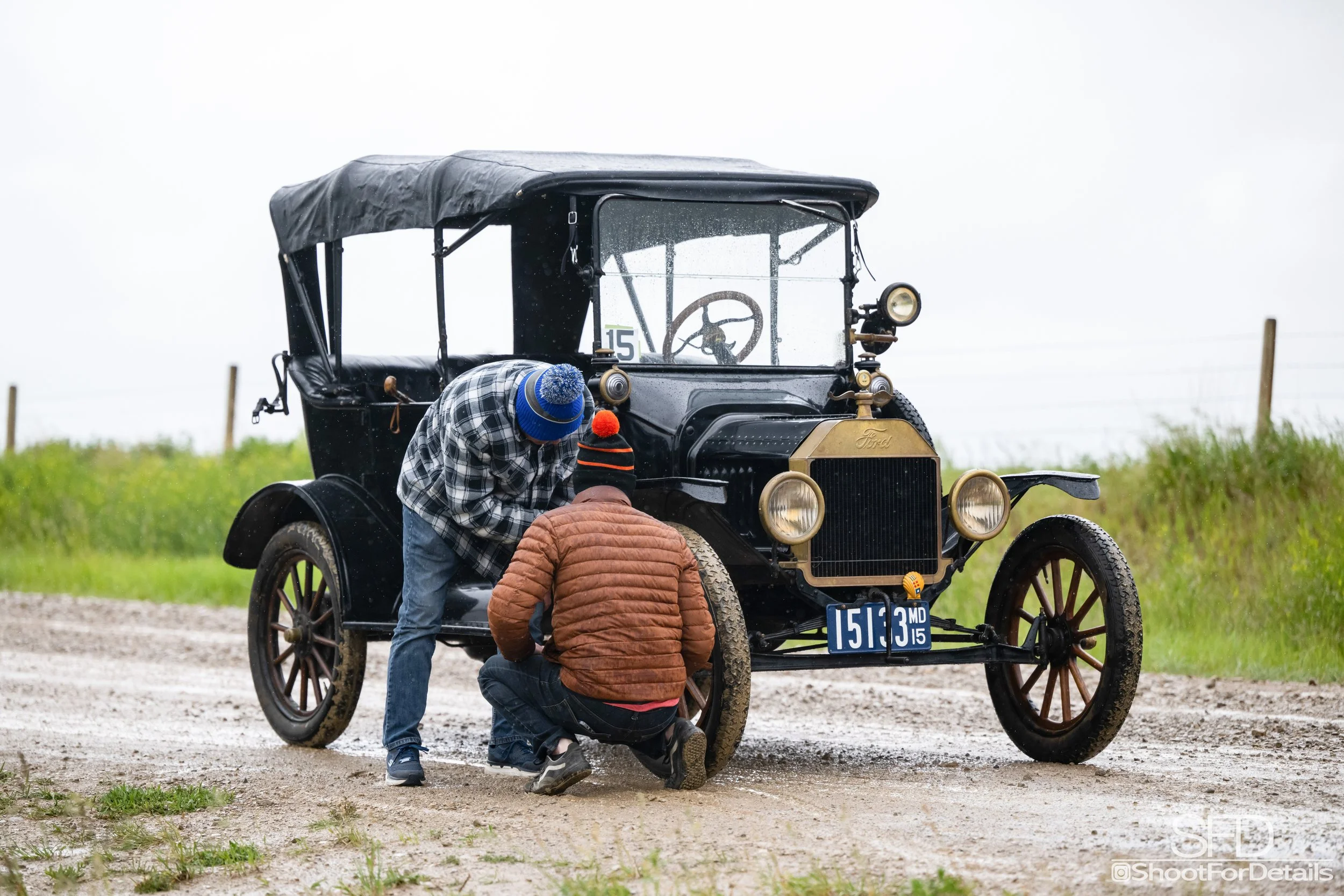
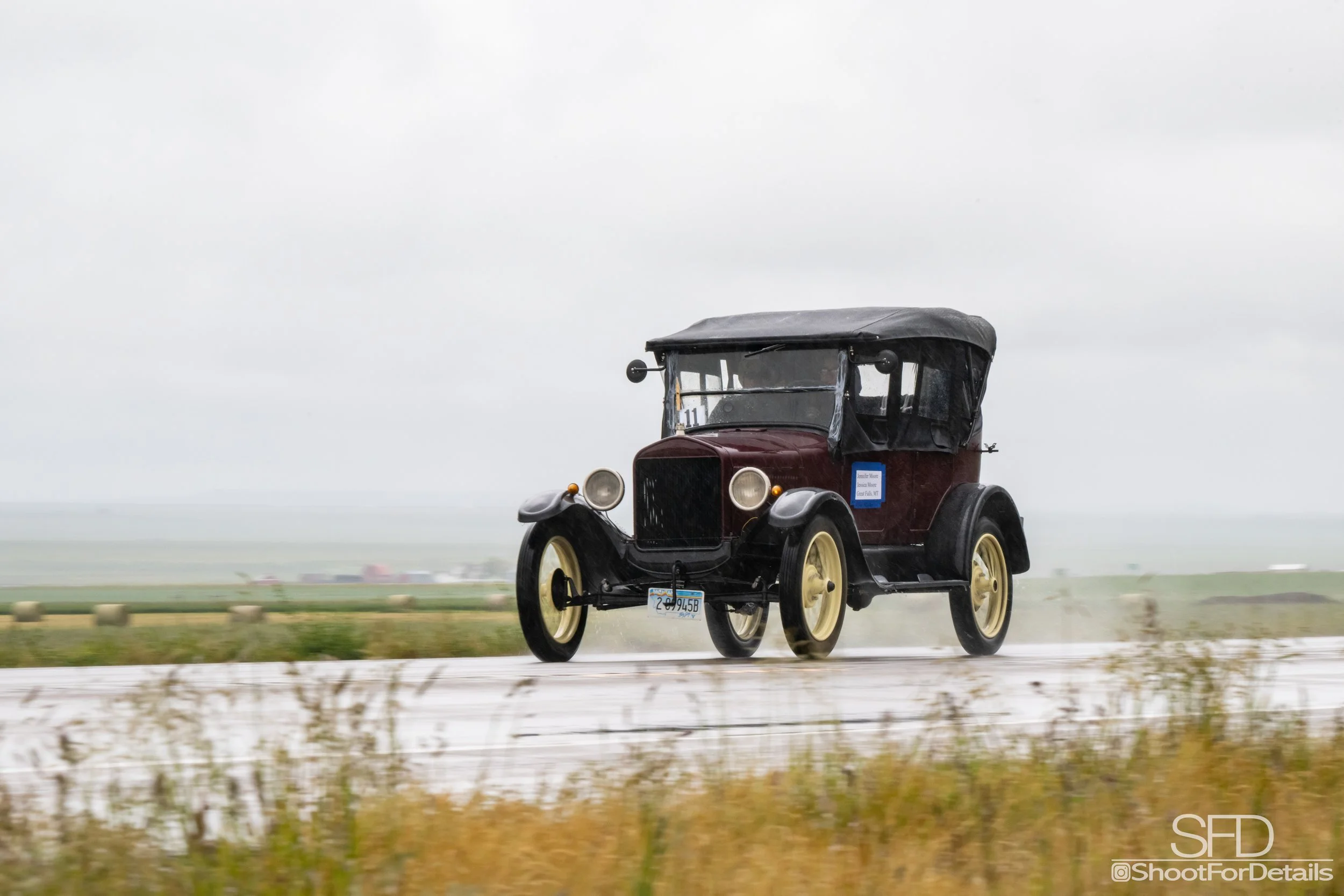
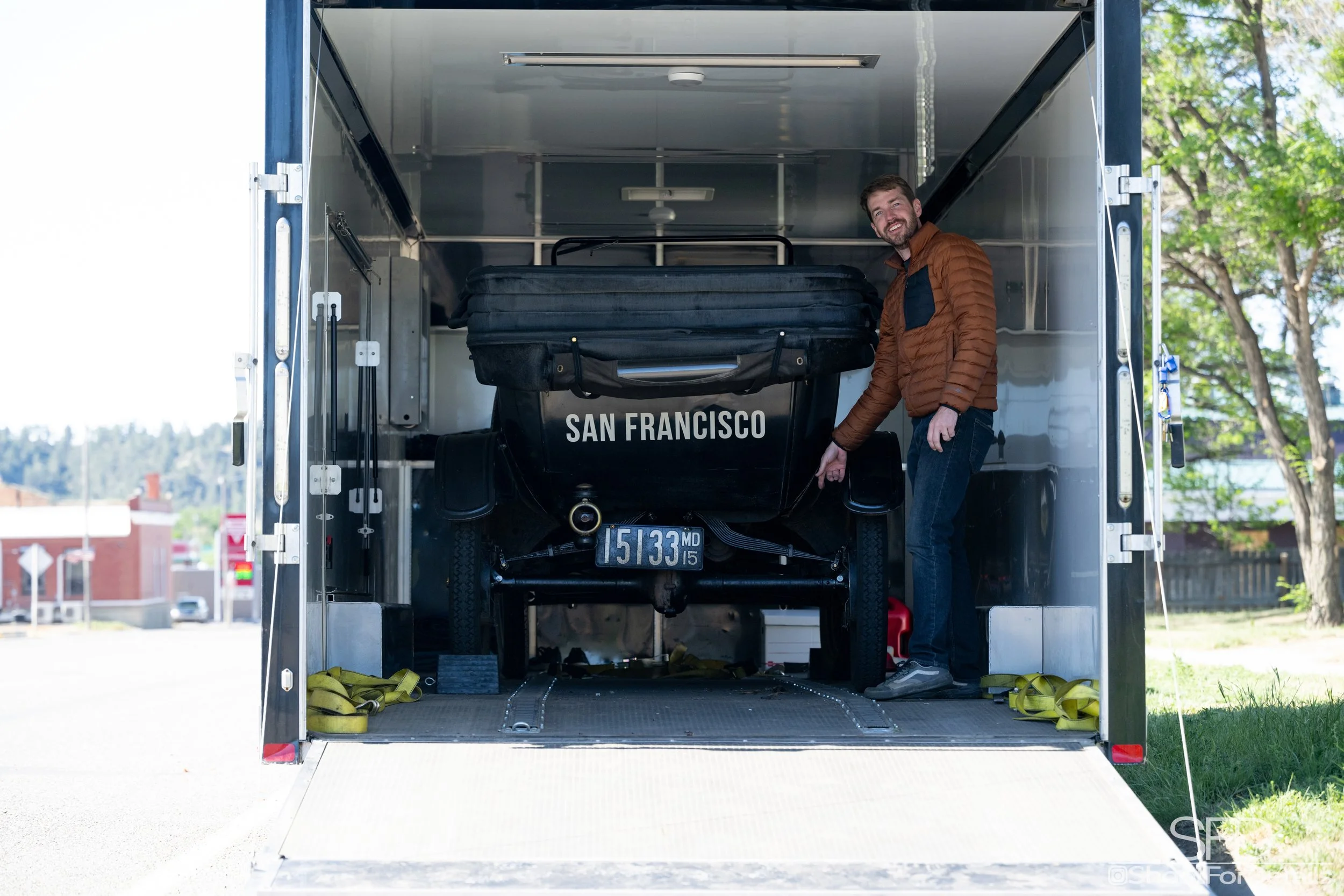
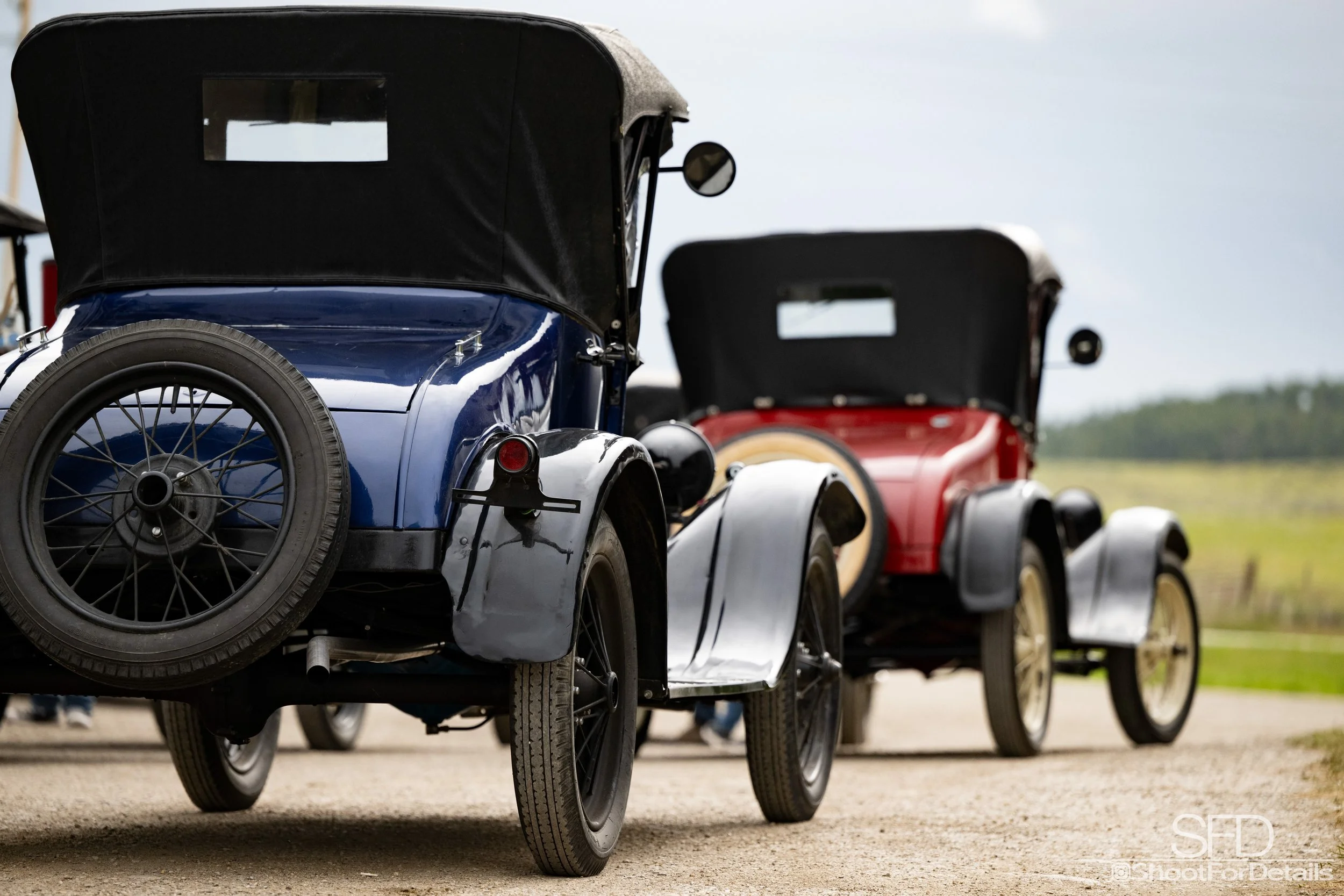
We pulled off and waited for the trailer. As we sat there, the other cars continued driving past us one by one. No one stopped, not because they did not care, but because they could not. This is a timed event, and stopping means your run is over. They stayed committed and kept moving. In that moment, everything about the event became clear.
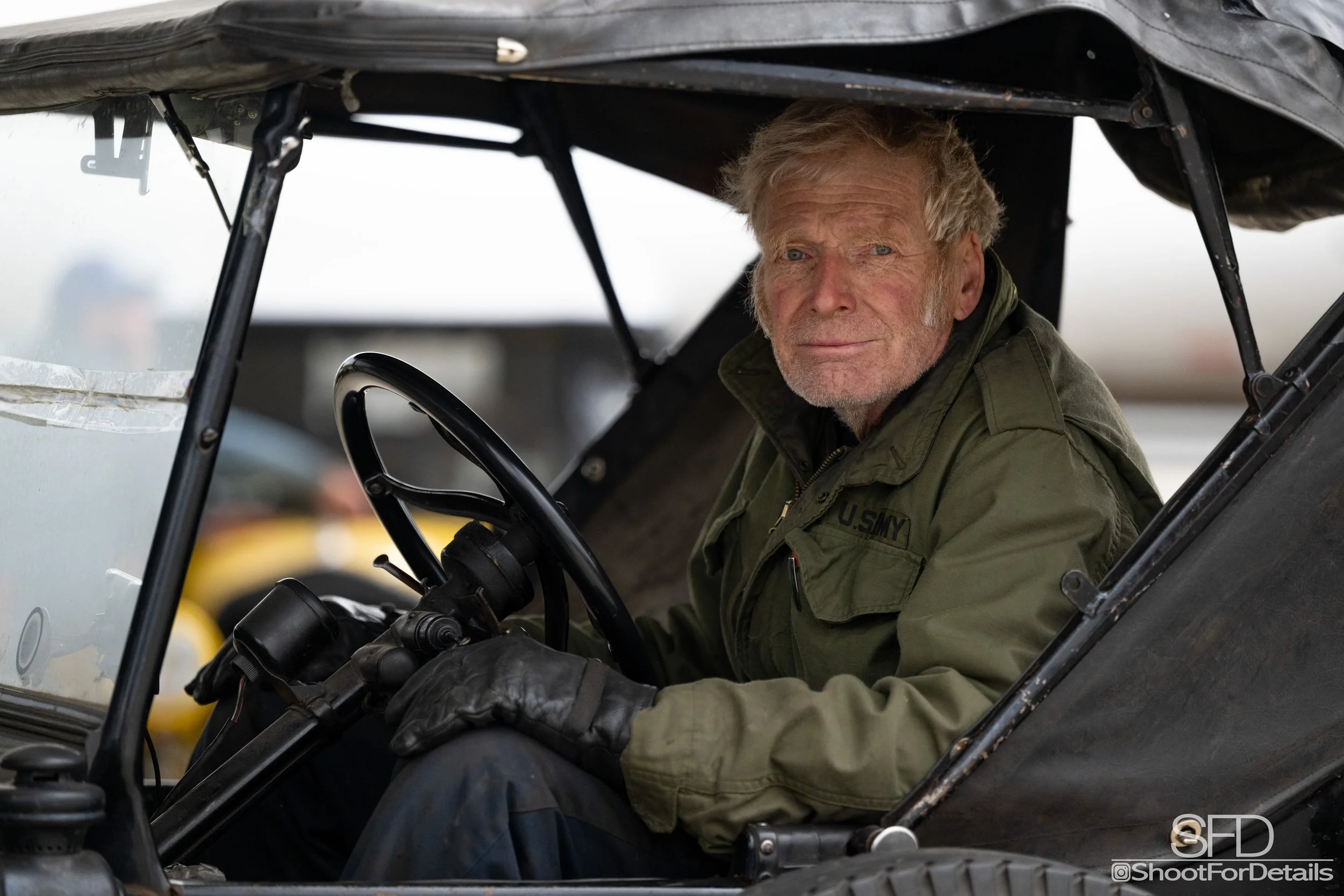
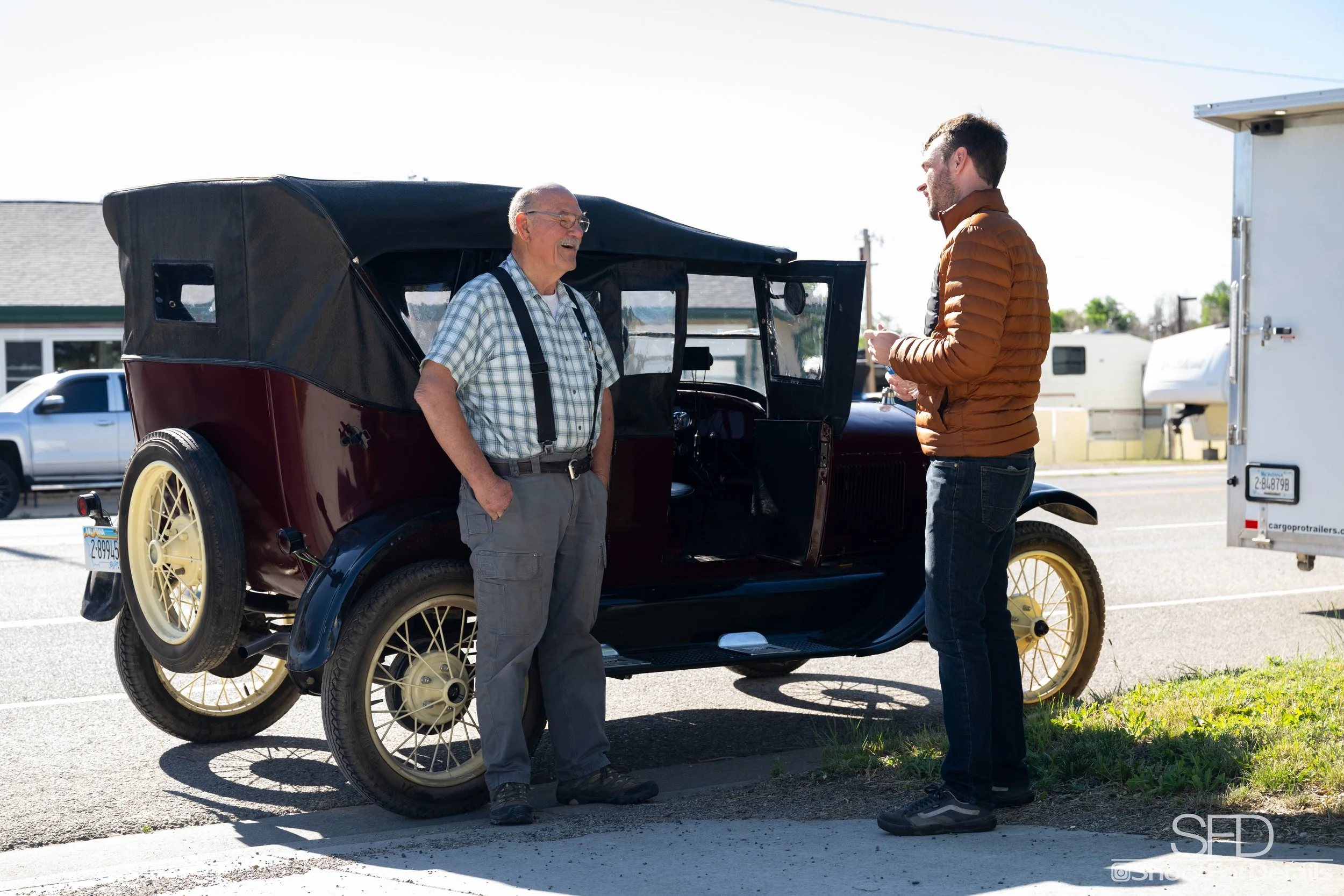
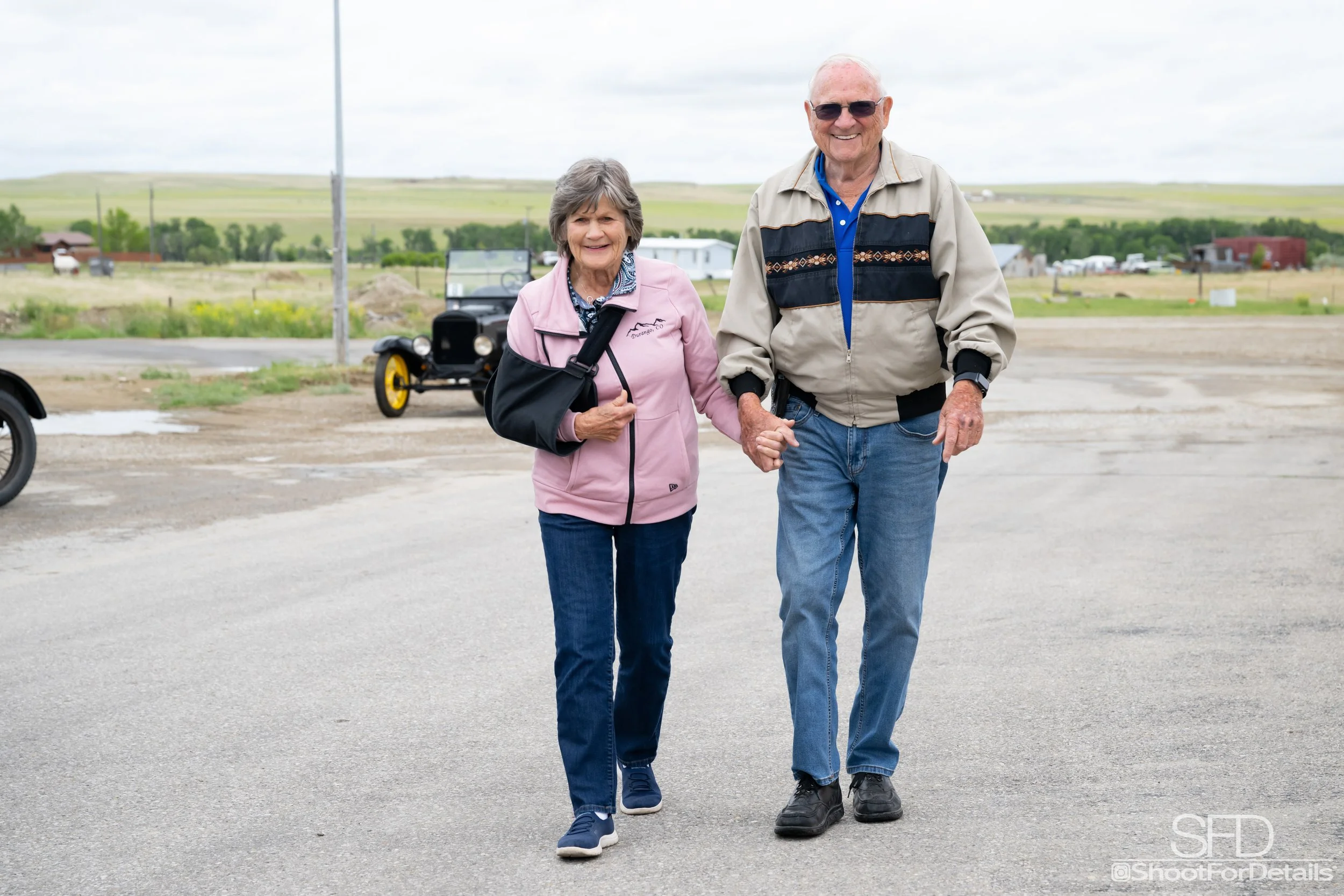
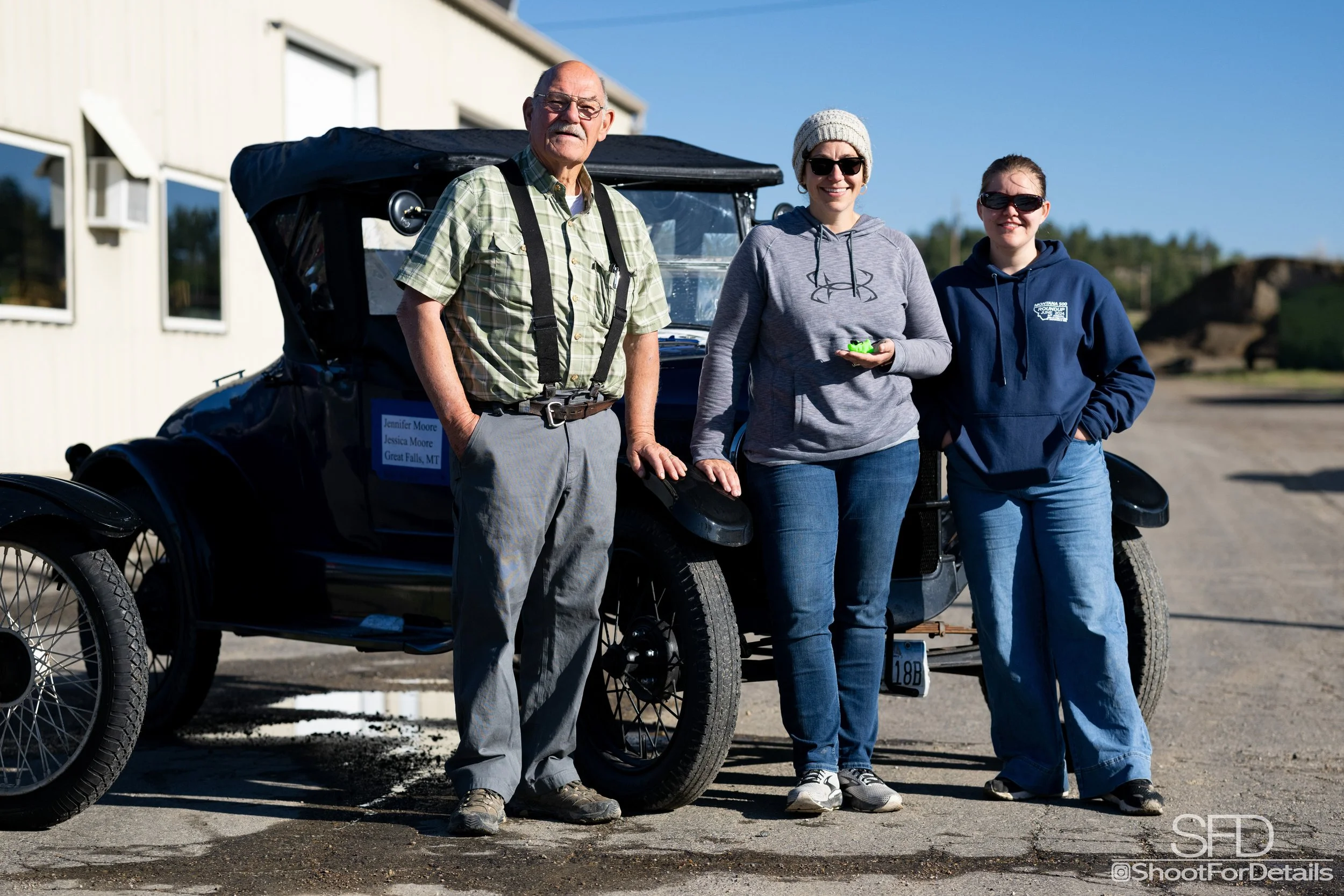
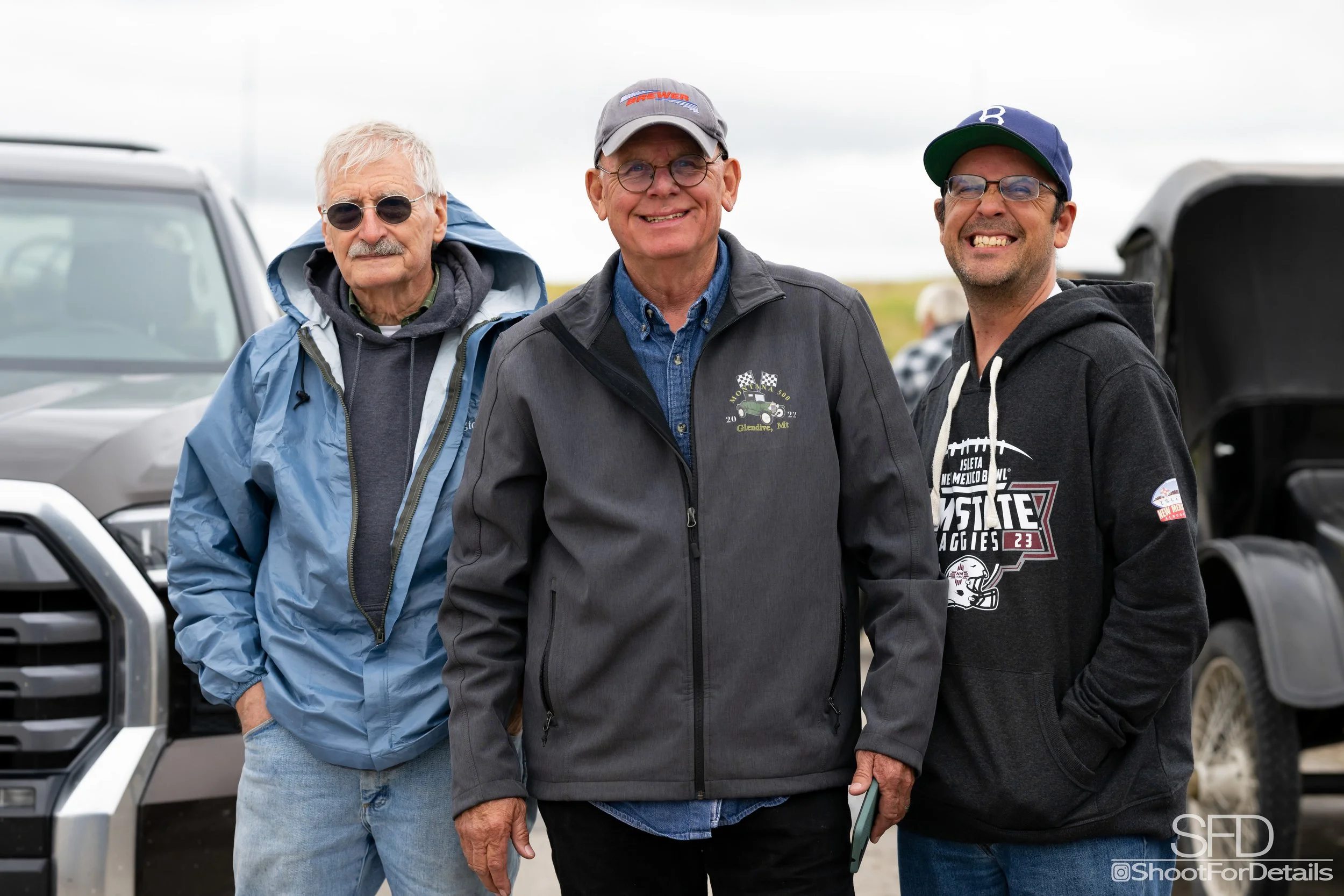
Earlier in the day, an older gentleman named Sonny had ridden with us. He had attended this event for many years, and the way he spoke about it made it clear that it meant far more than a simple weekend drive. His stories and the small details he shared helped fill in the gaps that could never be found online. This is not an event that is trying to grow or be discovered. It feels like a couple of families have been doing this for generations, with a quiet rivalry that shows itself in small groups and conversations. It is subtle, but it is part of what makes the event special.
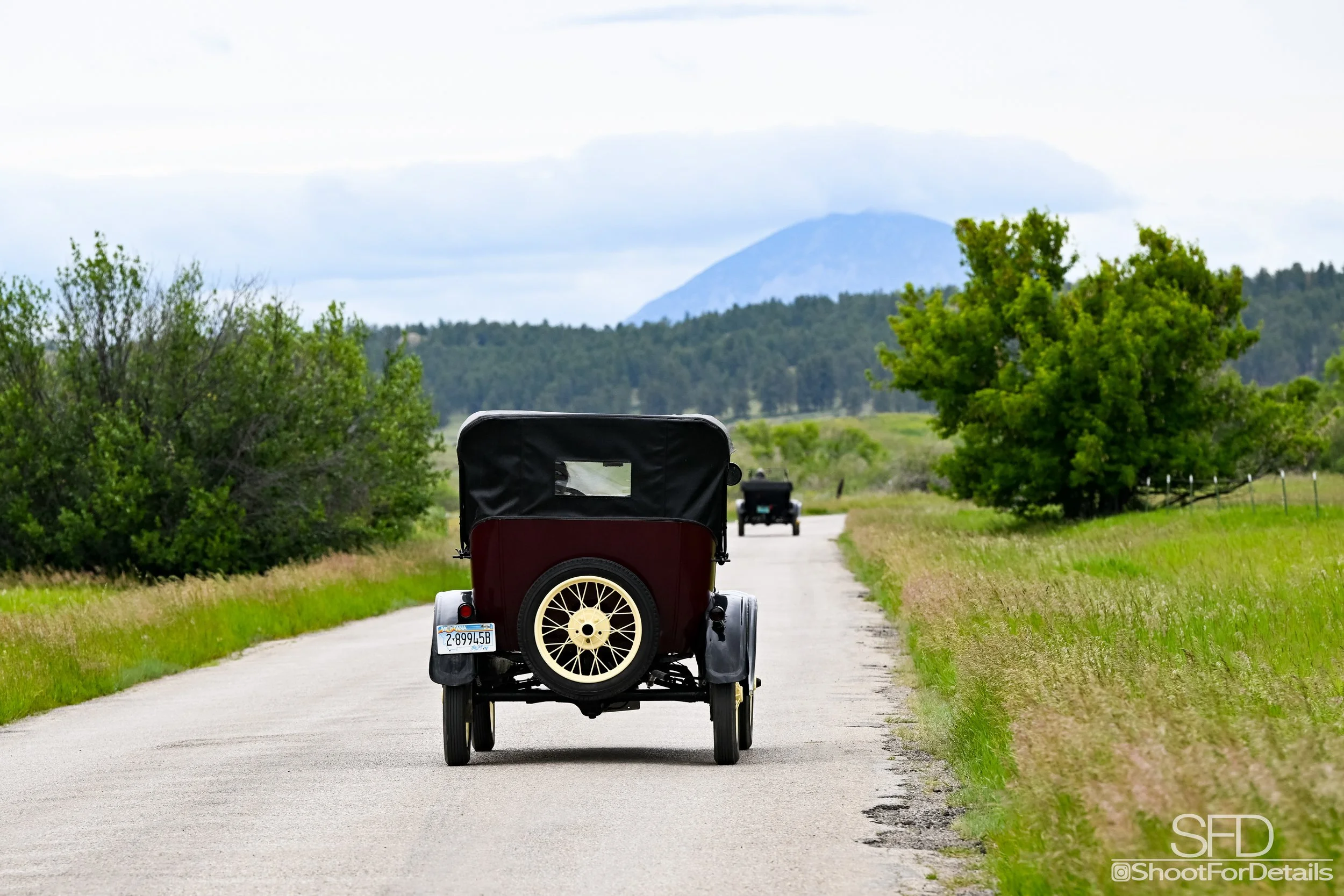
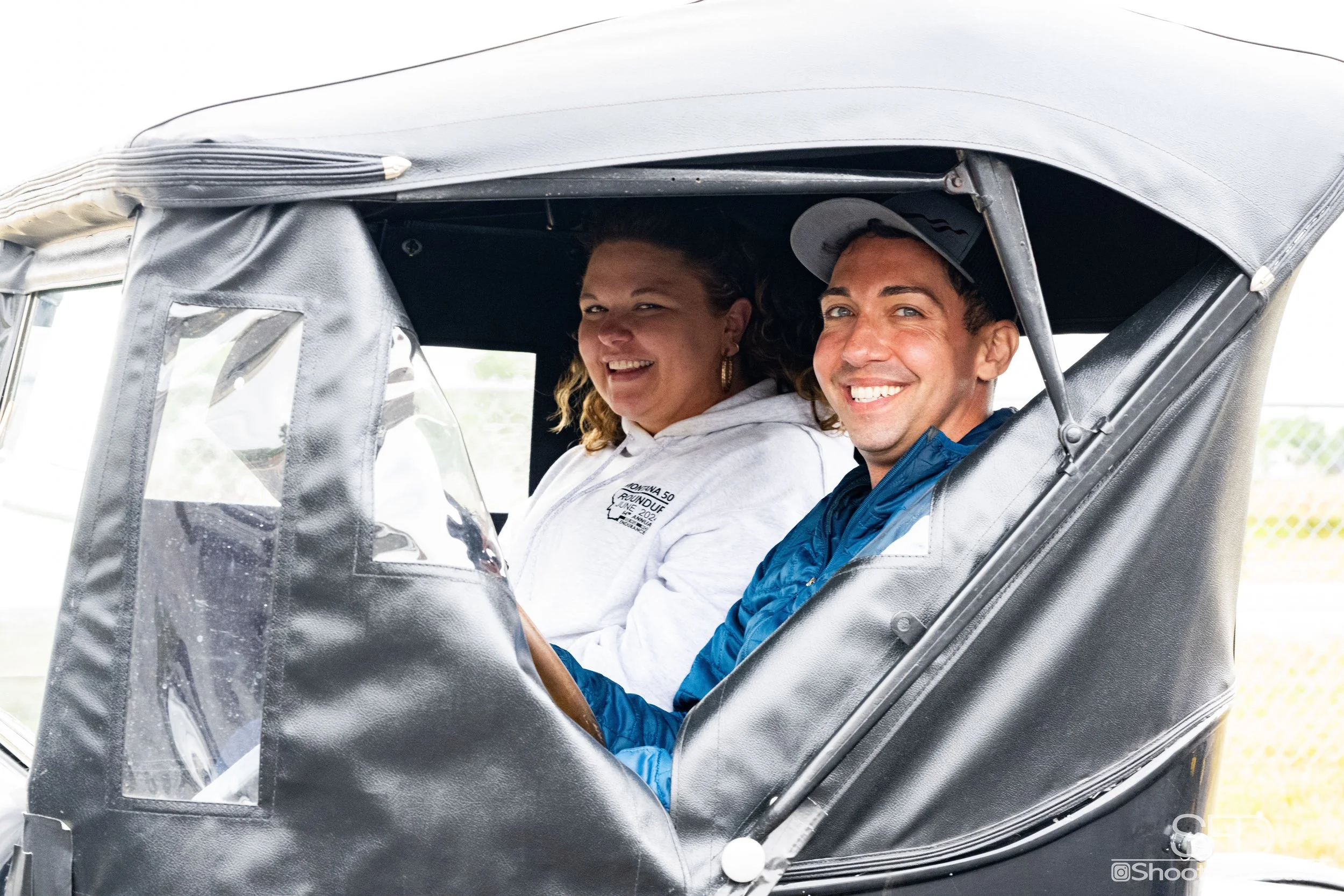
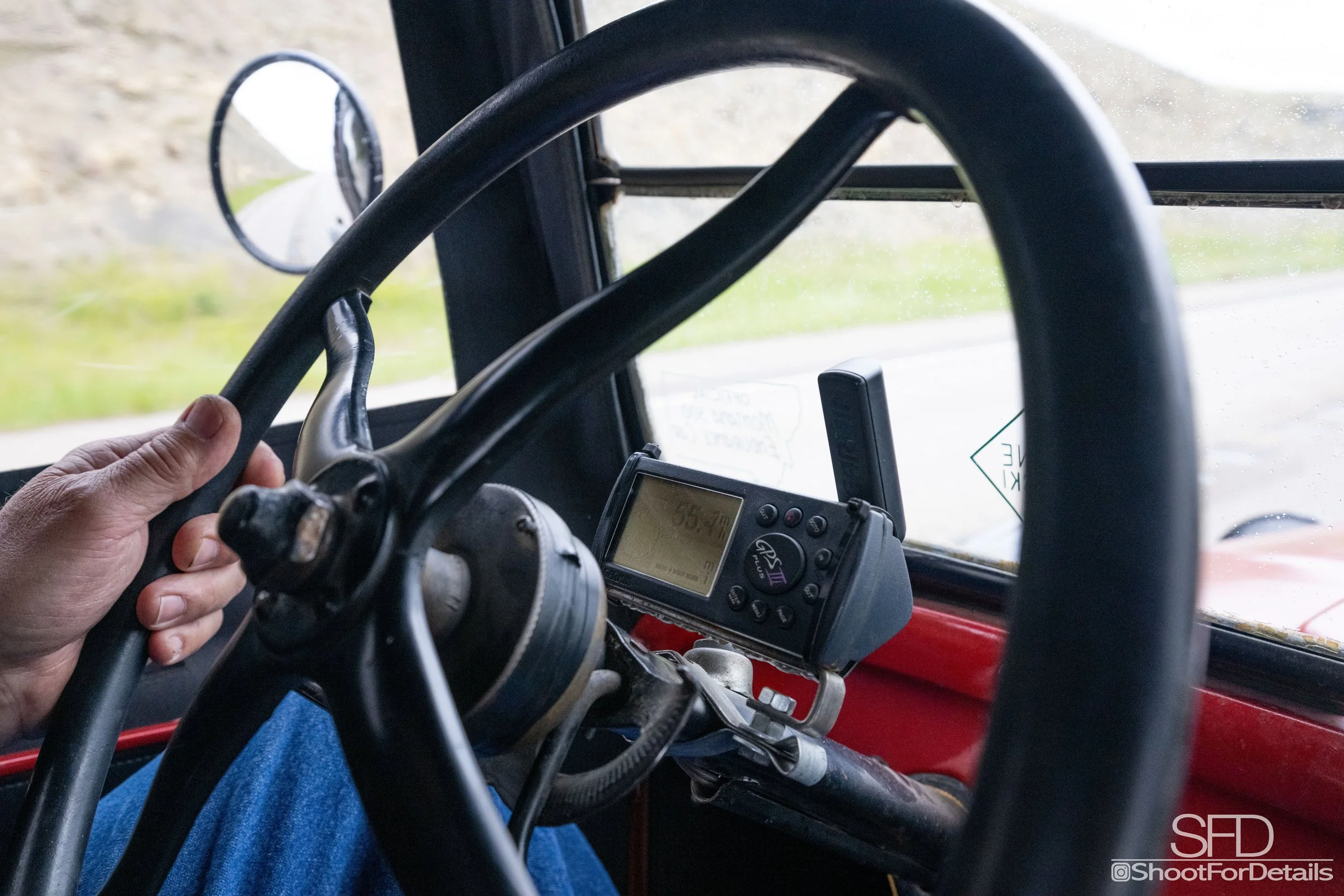
For me, the best part was being in it. I had the chance to ride in one of the cars at speed, and it completely changed my perspective. Fifty five miles per hour in a Model T feels nothing like a modern car. You feel every movement and every adjustment. Passing another car takes time. You slowly work your way by, hoping nothing appears in the oncoming lane. If something does, you back off and try again, rebuilding momentum from the start. It is not fast by modern standards, but it feels intense in a way modern cars never do.
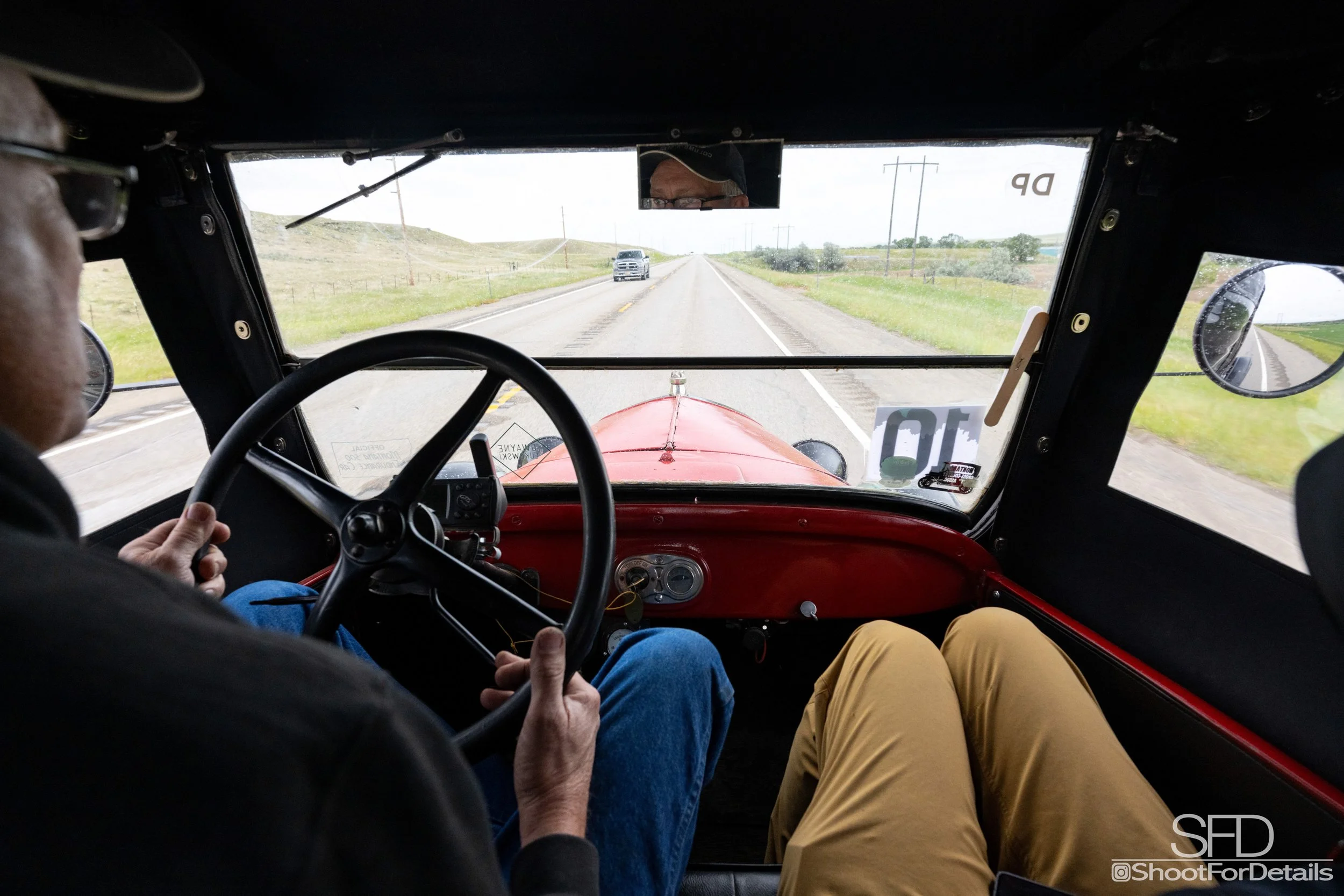
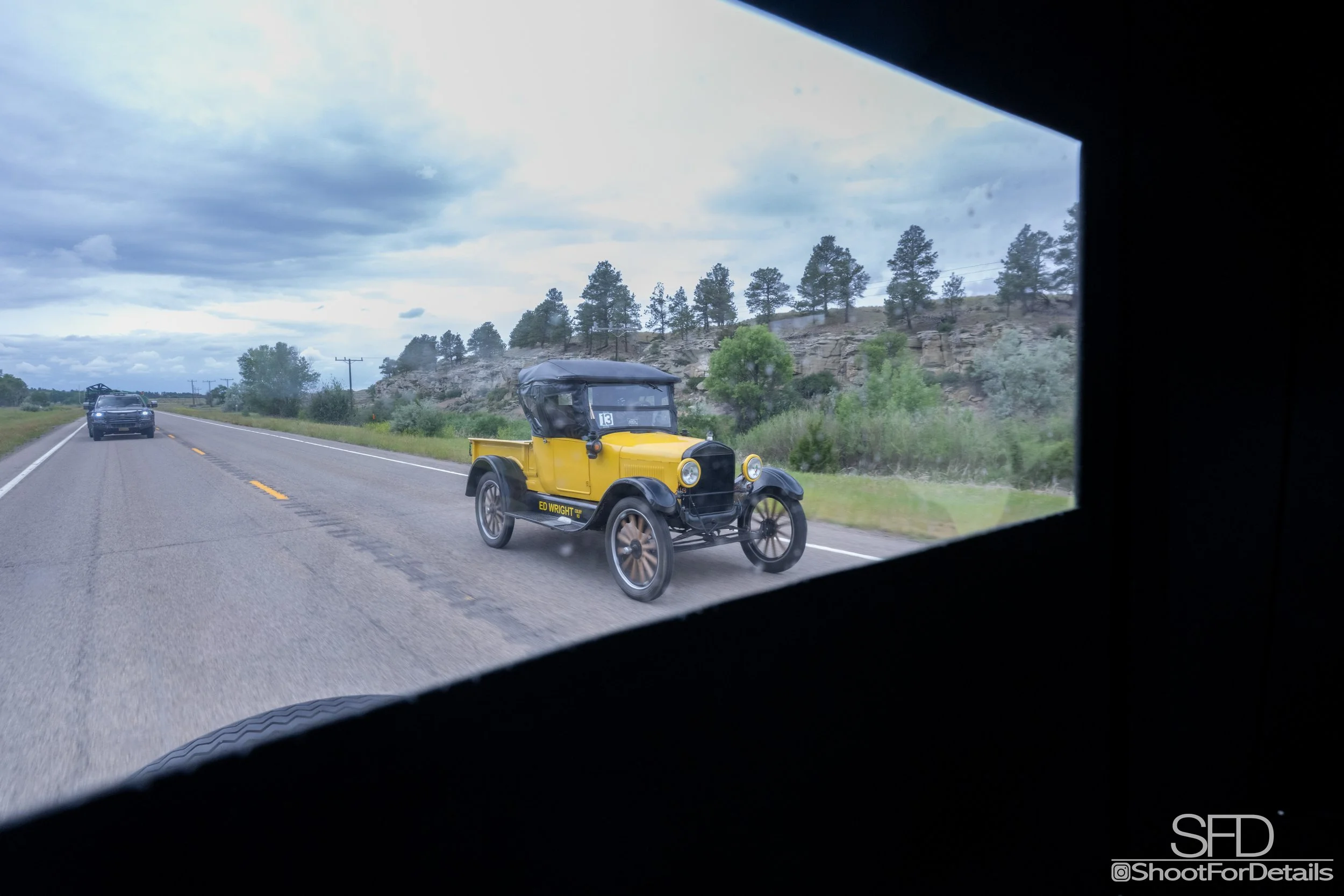
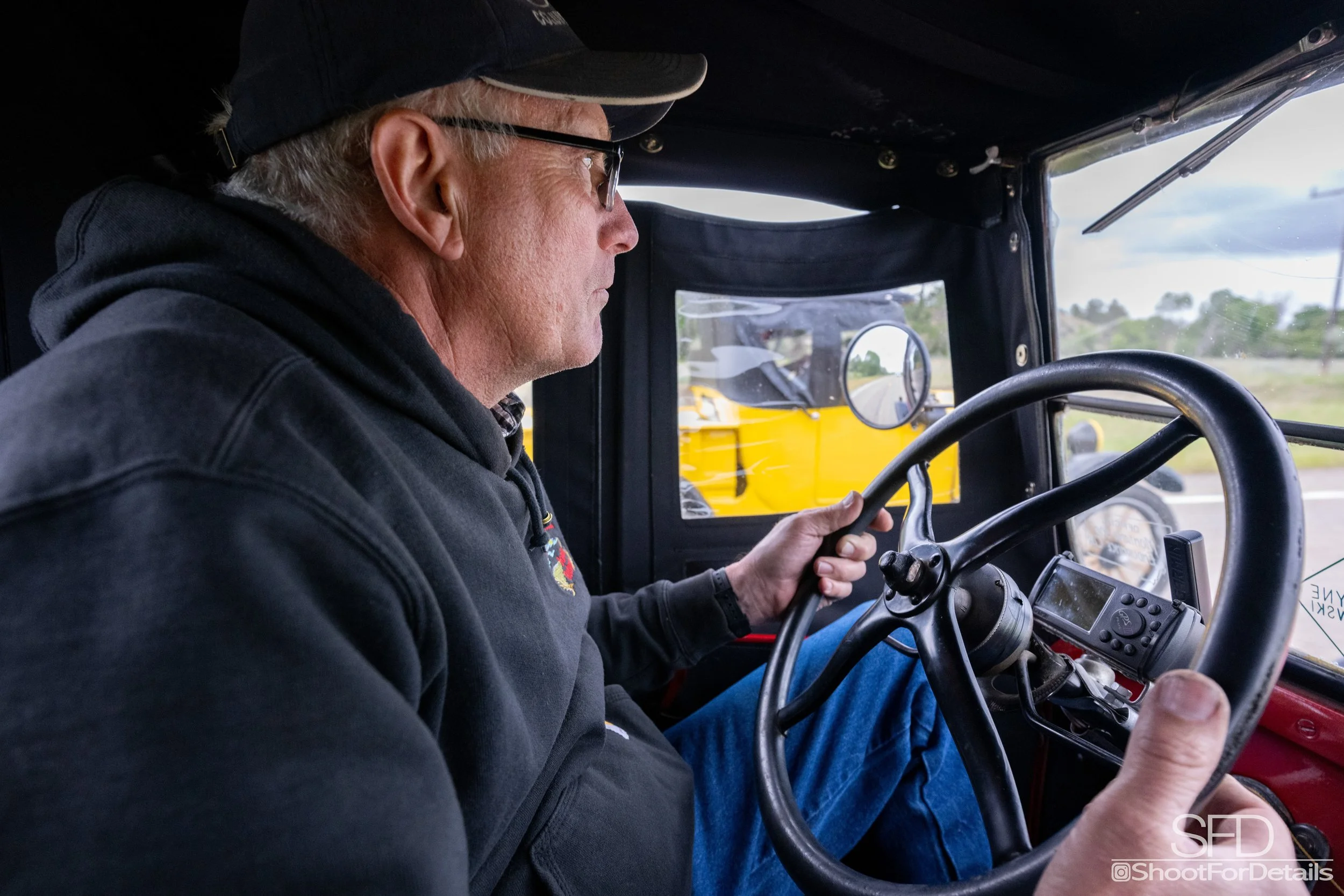
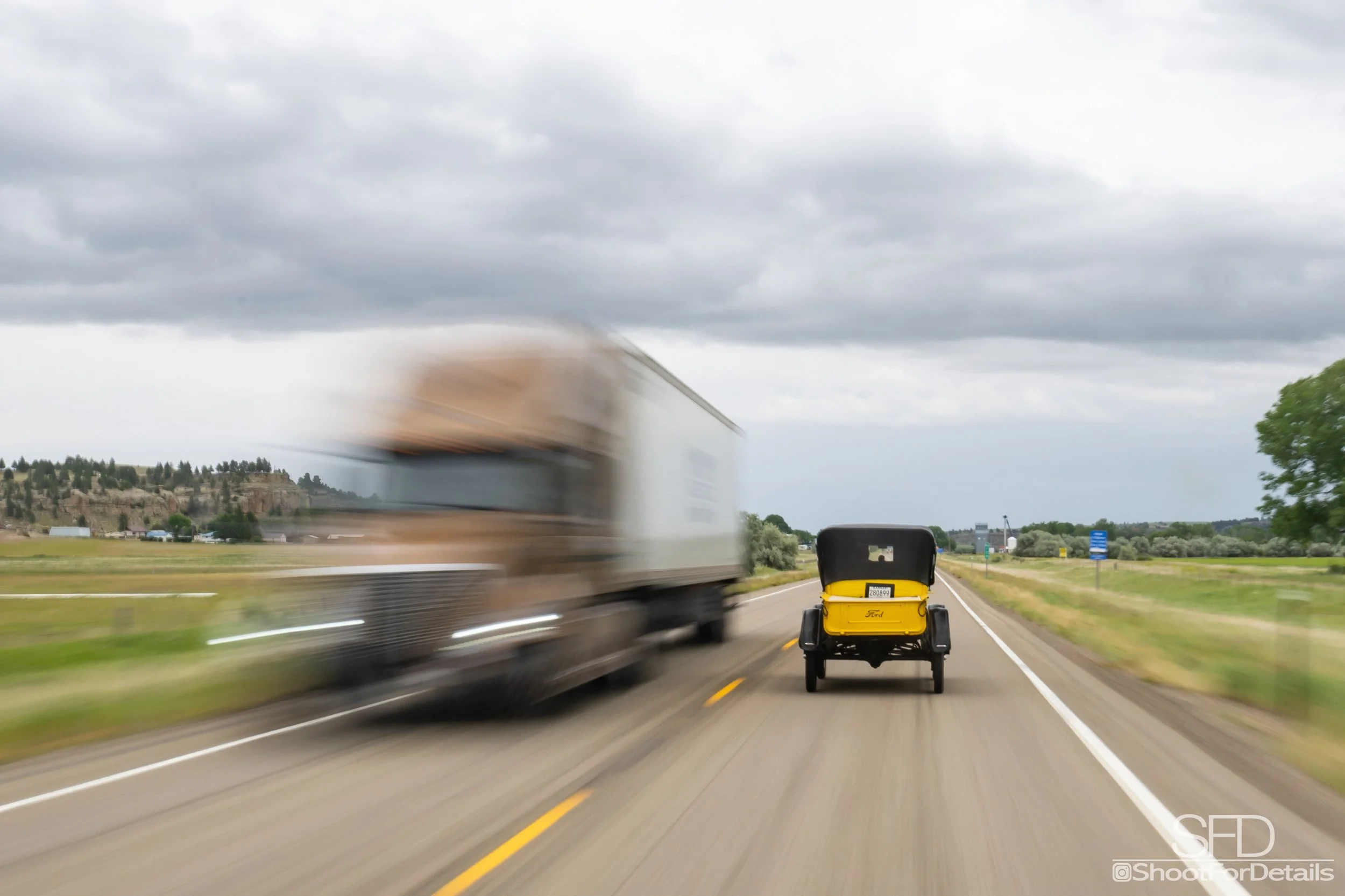
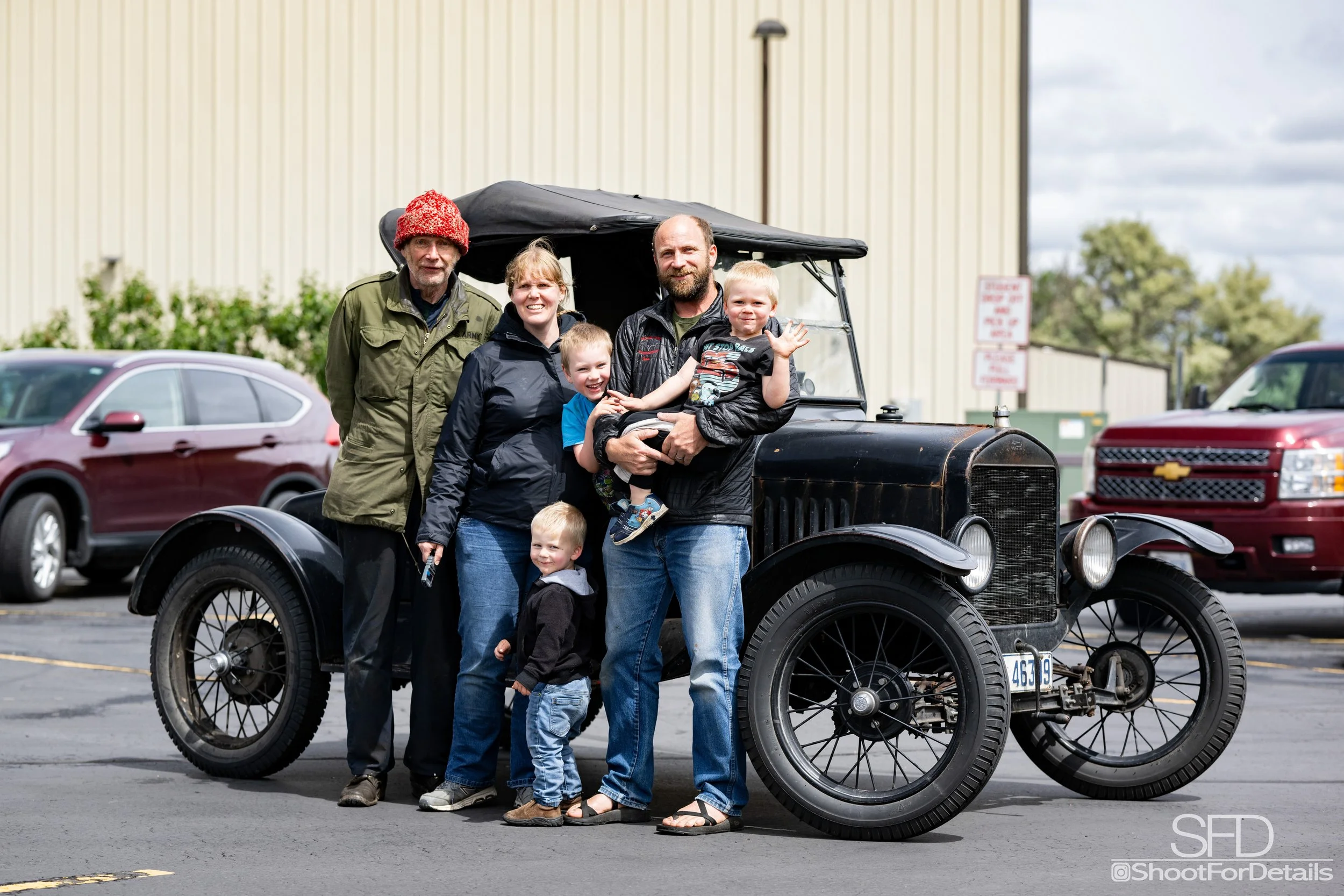
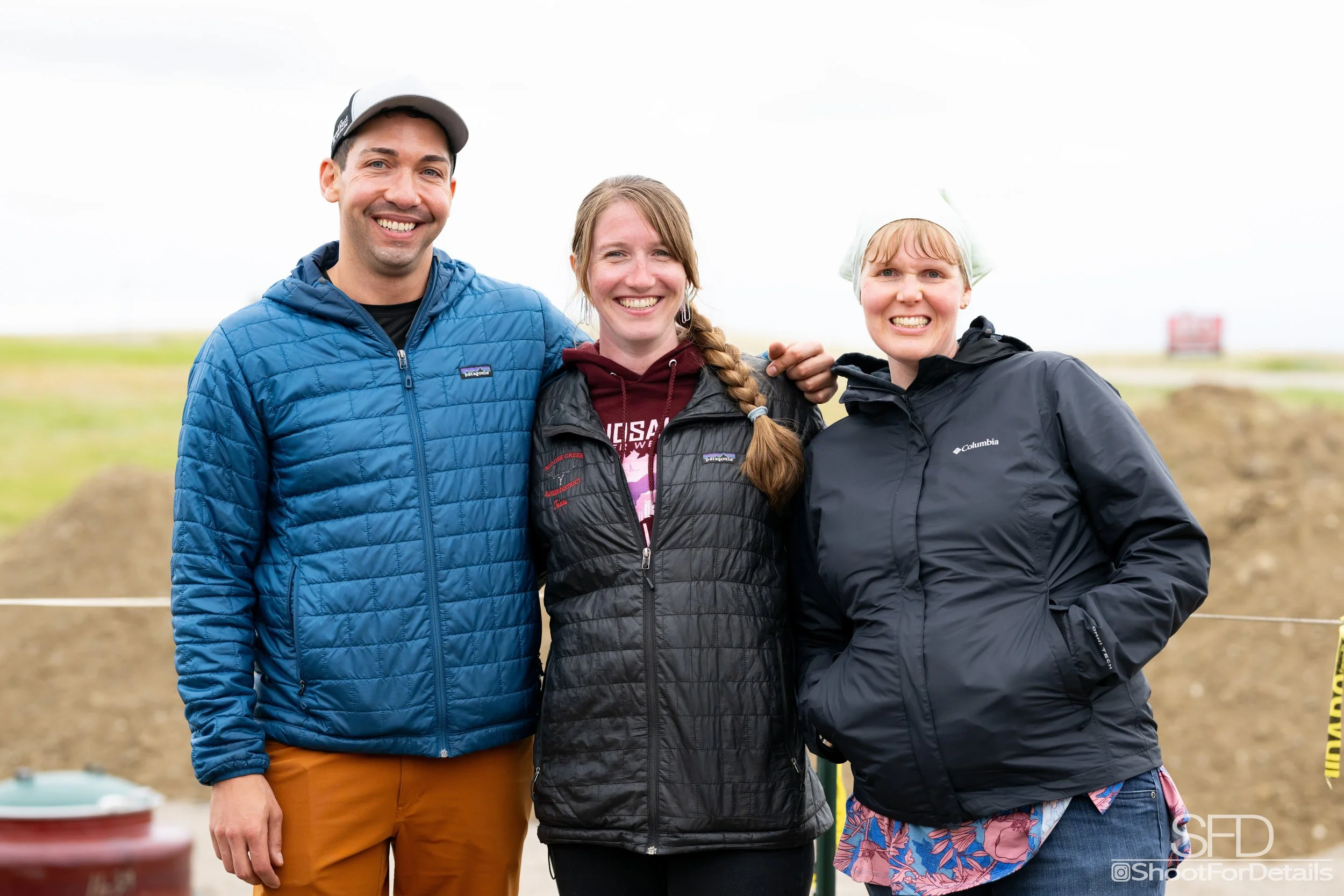
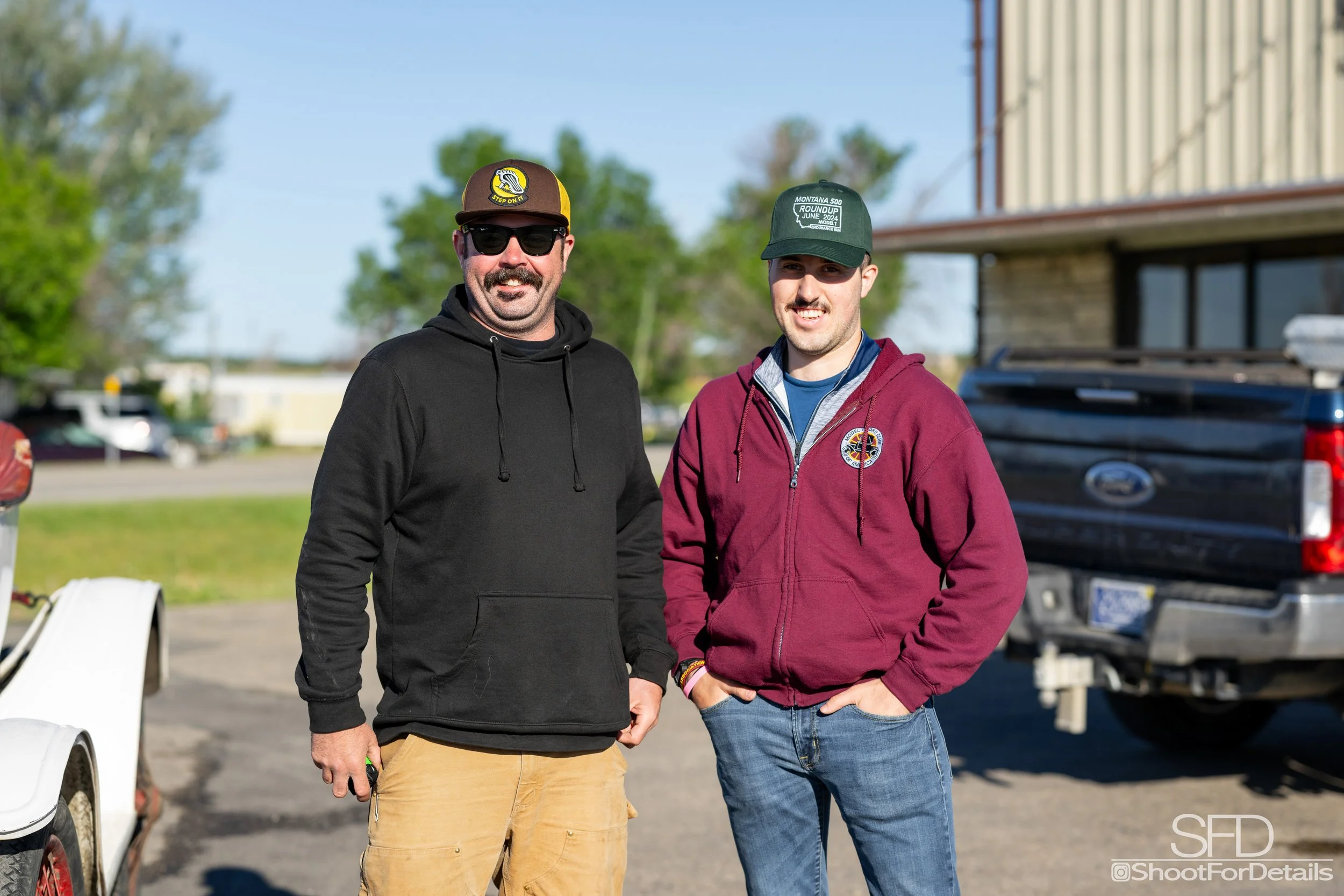
Despite the rivalry, everyone was welcoming and easy to talk to. The passion was genuine and easy to feel. These are the kinds of events I enjoy being part of, the ones that exist without needing attention. The only real concern during the entire trip was simple. If the camera car broke down completely, we would be stuck. Out there, there is no quick solution. You are fully committed to the journey.
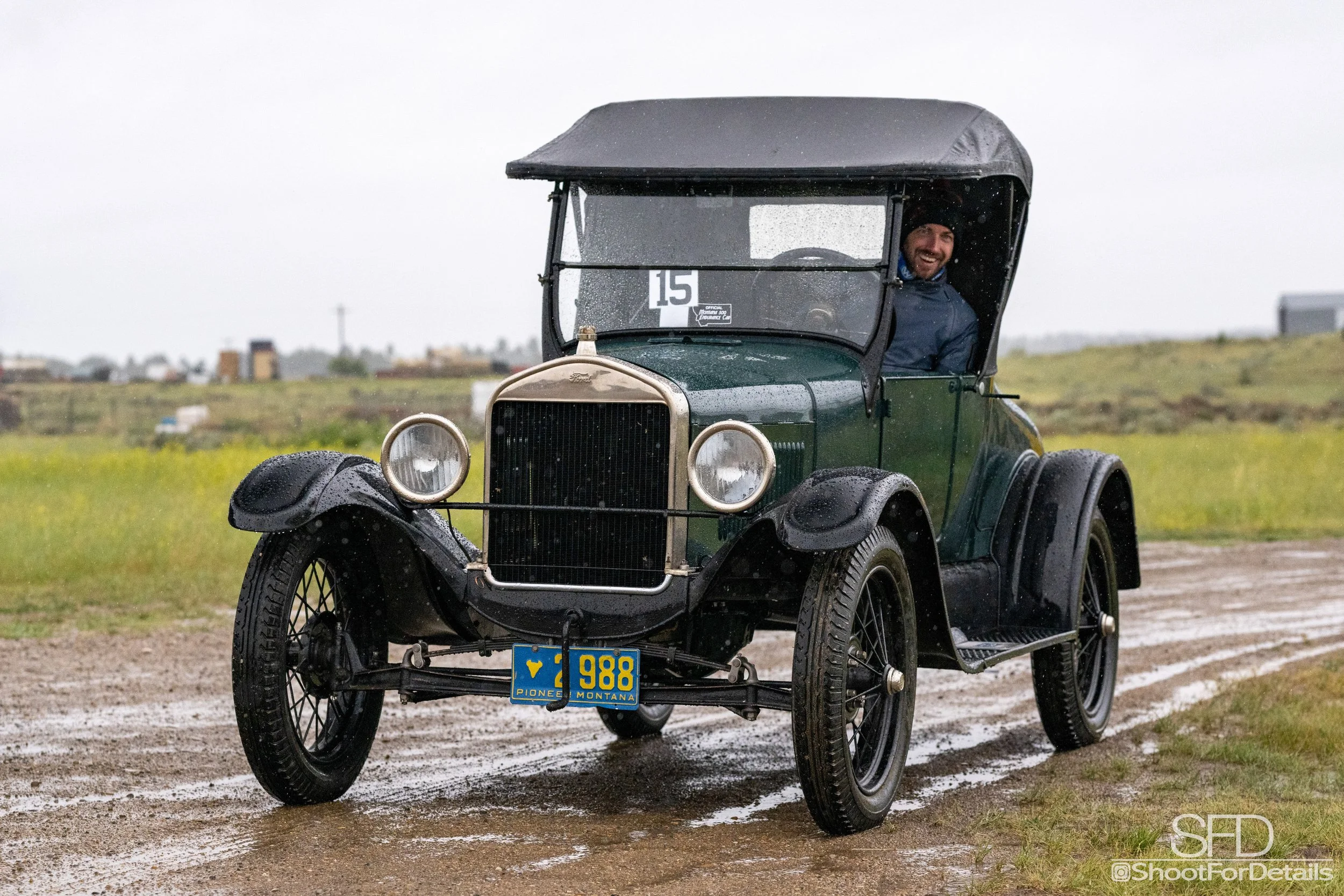
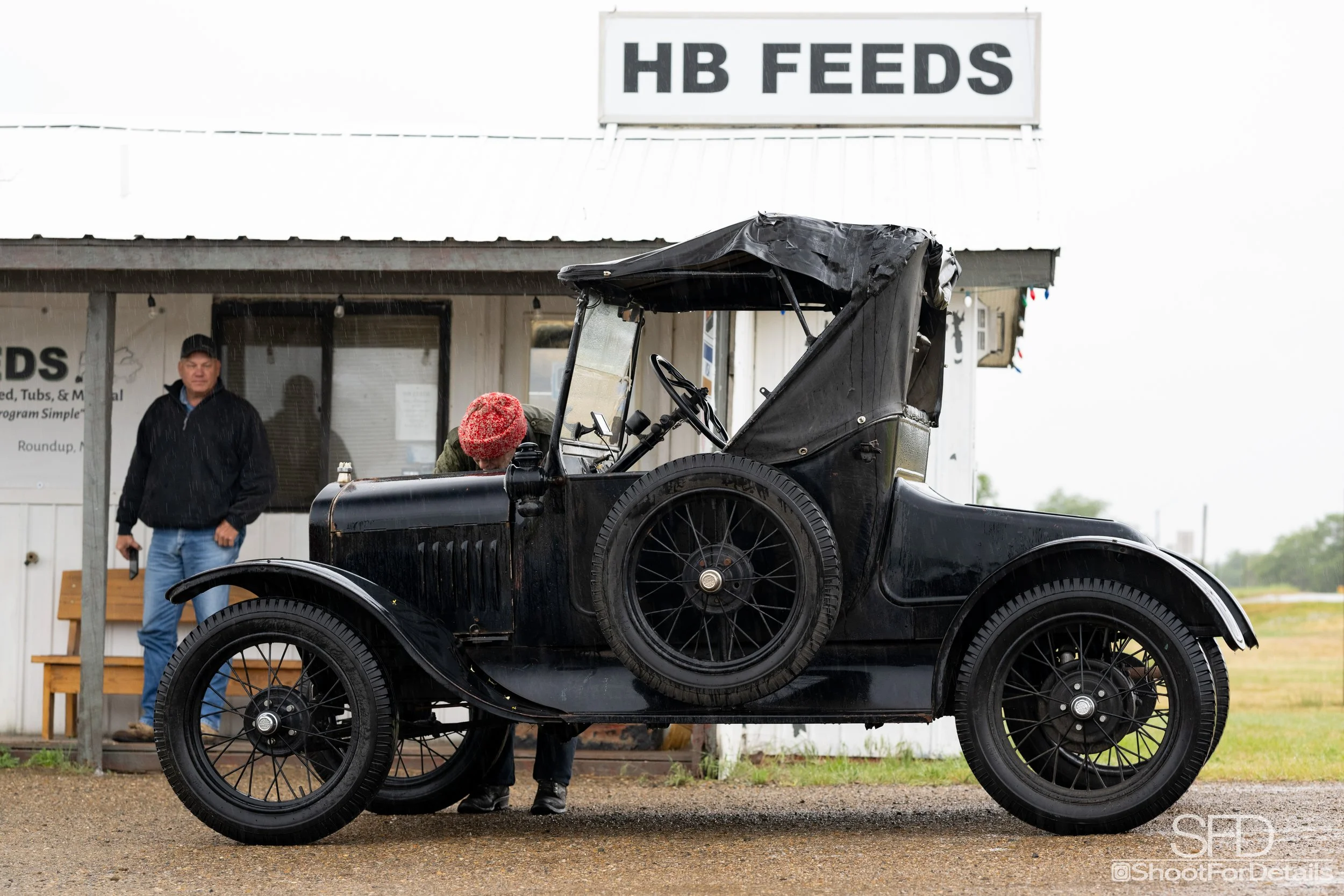
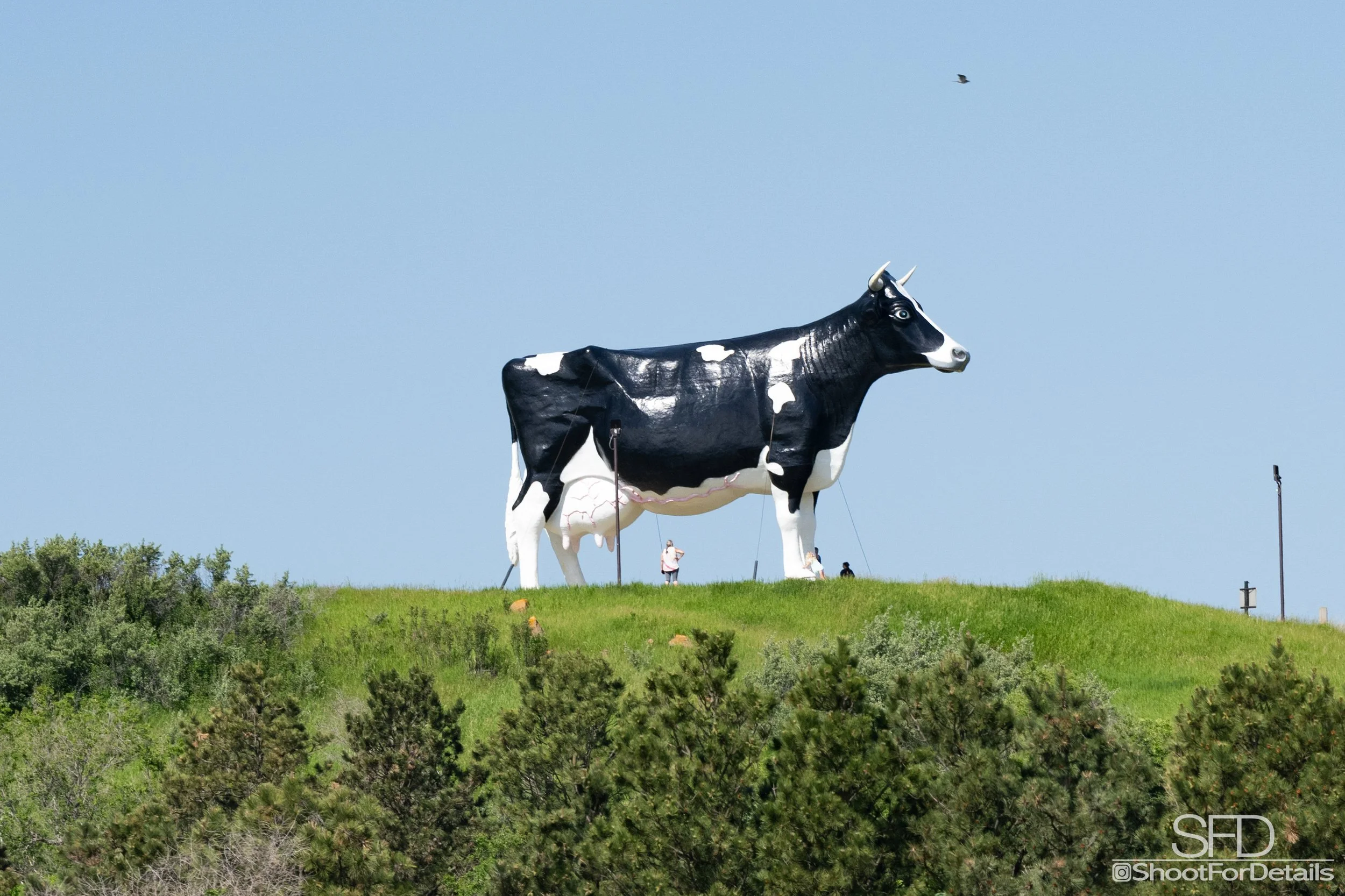
On the drive home, we stopped at Salem Sue, a massive cow statue overlooking the plains. It felt like the perfect way to end the trip. Everything out there feels a little bigger, a little slower, and a little more honest.
I would go back. I do not know if it will happen this year, but I would love to experience it again and bring my wife along. Trips like this are not always easy to line up, but the experience stays with you. Not because it was easy, but because it was not.