
The 5th Audrain Veteran Car Tour Brings Newport Back in Time
There are very few events where Newport, Rhode Island, completely transforms into another era. The 5th annual Audrain Veteran Car Tour was one of those mornings where Bellevue Avenue felt less like modern-day Newport and more like the dawn of motoring itself. Organized by Audrain Automobile Museum, the Veteran Tour celebrates the machines that laid the foundation for the automotive world we know today. Inspired by the famous London-to-Brighton Veteran Car Run, these brass-era automobiles are not hidden away inside collections — they are exercised exactly as intended.
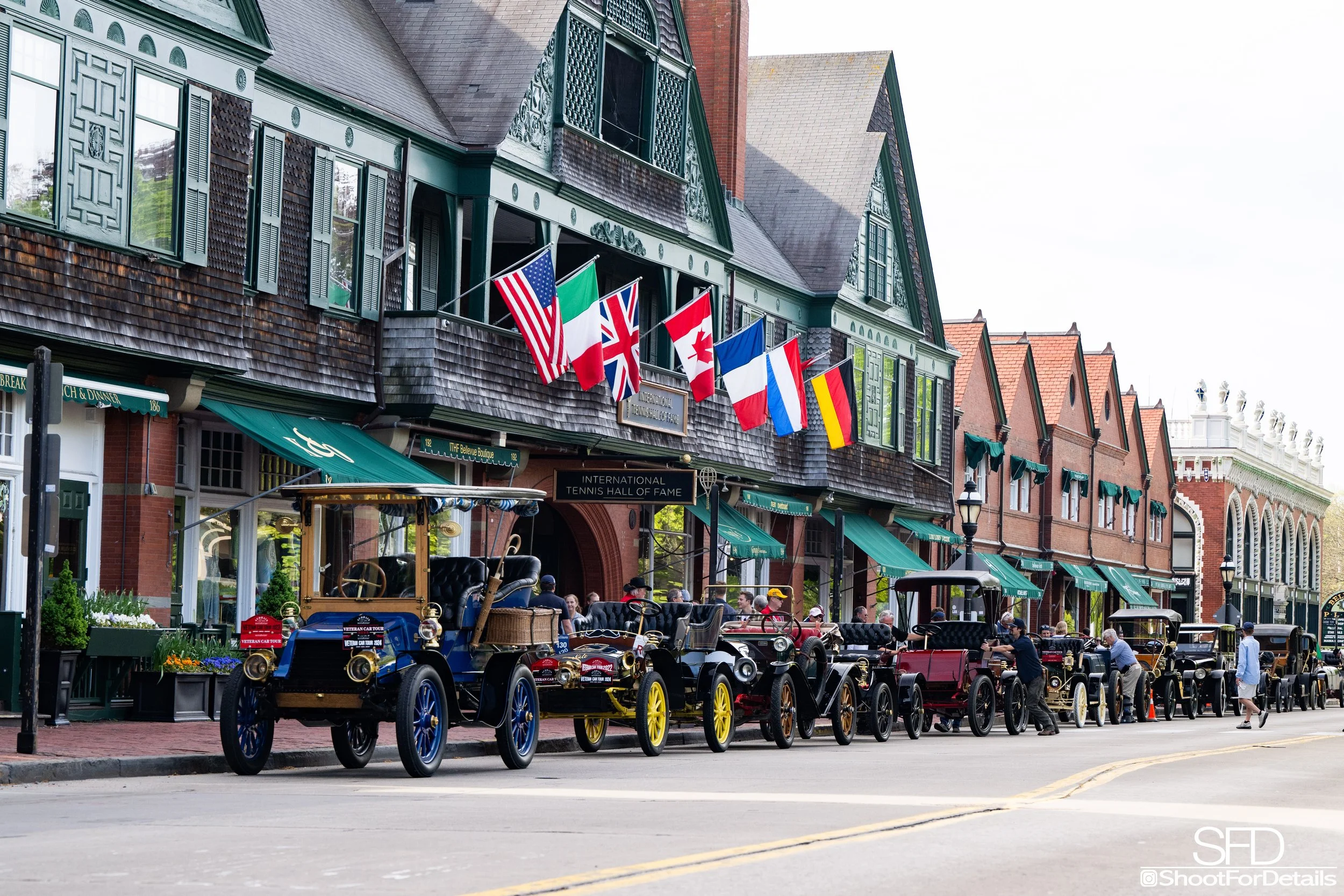
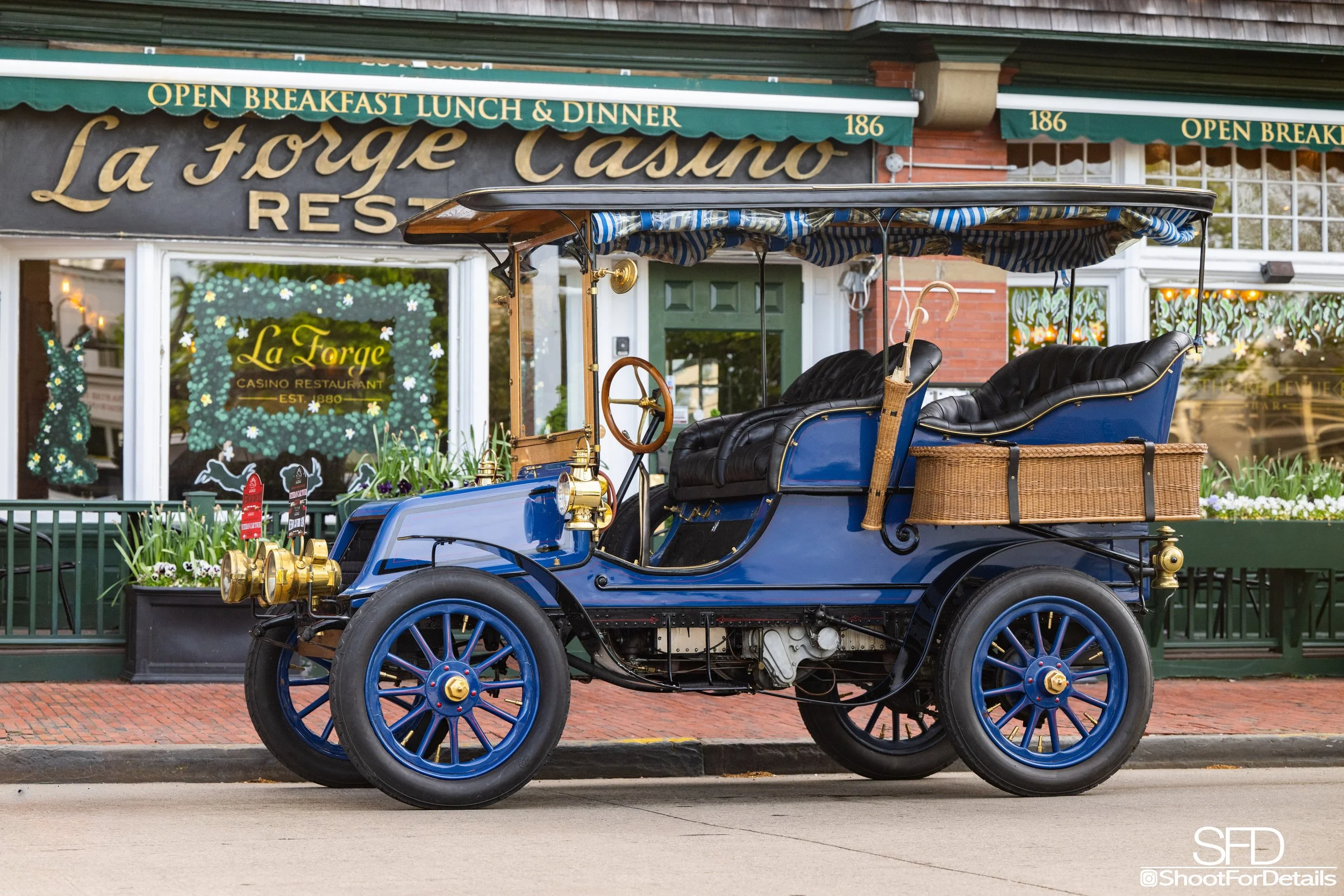
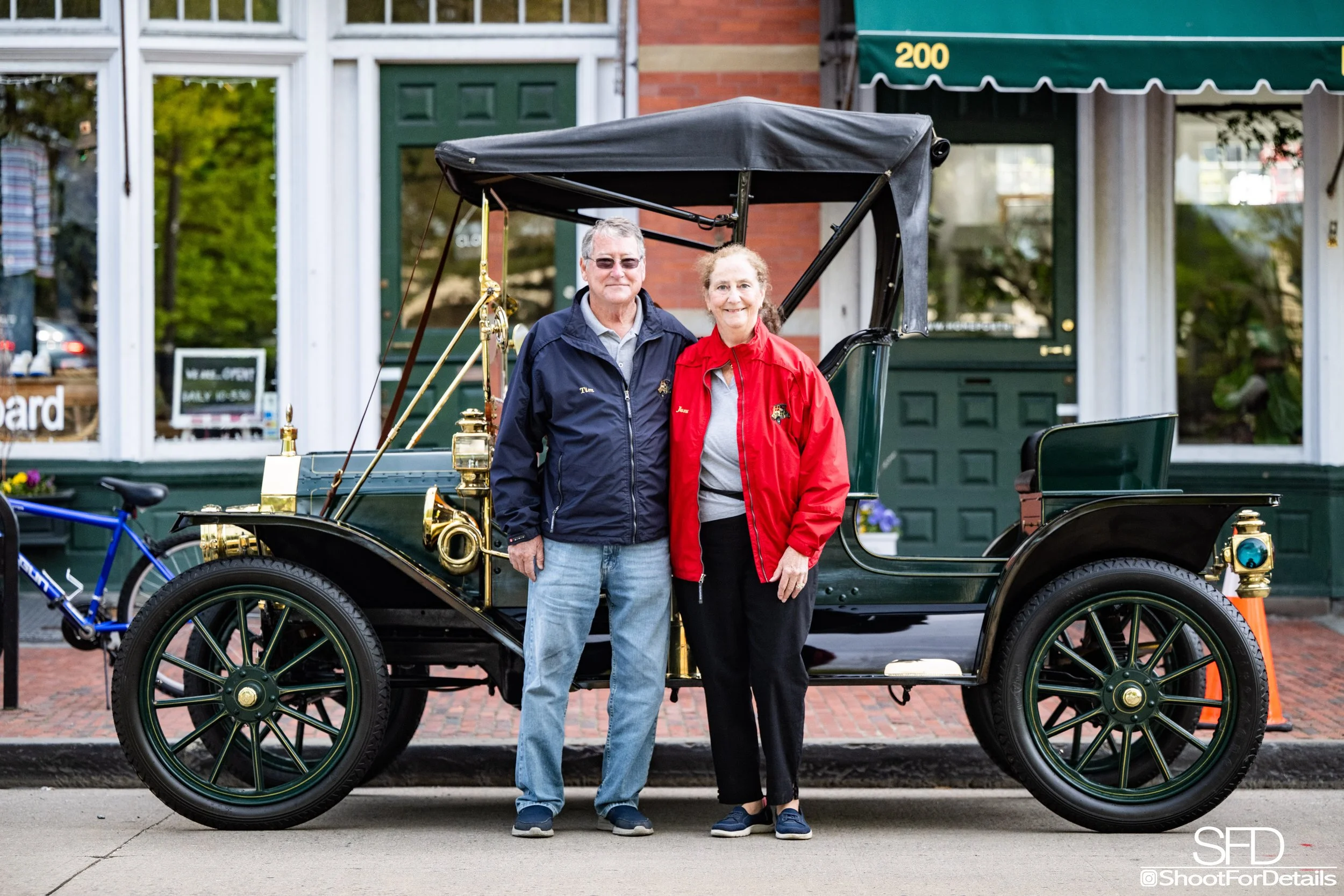
I arrived around 7:30 AM while the city was still waking up. One of the first cars to grab my attention was Evan Ide’s 1908 Panhard Type Q, a machine with an incredible history. The car had previously raced in Mexico and remained competitive well into the 1920s, which speaks volumes about both the engineering and durability of these early automobiles. Standing near it, you quickly realize these are not delicate museum pieces. They were built to survive rough roads, endurance events, and long-distance touring during an era where reliability was never guaranteed.
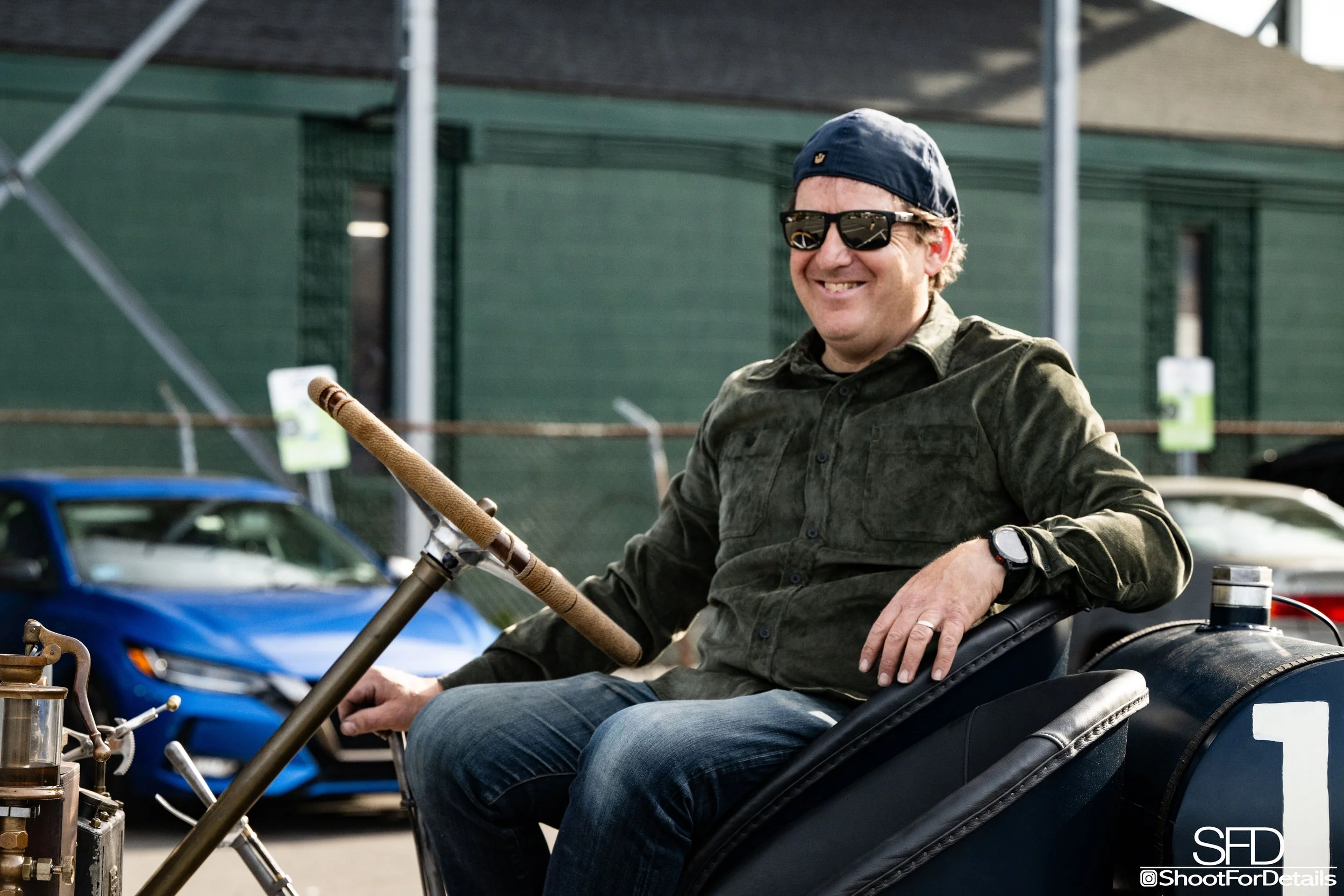
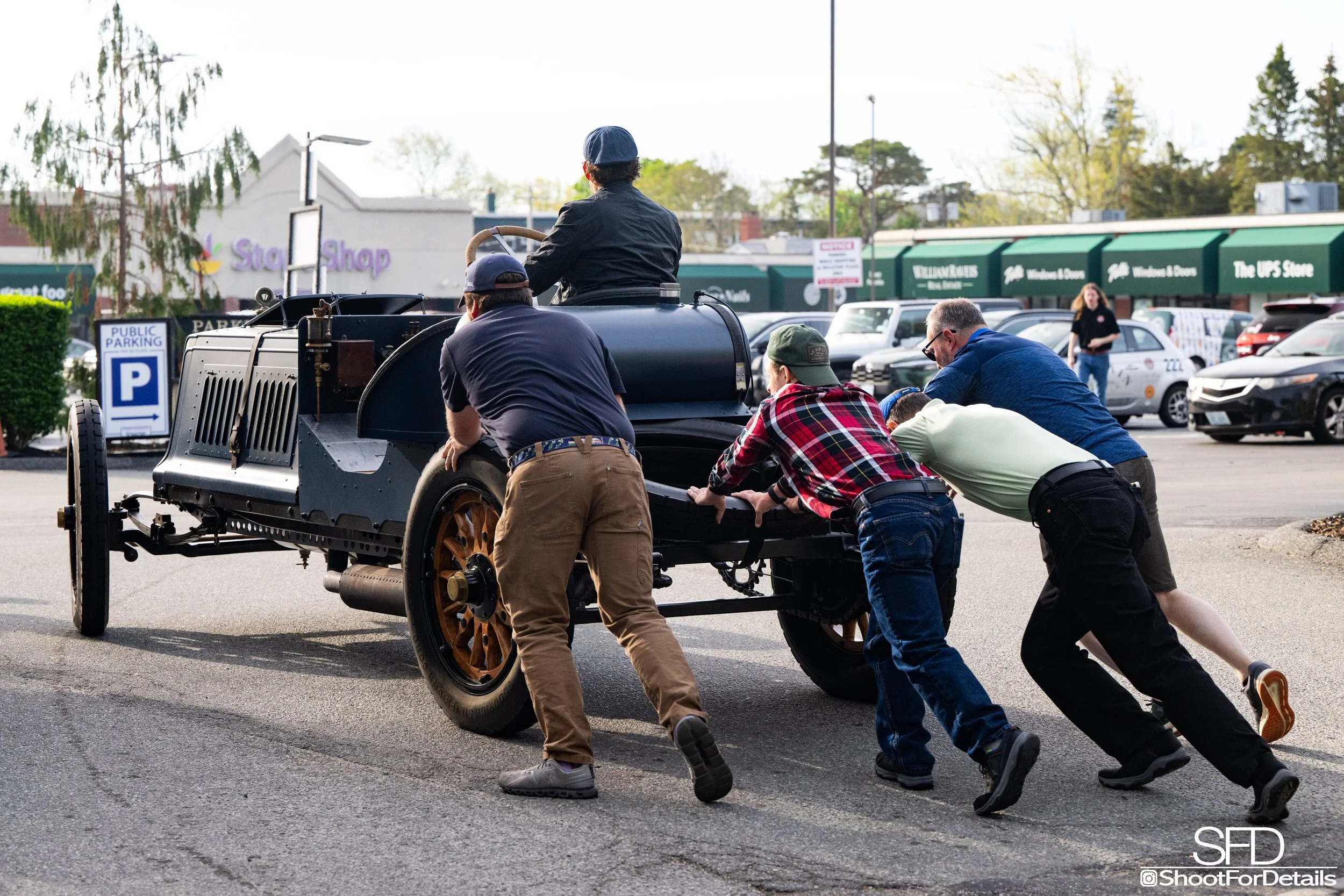
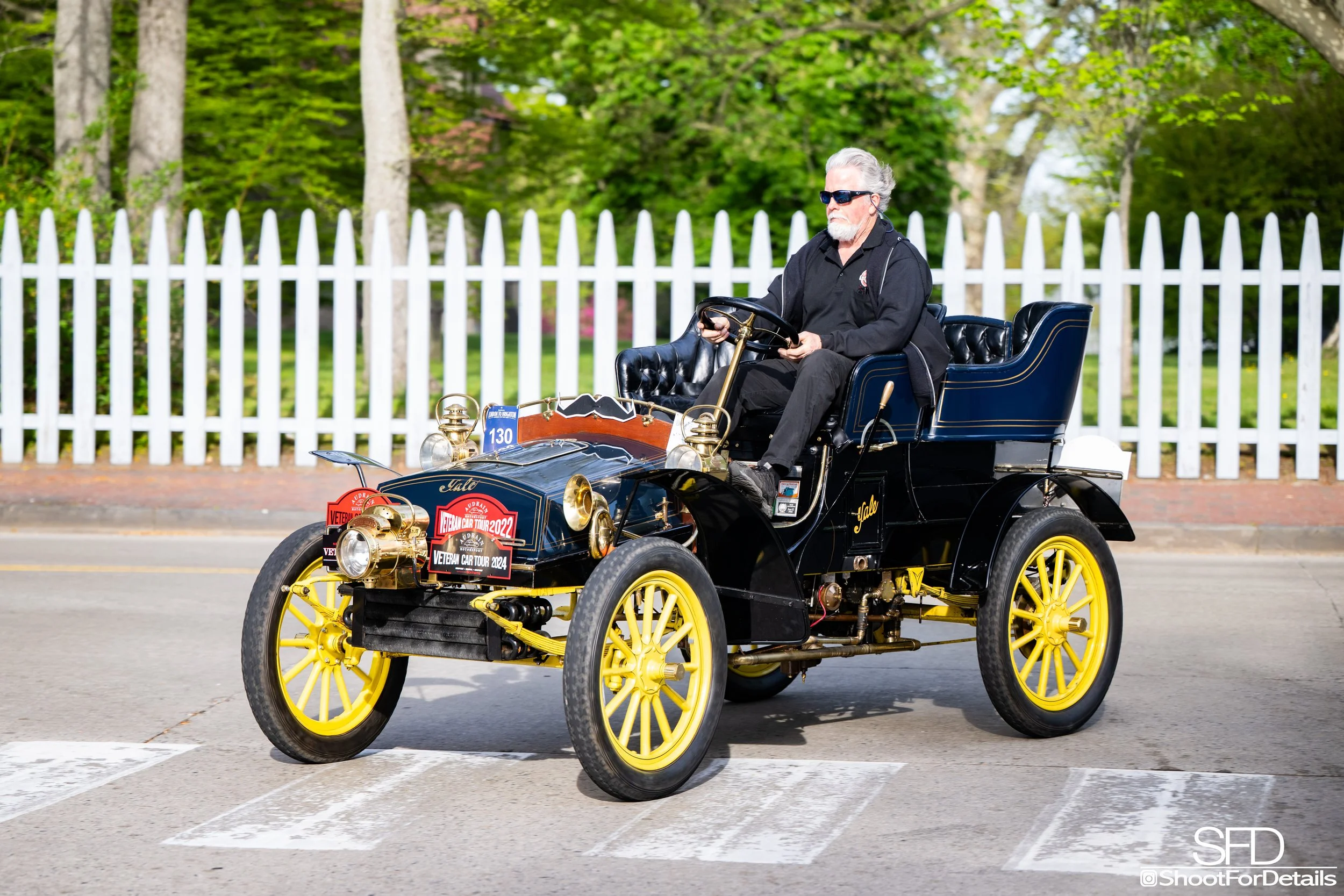
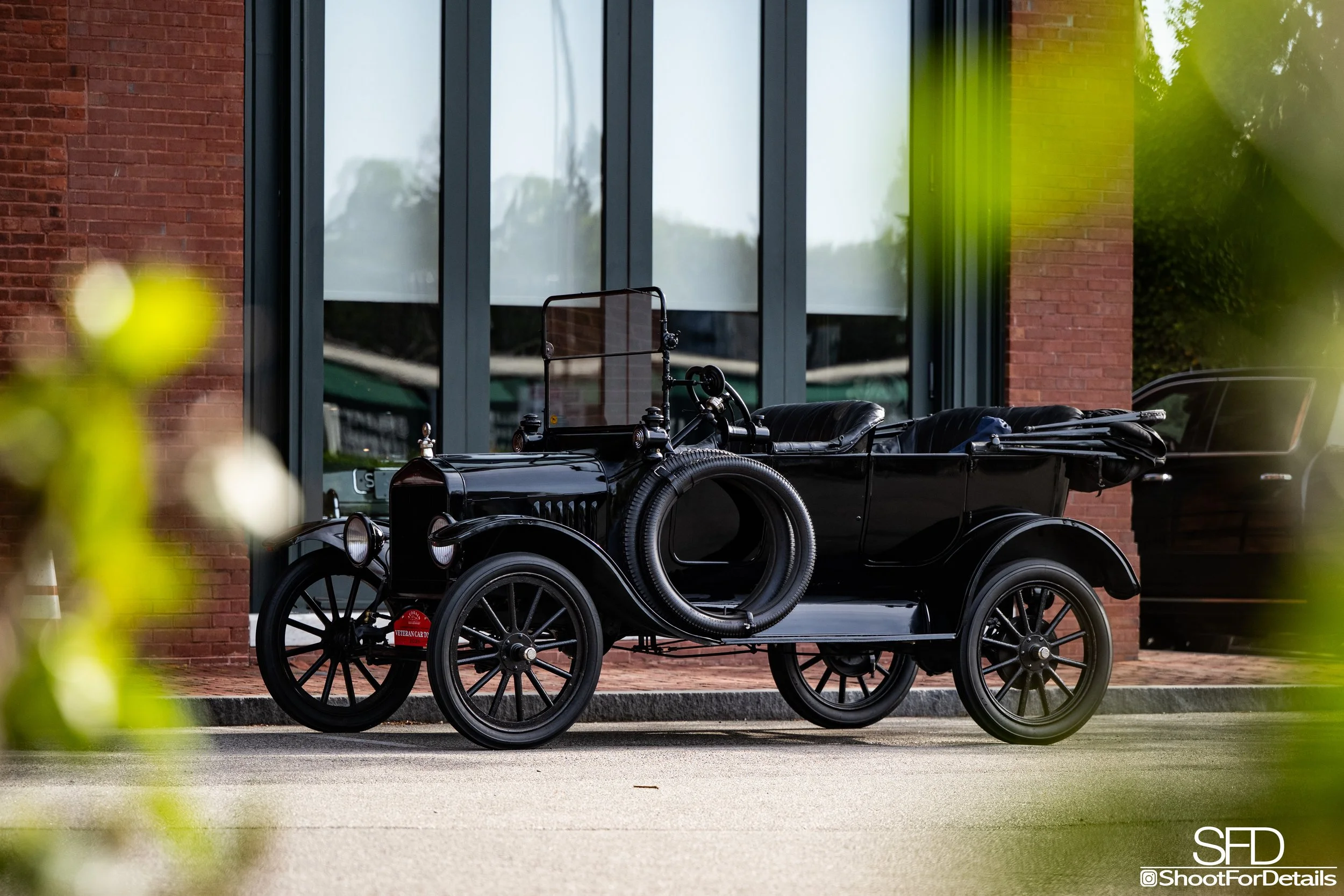
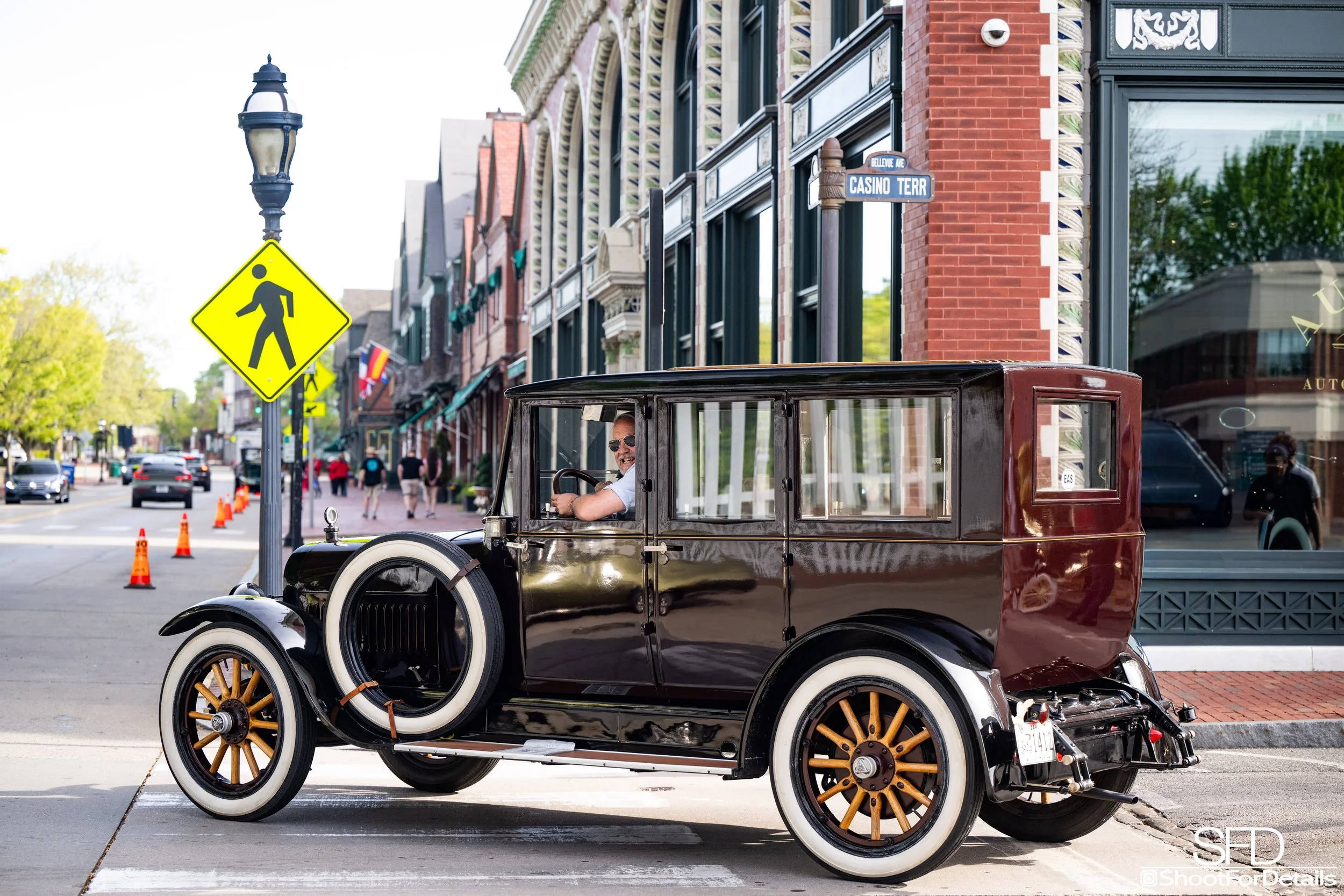
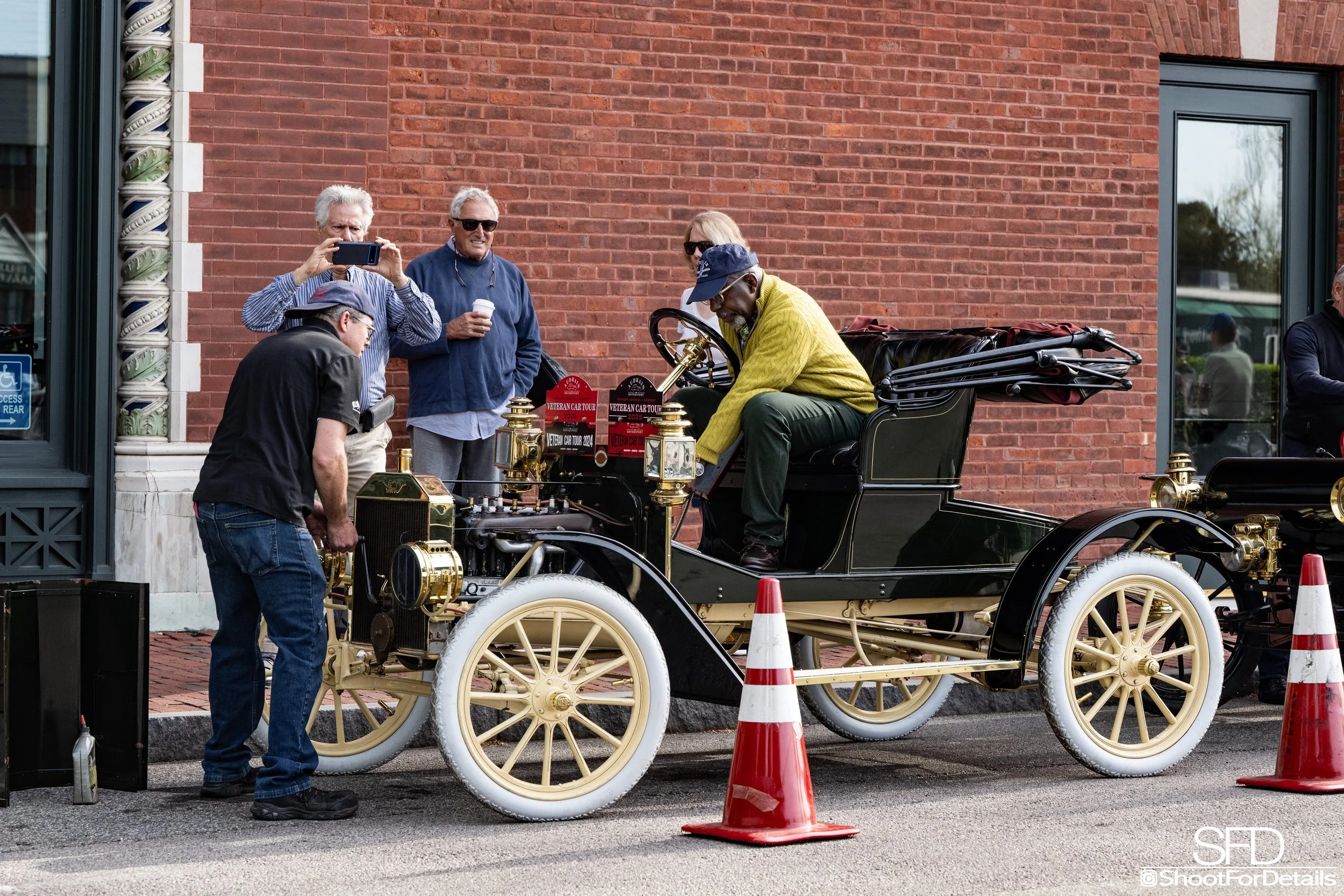
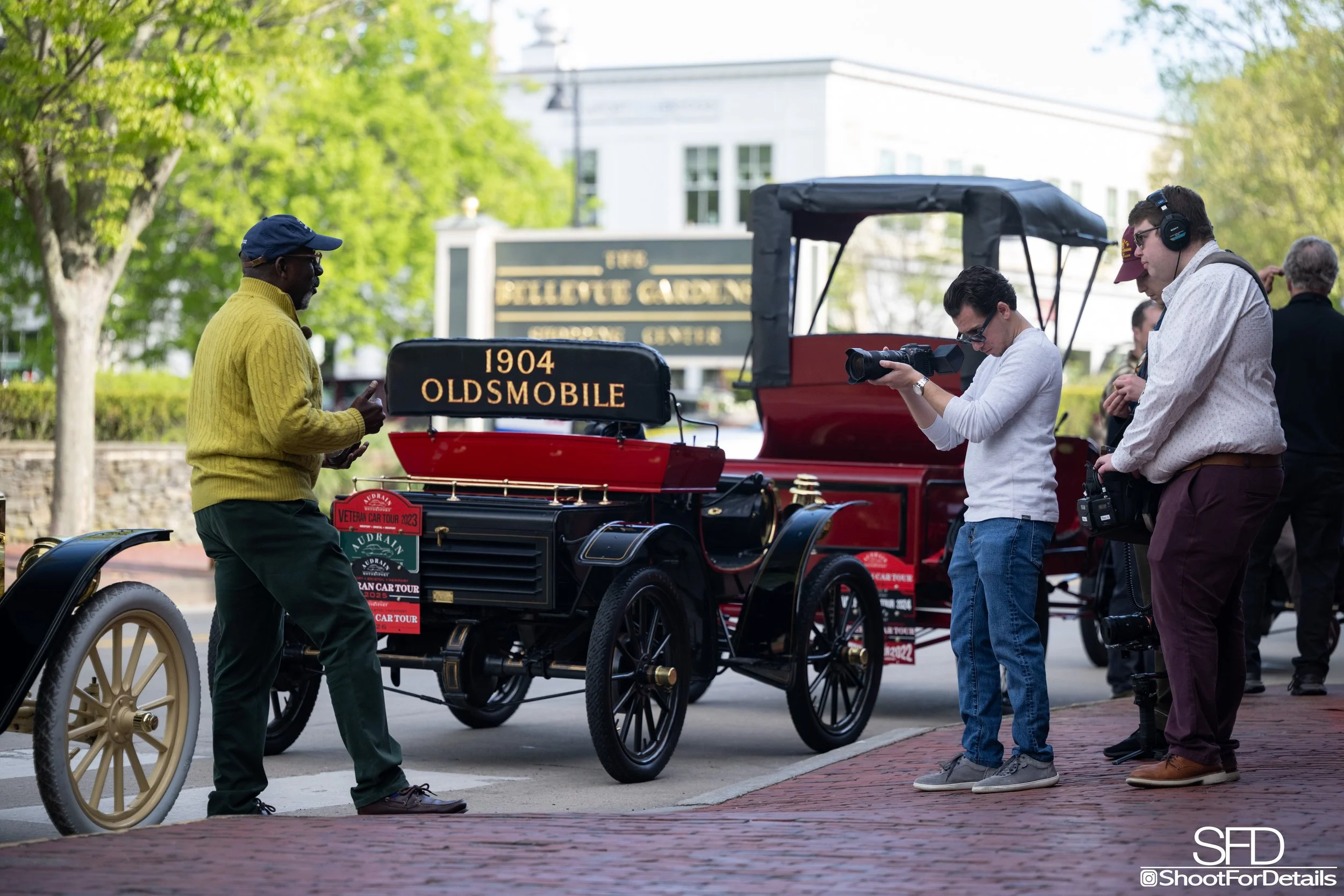
Nearby, Donald Osborne was hard at work trying to get a 1904 Oldsmobile running. Unlike modern cars, where turning a key is second nature, this required physically cranking the engine by hand. That would become a recurring theme throughout the day, especially at intersections where the Oldsmobile occasionally needed another round of persuasion before continuing. Traffic would stack up behind the tour while spectators watched history unfold in real time.
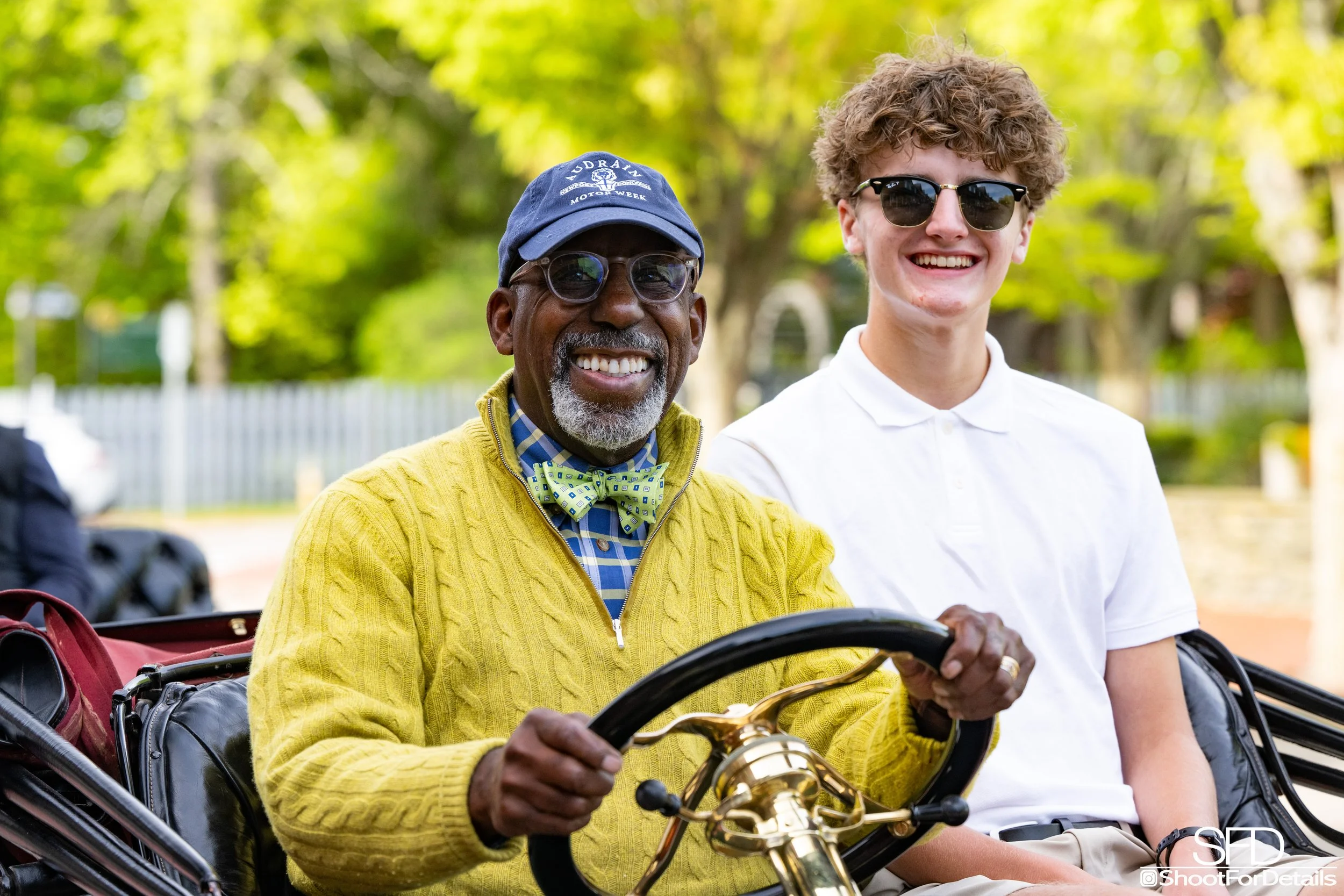
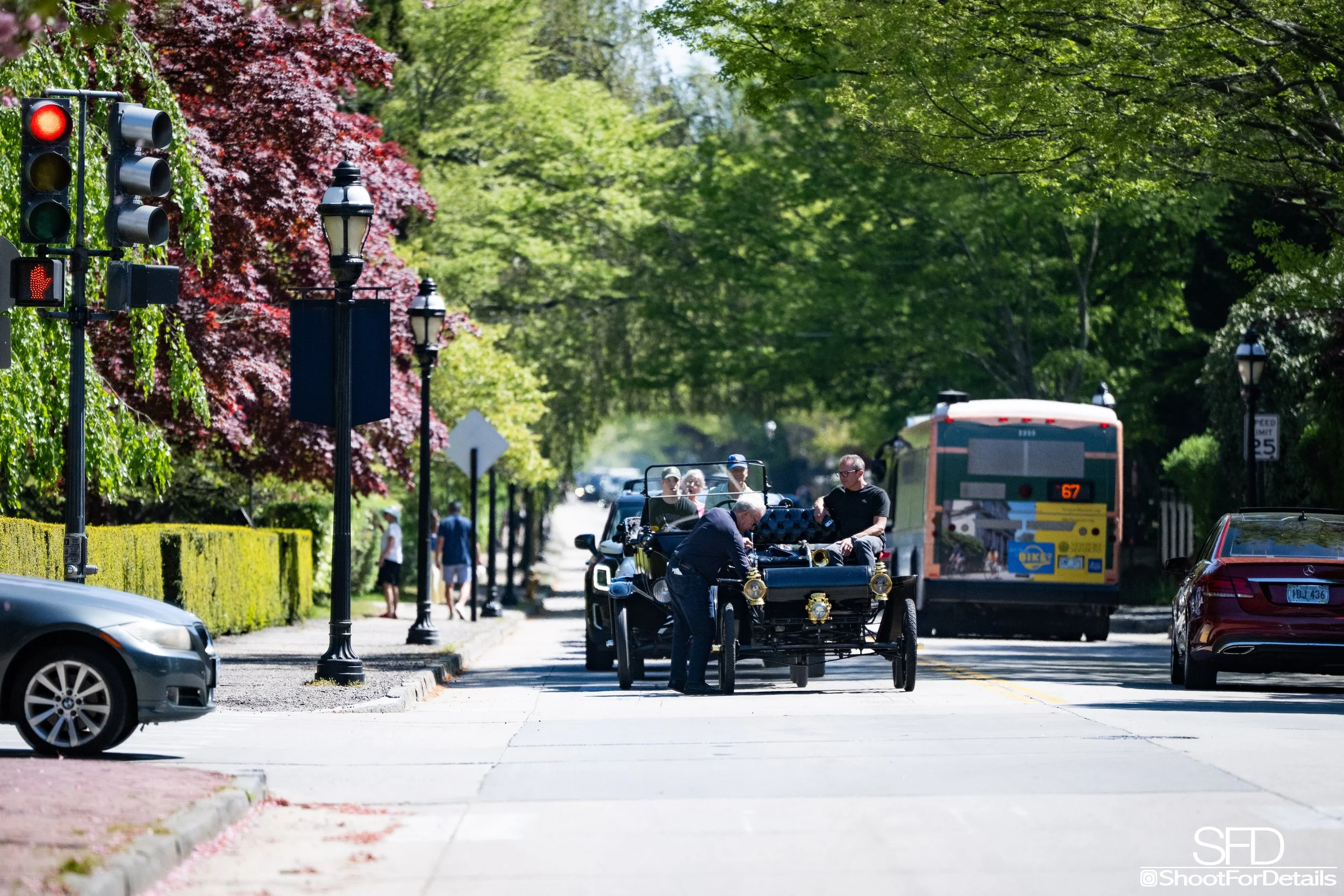
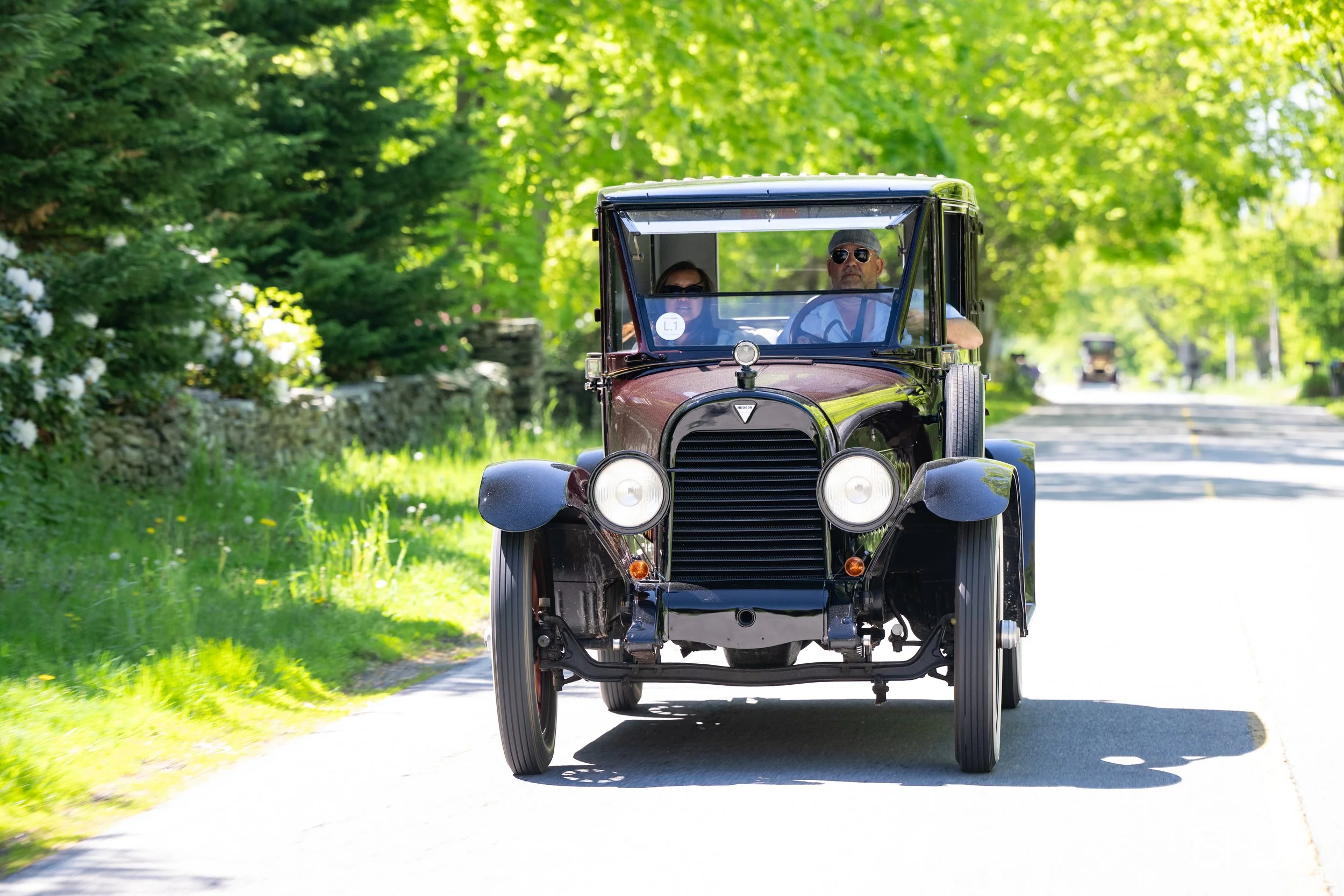
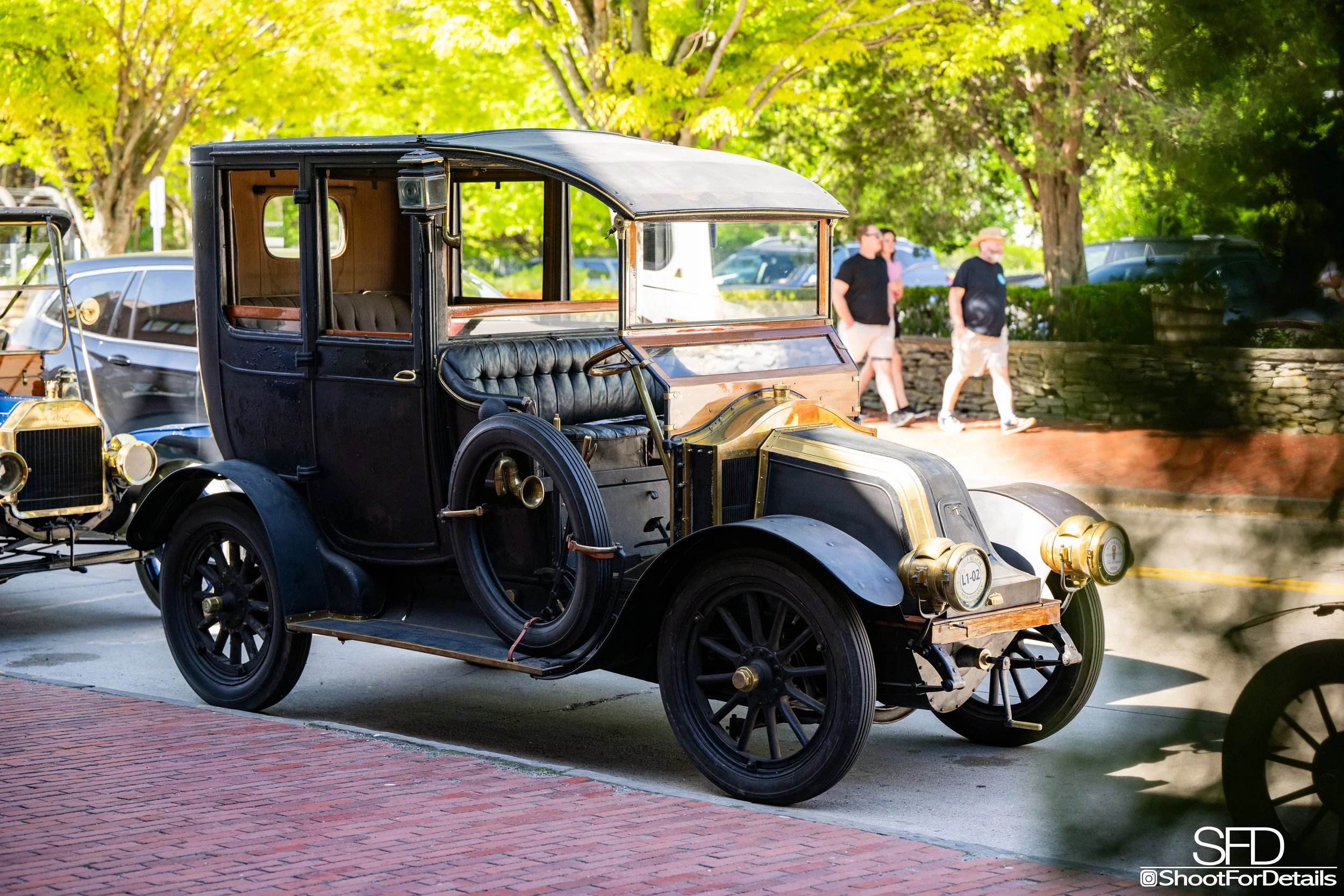
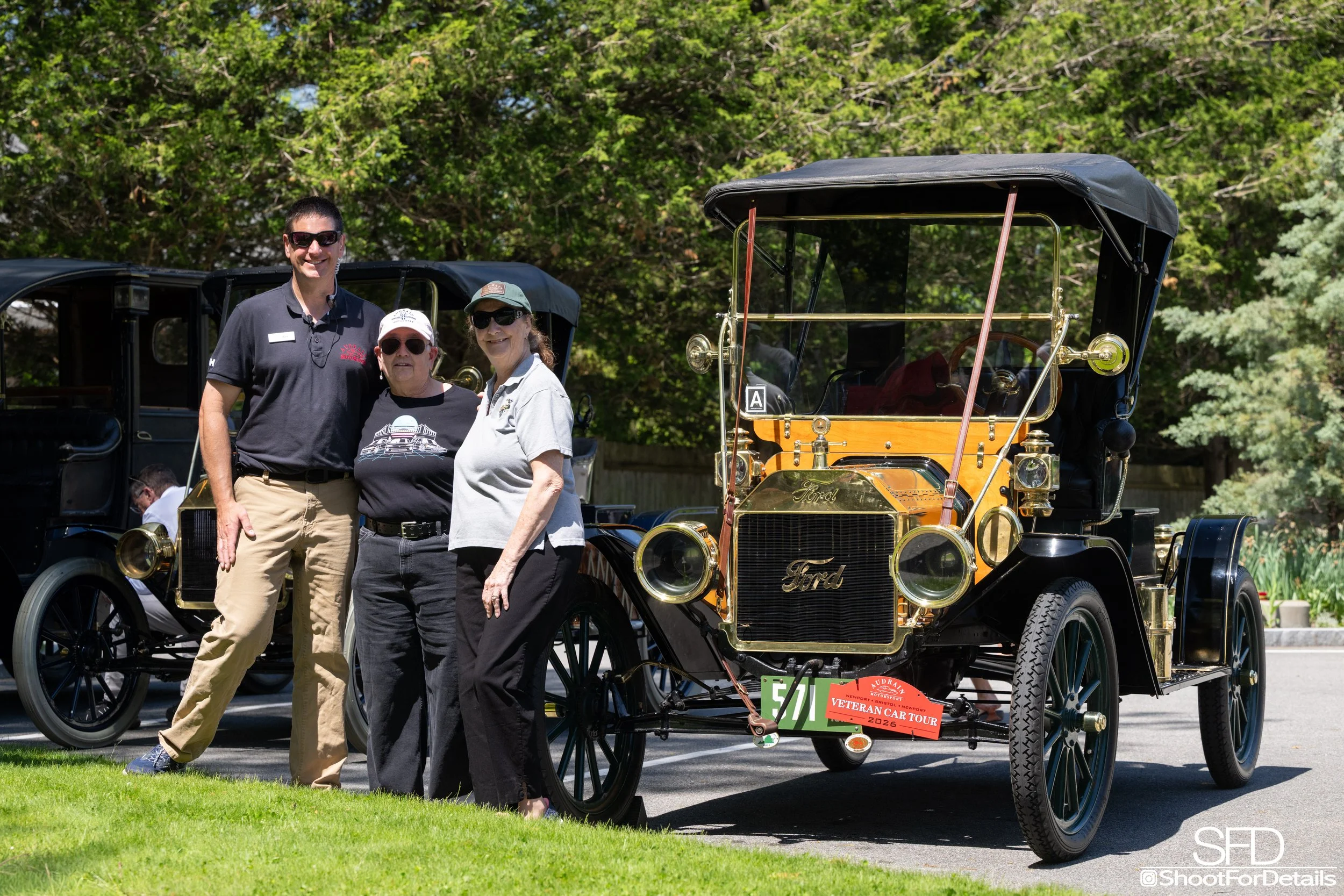
Every year, I find myself thinking the same thing: why don’t we start earlier in the morning, before Newport traffic fully comes alive? But then I remind myself that the traffic and interaction with the public are part of what makes this event important. Newport’s streets become a moving automotive museum. Tourists who may have no interest in cars suddenly stop in disbelief, watching 120-year-old machines crawl uphill beside modern traffic. Of course, not everyone is patient. Some drivers become irritated when traffic slows to a crawl behind these veteran cars, especially on steep inclines where horsepower from another century starts to show its limitations. Still, that tension almost becomes part of the spectacle itself — modern life temporarily interrupted by rolling history.
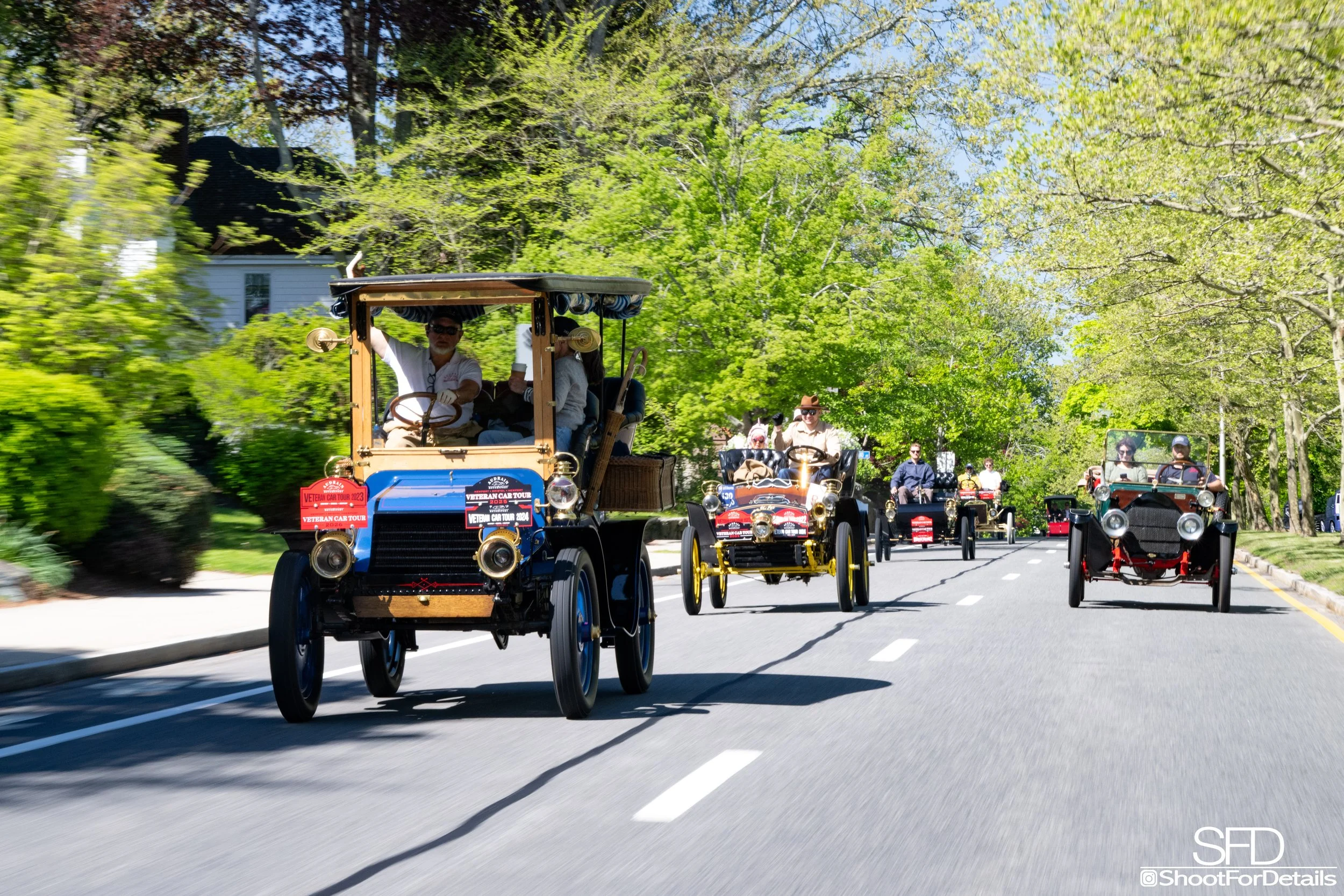
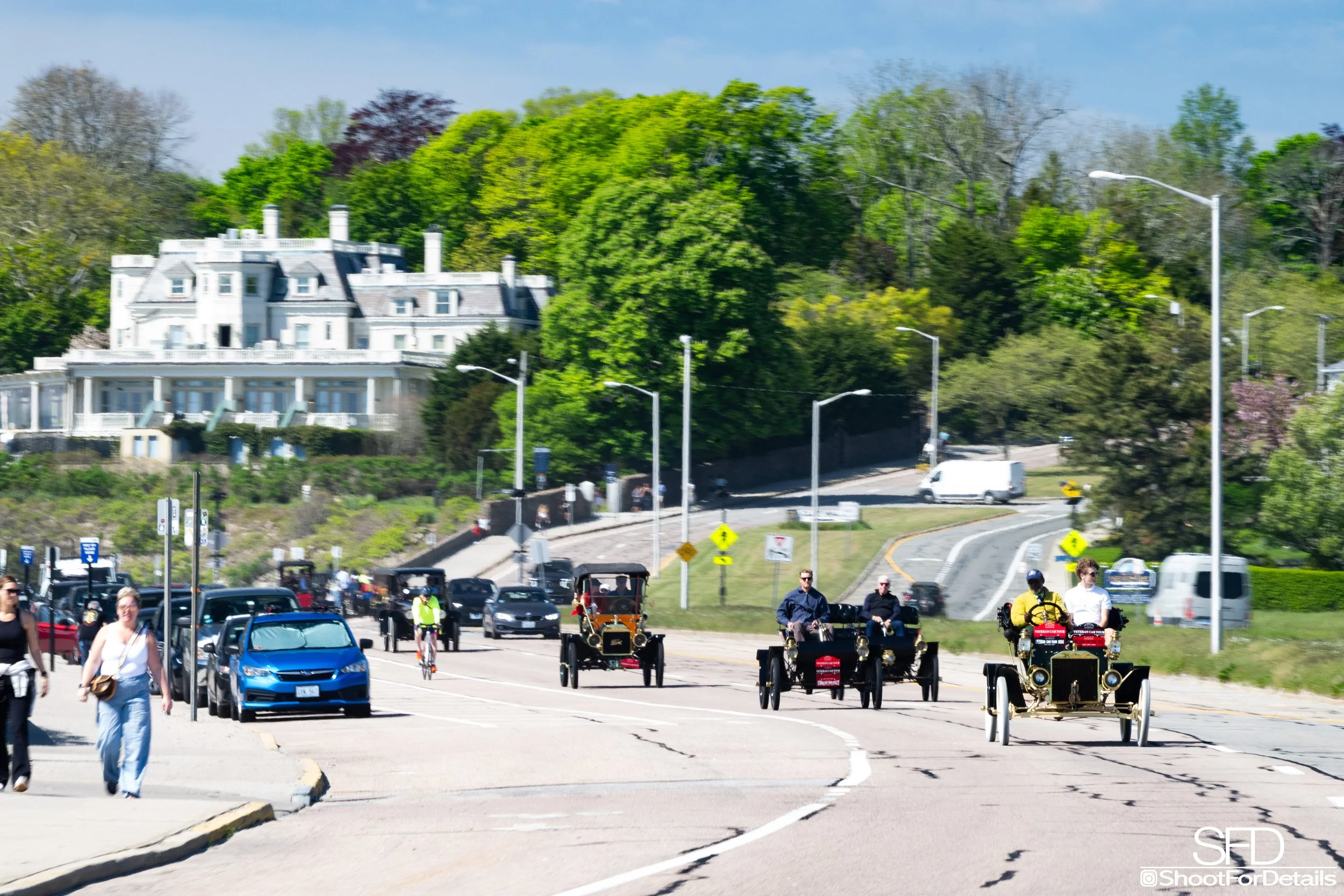
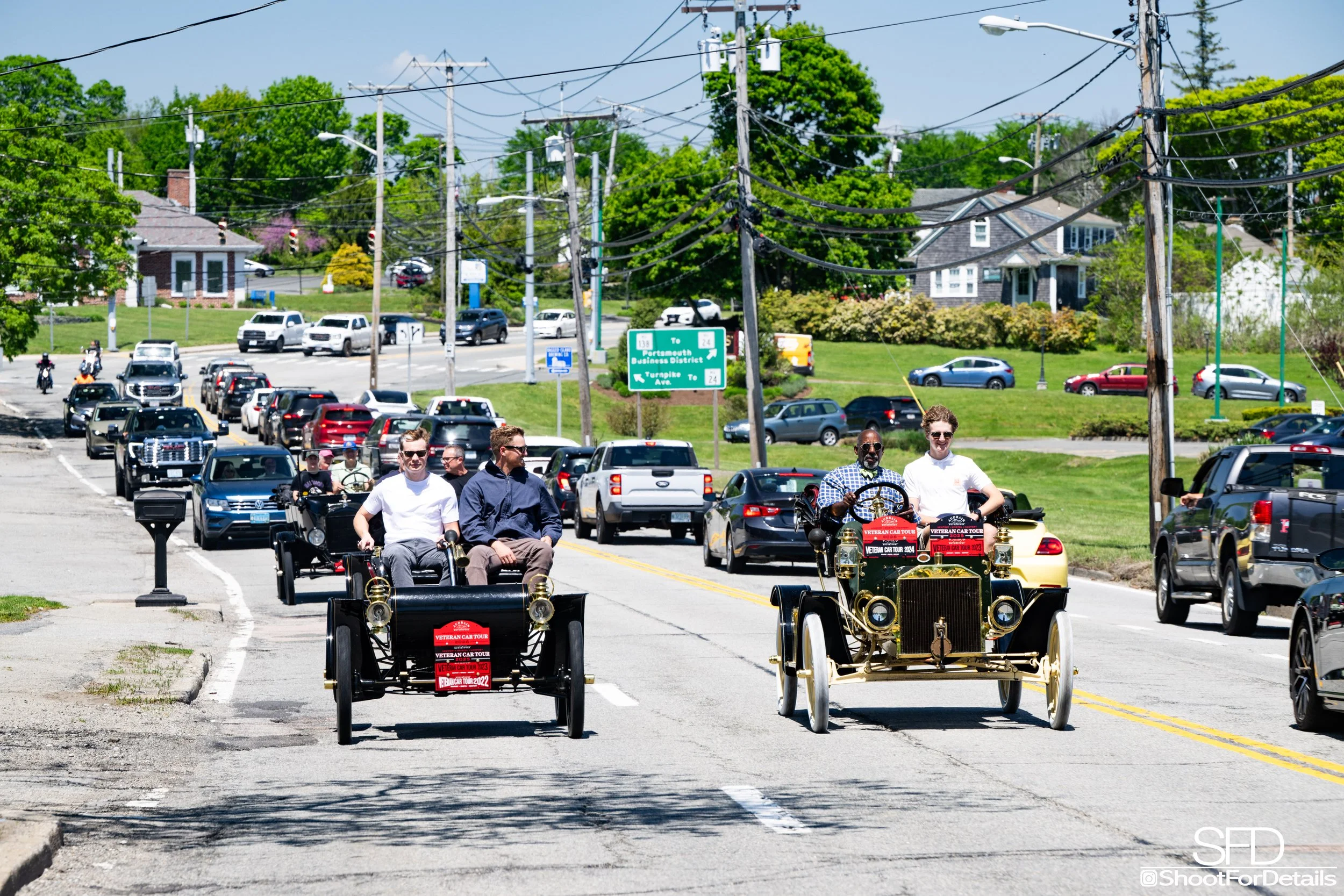
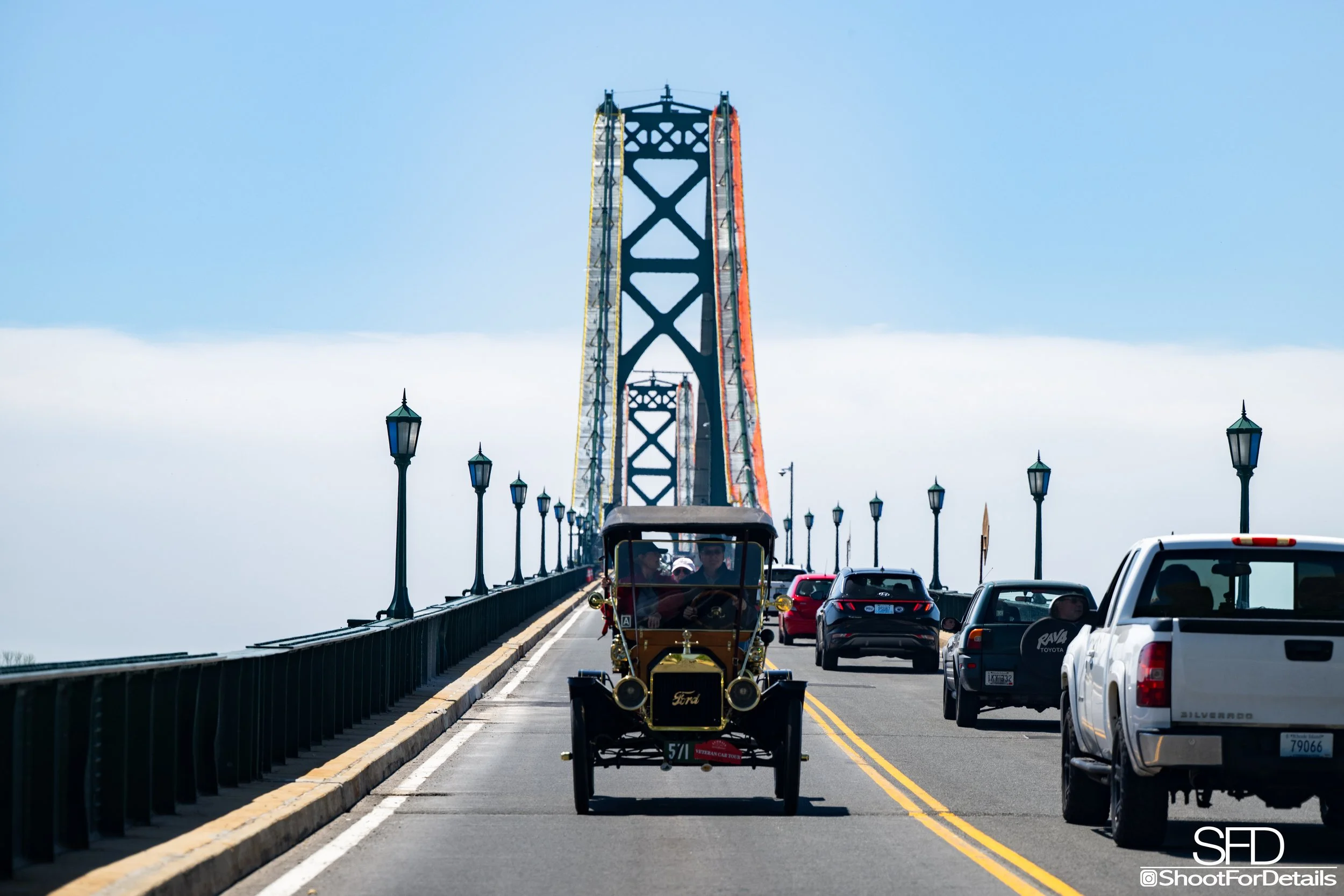
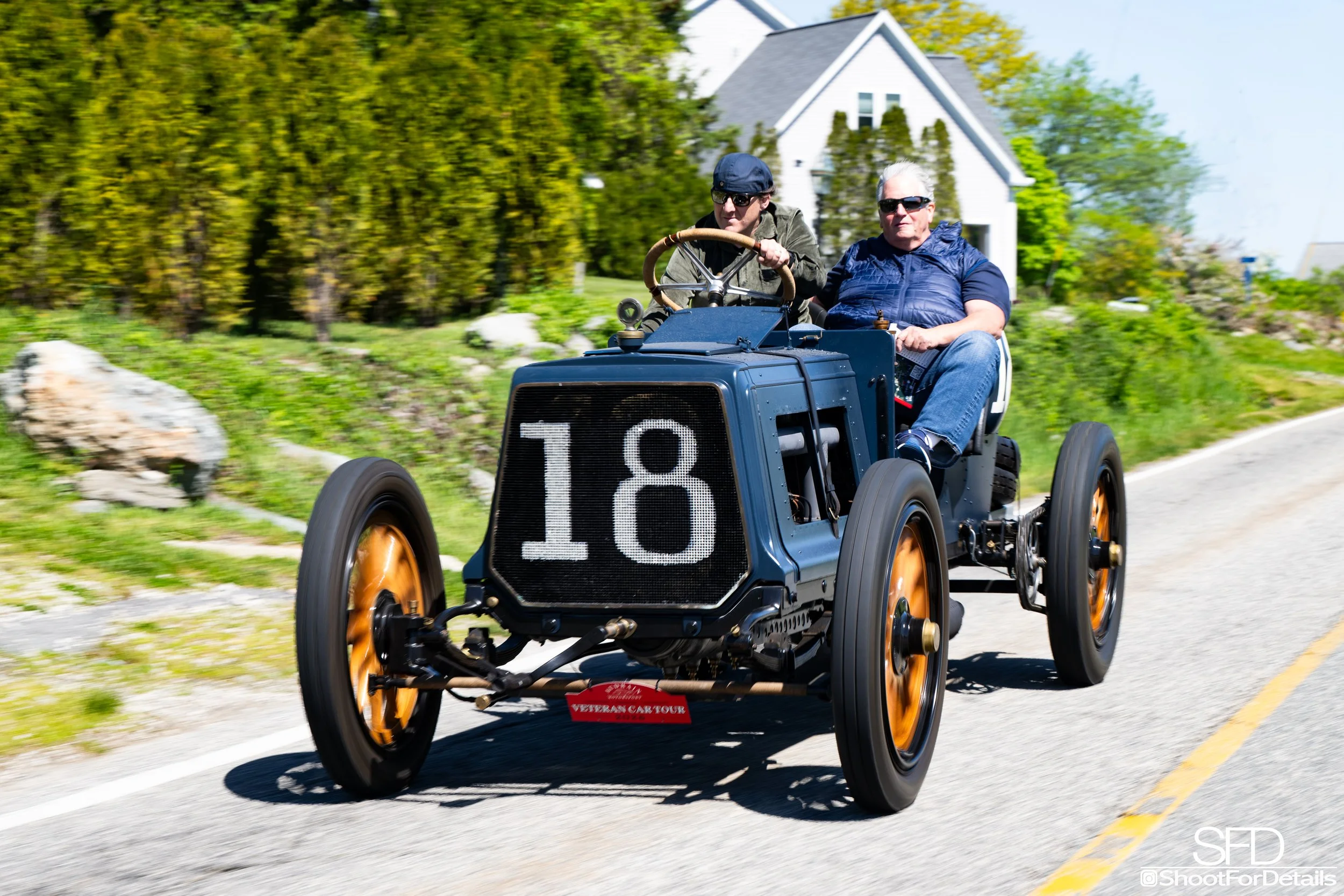
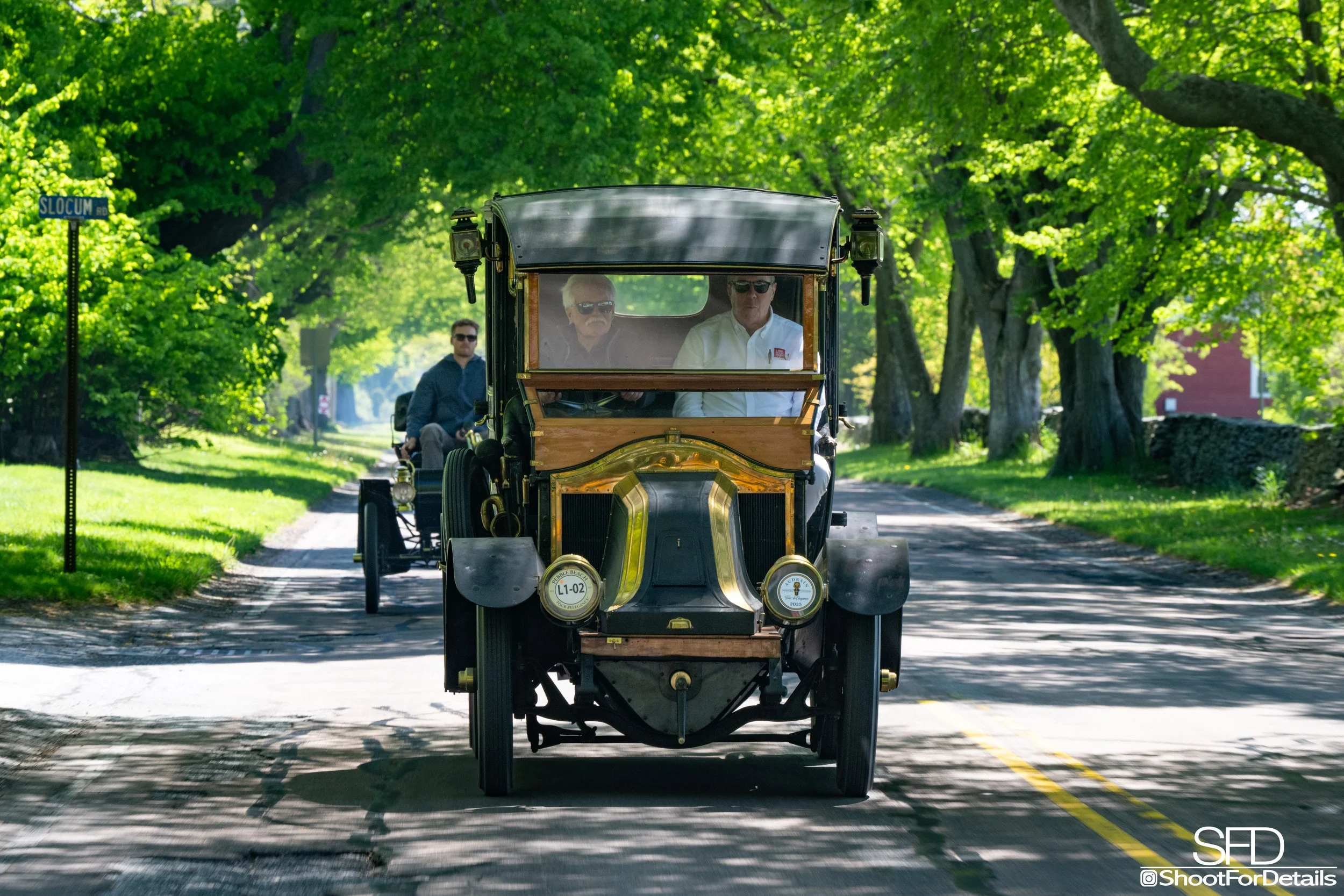
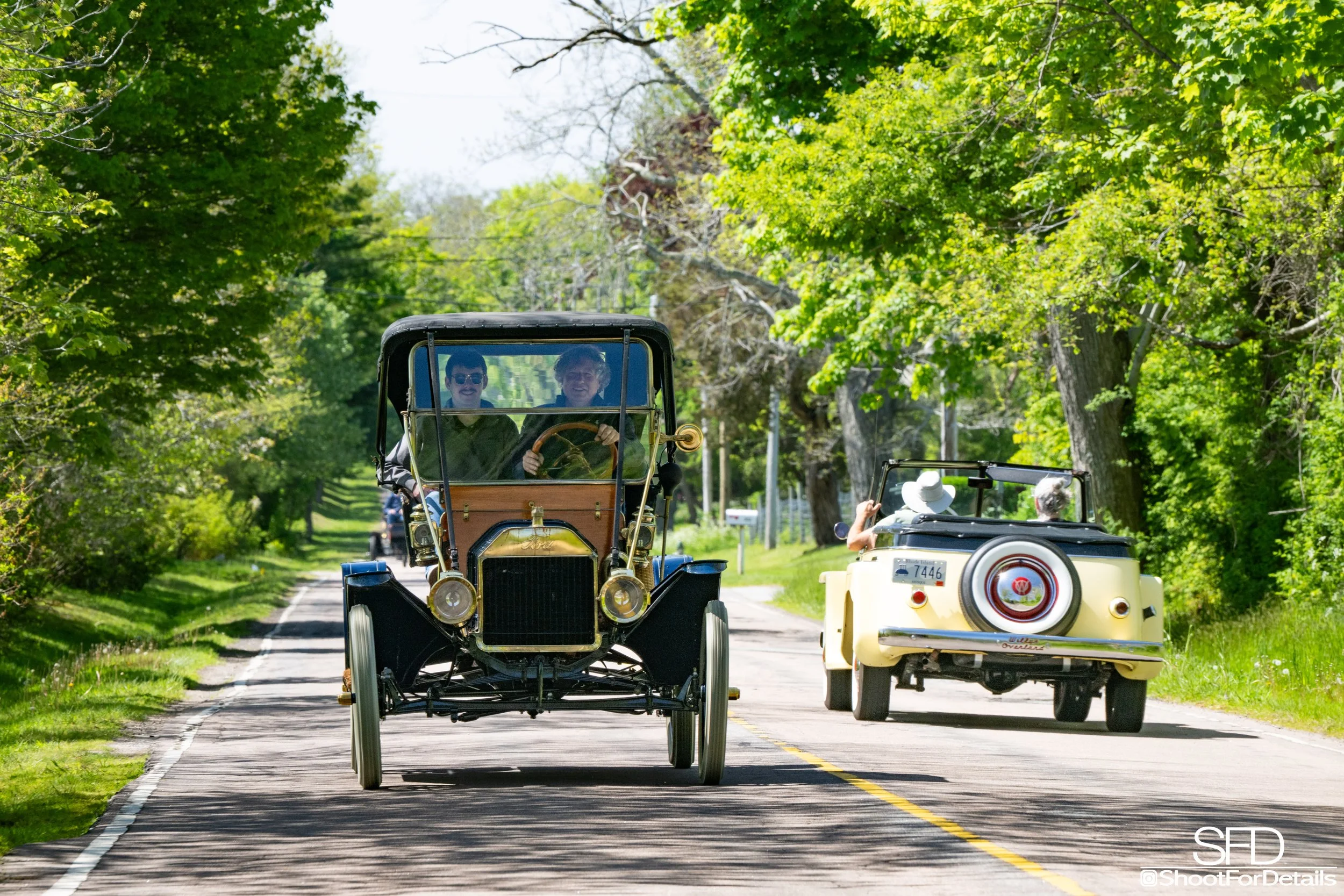
What surprises most people is how capable these cars actually are. On flat roads, many of them comfortably keep pace with posted speed limits. Hills are their true enemy, but otherwise, they continue moving with impressive determination considering their age.
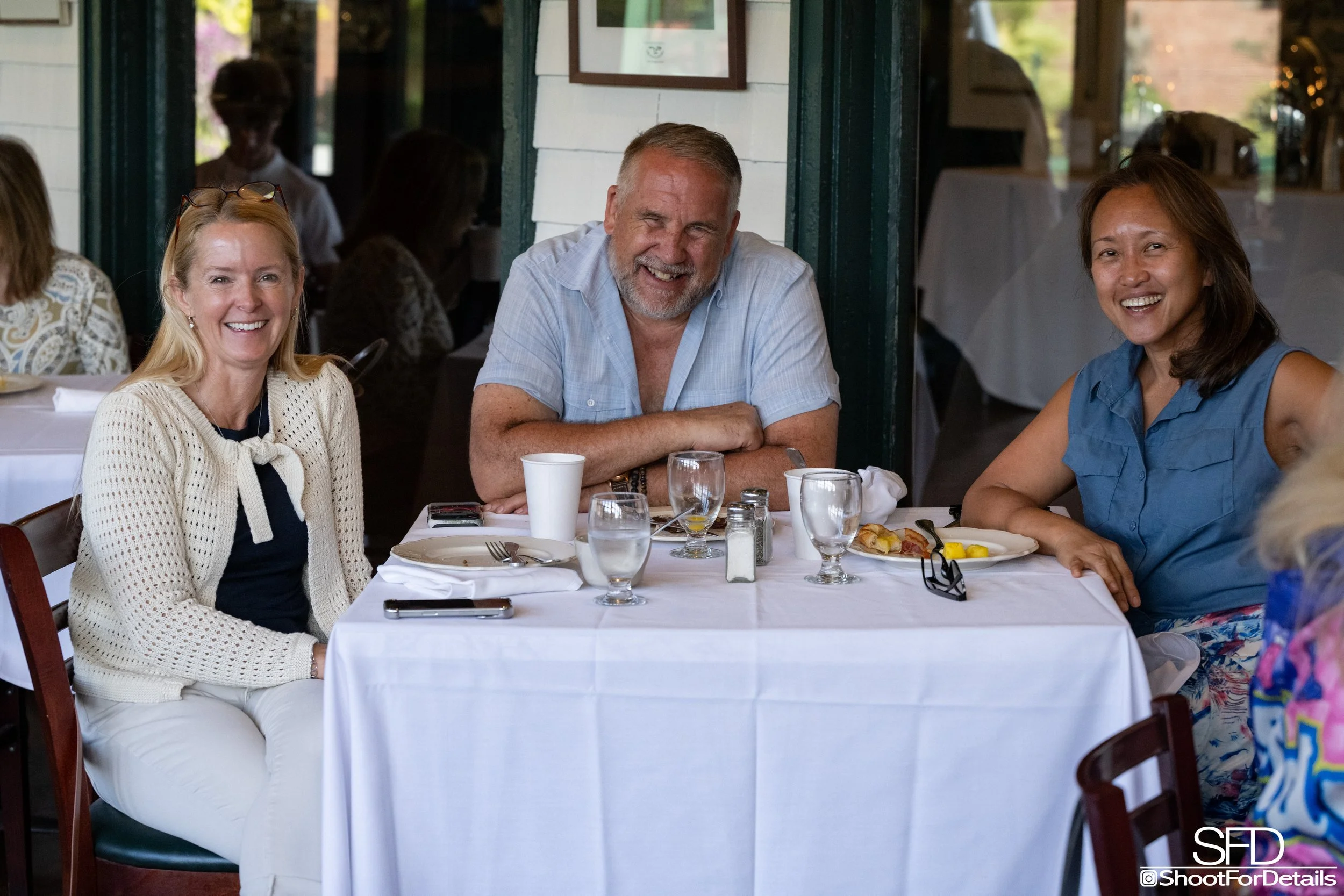
Before departing, drivers gathered for breakfast at the La Forge Casino Restaurant on Bellevue Avenue. It has become a perfect tradition for the event. A quick breakfast, coffee, and conversation before spending the day exposed to the elements with the wind constantly blowing across your face from open-air cockpits.
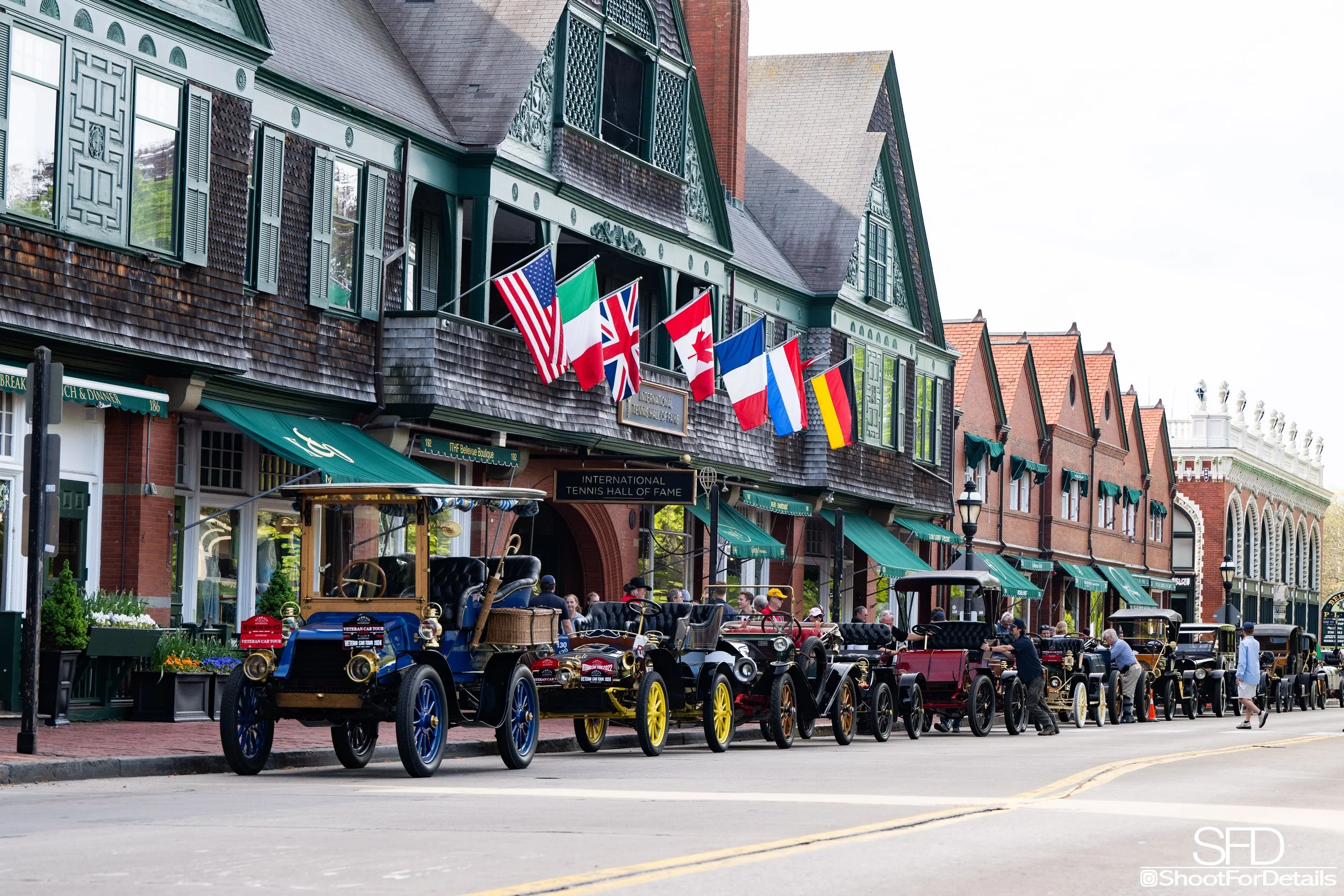
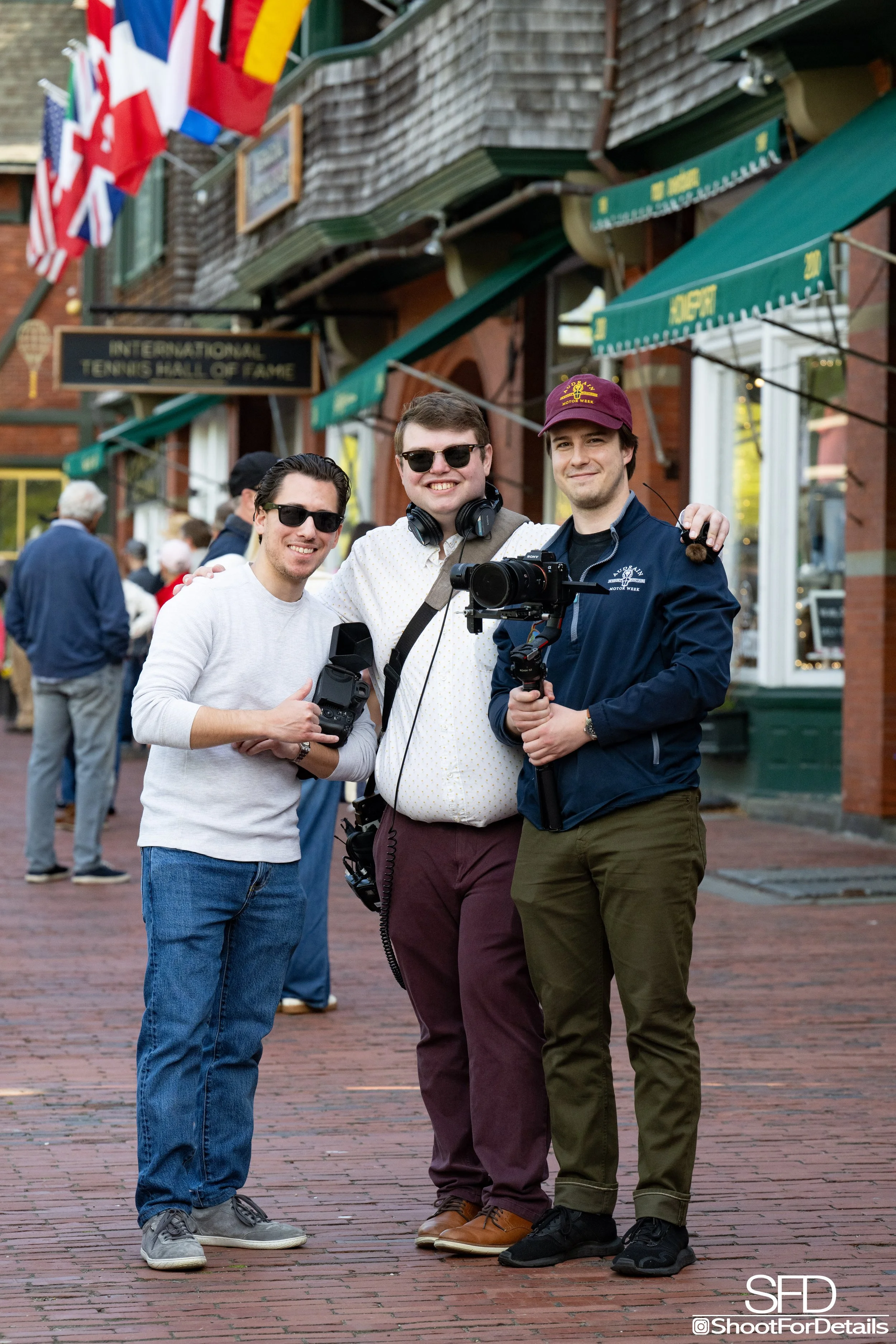
Photographing for the museum is always something I’m grateful for, and this event is one of the highlights of the season. This year, I was part of the three-man media team behind the Instagram account “driversseatwithabs.” We spent the day filming and photographing from the back of a Suburban with the liftgate open, strapped in with full harnesses while chasing century-old cars across Aquidneck Island.
Antonio handled the driving duties flawlessly while Stevie and I continuously barked directions from the rear, trying to line up the perfect shots. Thankfully, this was far from their first rodeo. Everyone knew their role, which made the entire process much smoother while moving through active traffic and unpredictable road conditions.
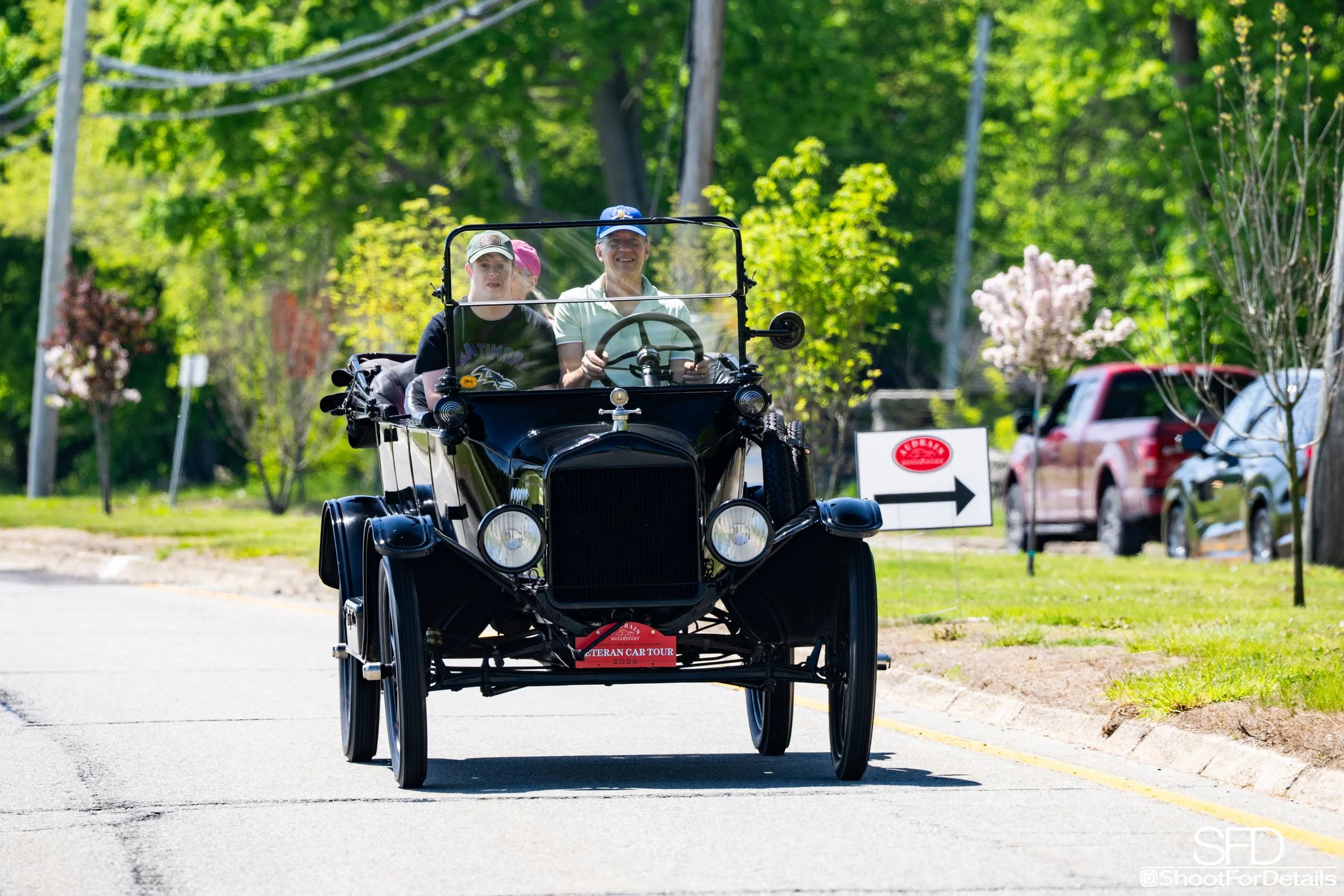
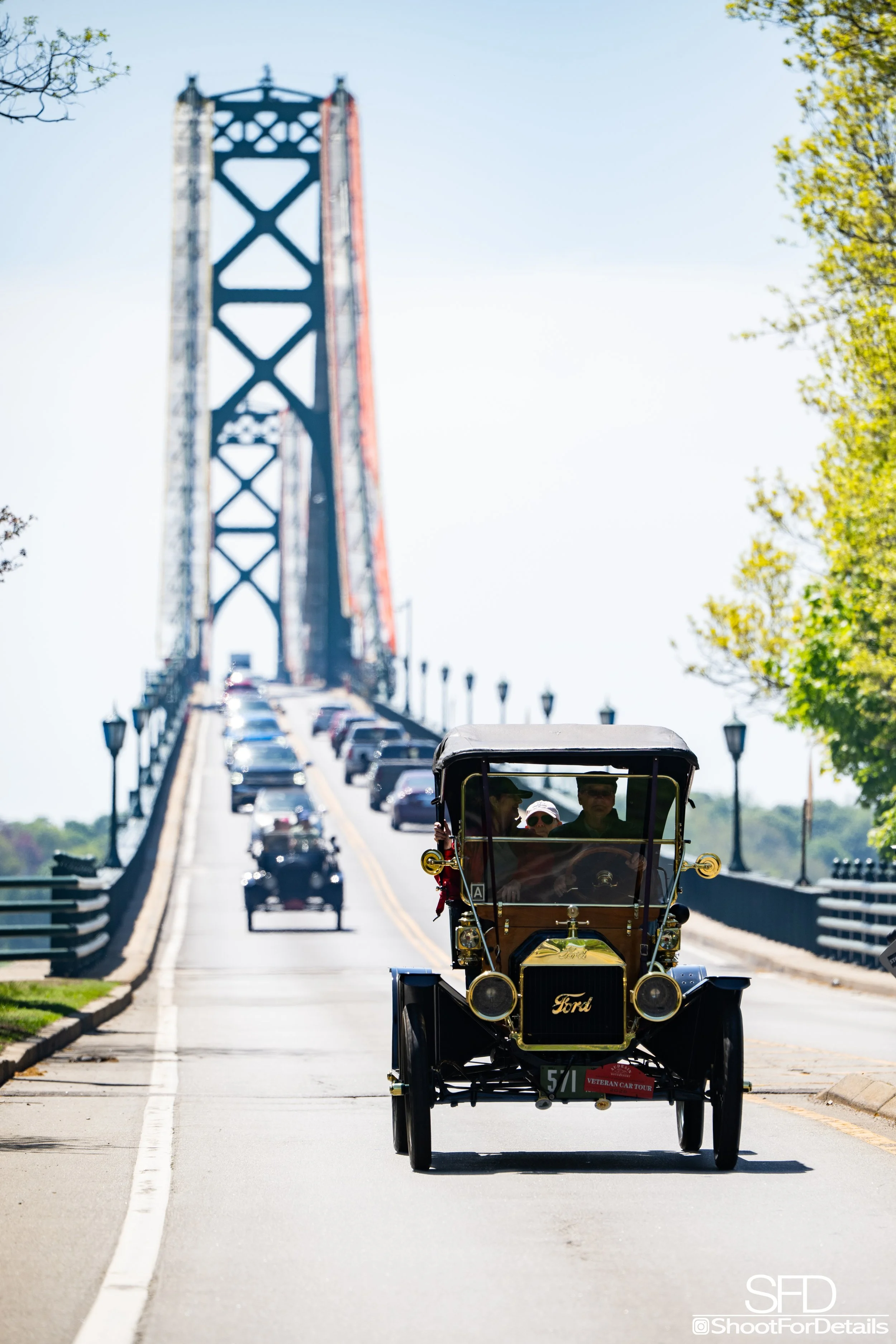
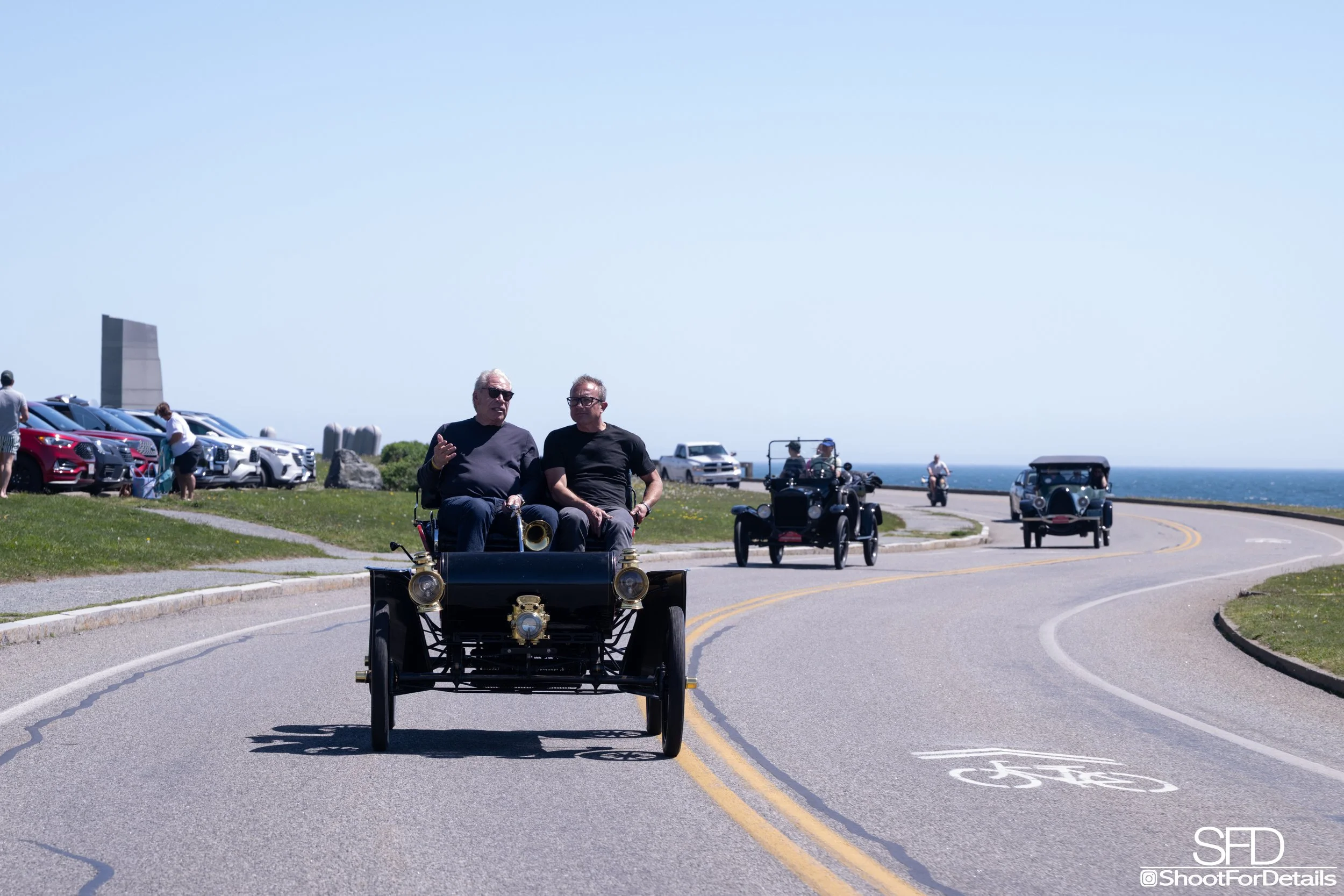
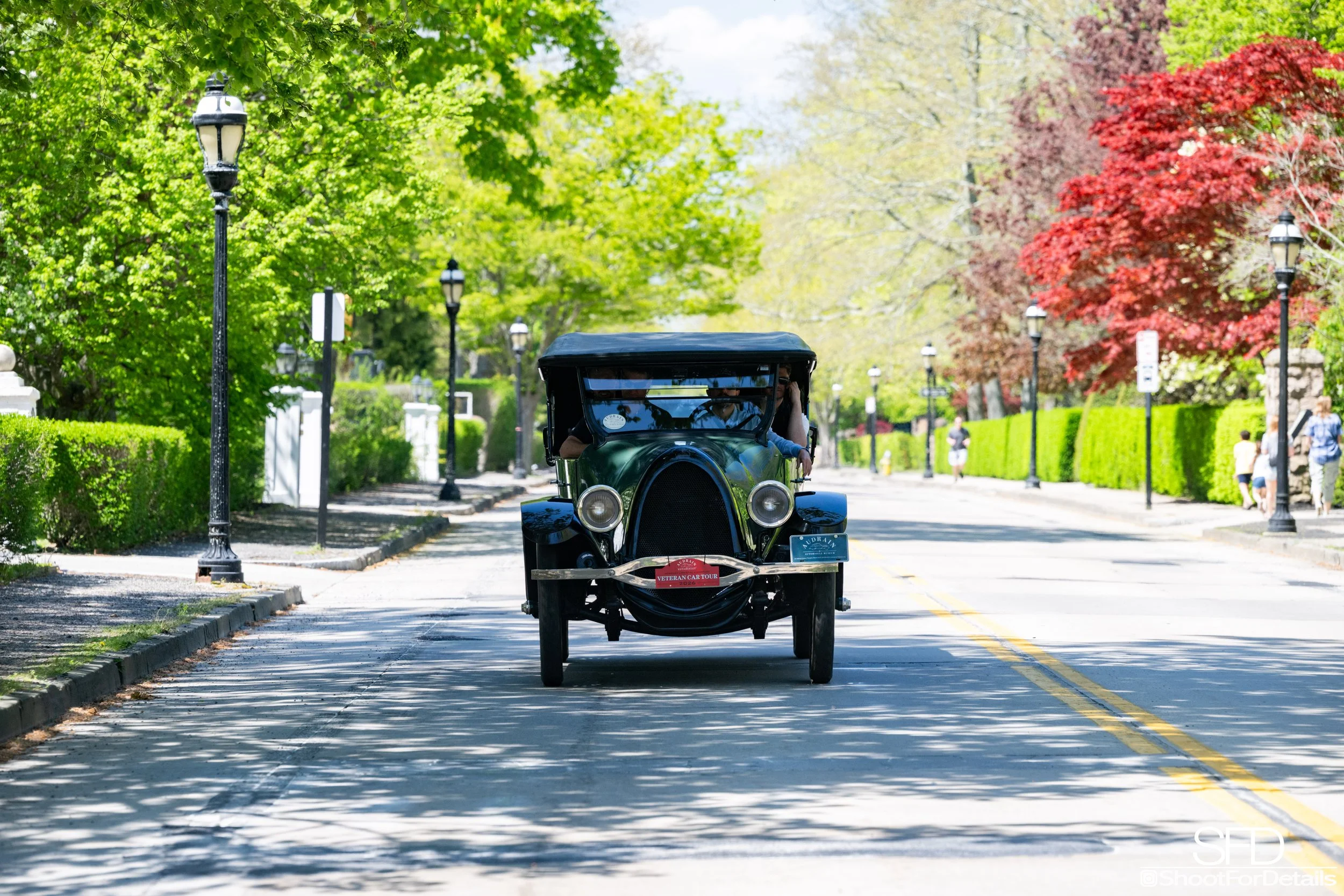
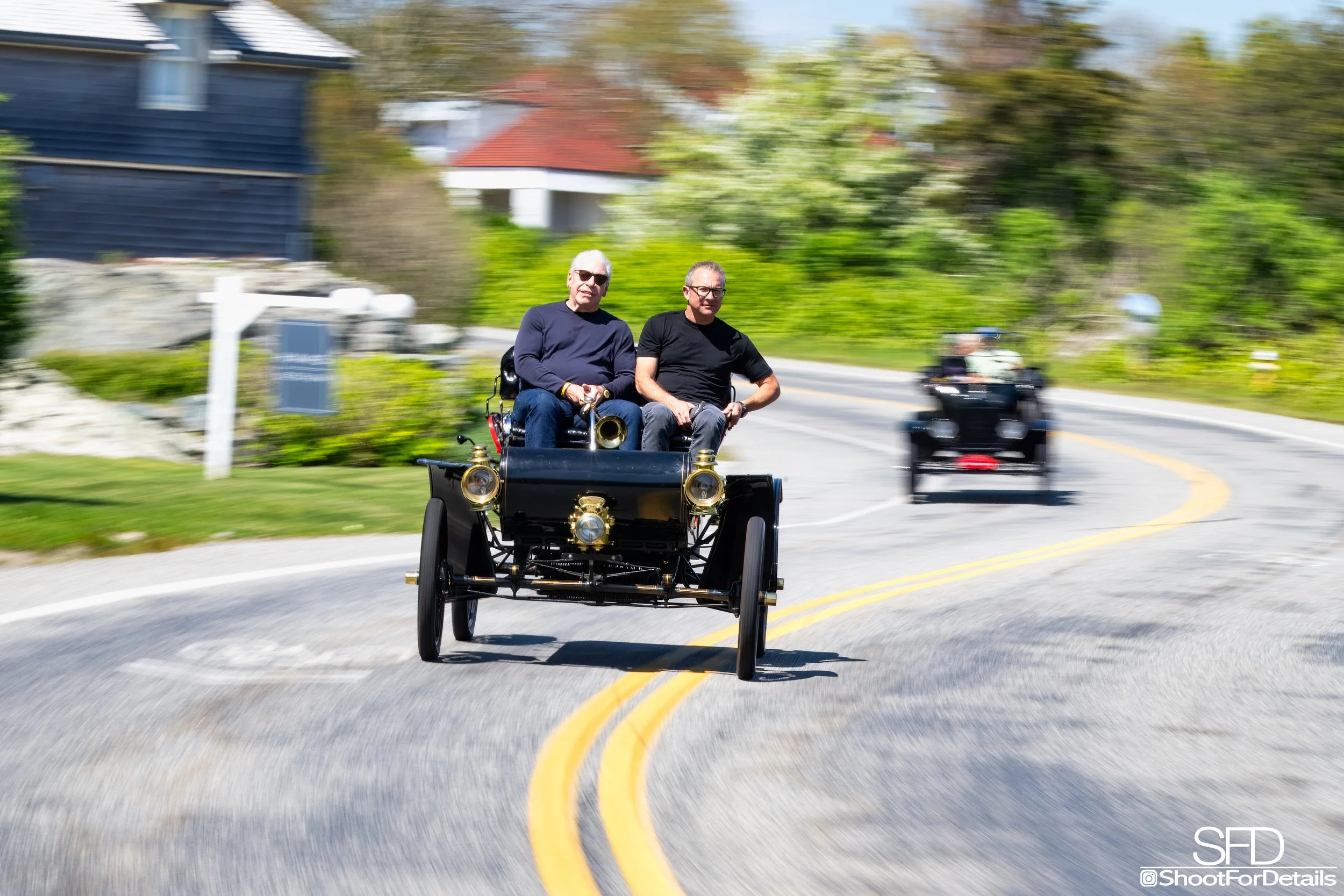
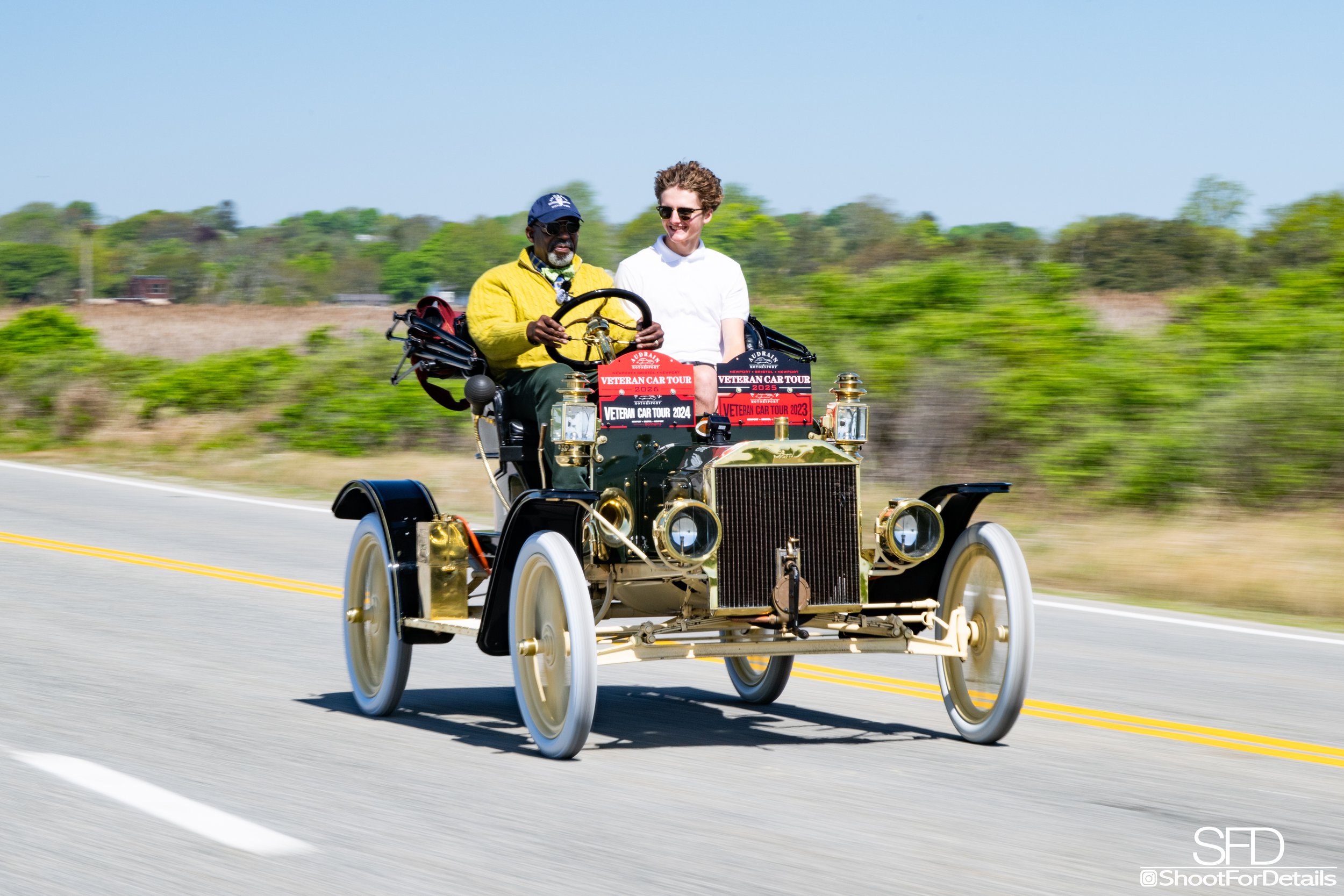
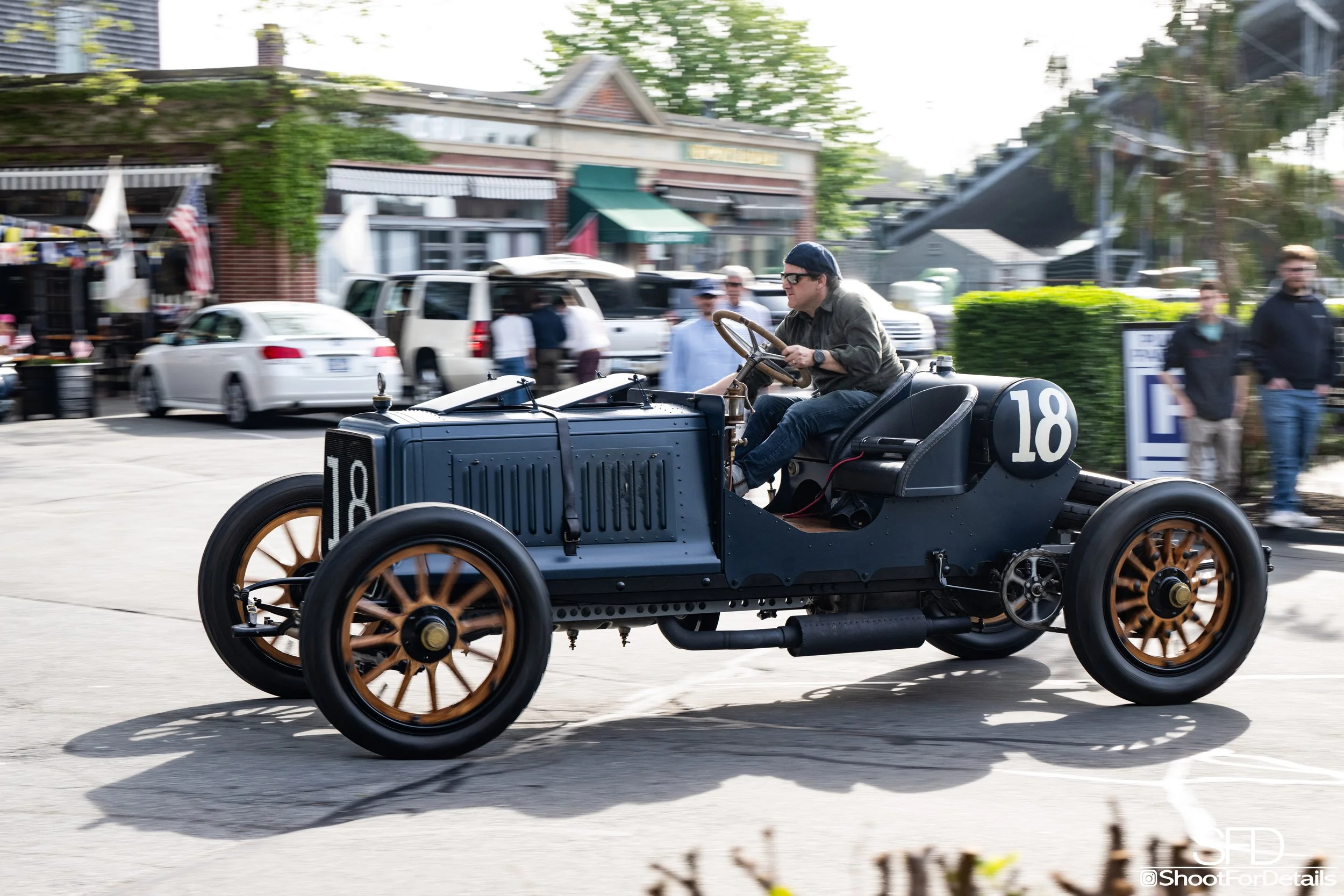
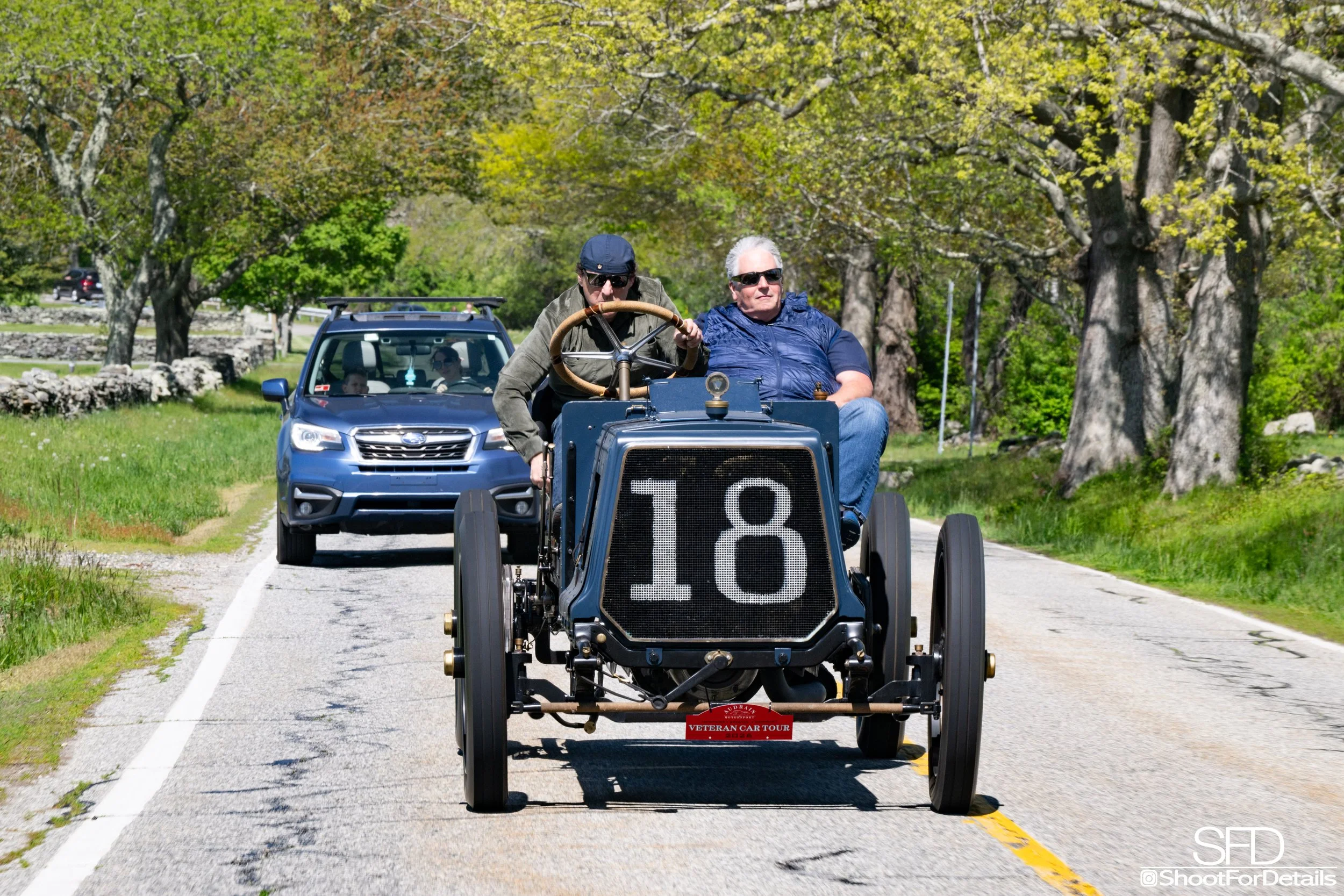
For many of my rolling shots, I intentionally used extremely slow shutter speeds to exaggerate motion blur in the background while keeping the cars sharp. It’s one of the hardest techniques to consistently nail because every bump in the road can ruin a frame instantly. Plenty of photos didn’t work out, but the ones that did captured exactly what I envisioned — spinning wooden wheels, blurred scenery, and these incredible machines appearing alive rather than static.
One of the biggest challenges during rolling photography is maintaining clean spacing around the cars. More often than not, a completely ordinary modern vehicle — usually something like a Prius or Subaru Outback — ends up glued directly behind a 1904 touring car without leaving any room whatsoever. You can only imagine the frustration of trying to photograph one of the most historically significant vehicles on the road while what essentially looks like a giant refrigerator occupies the background of every frame.
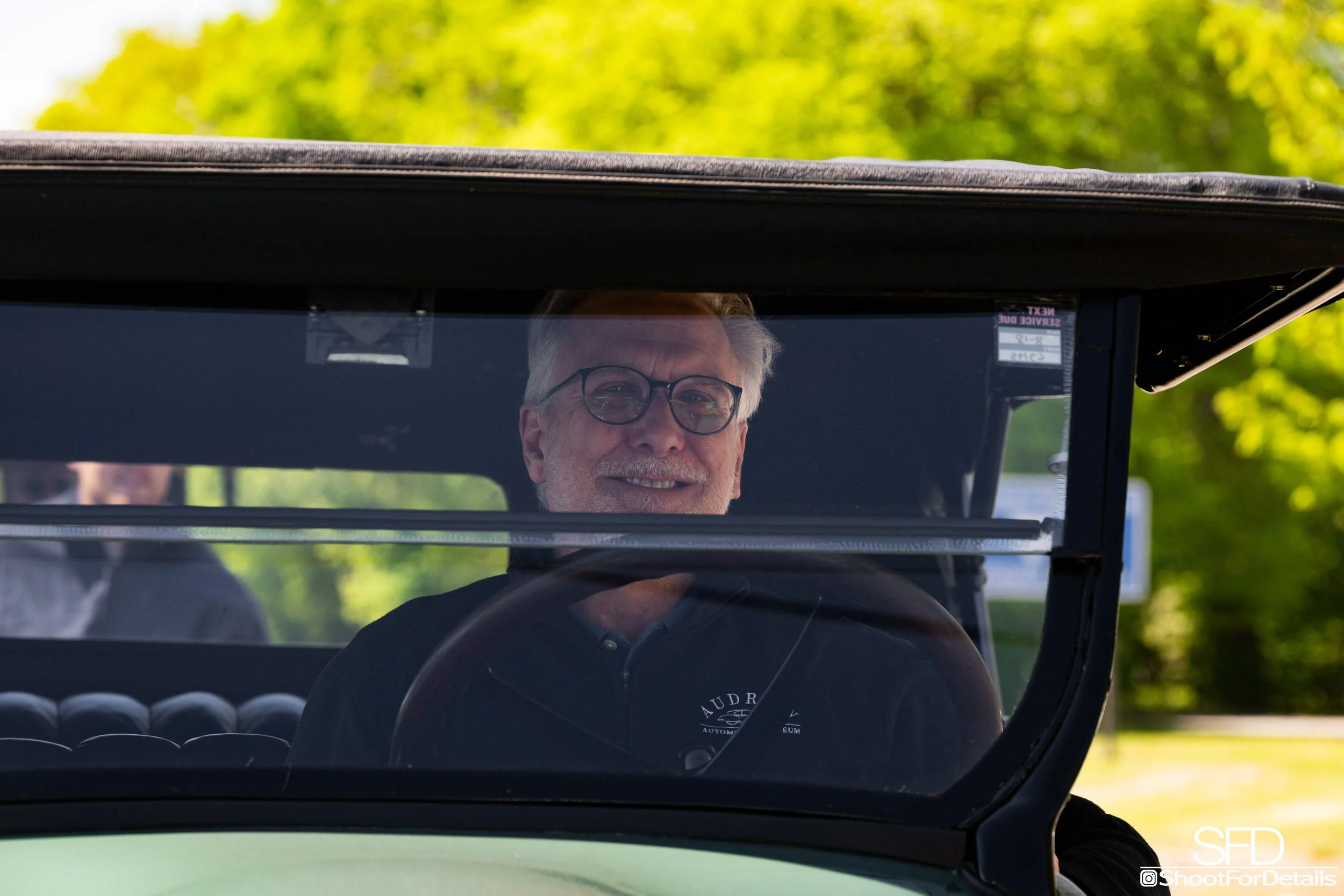
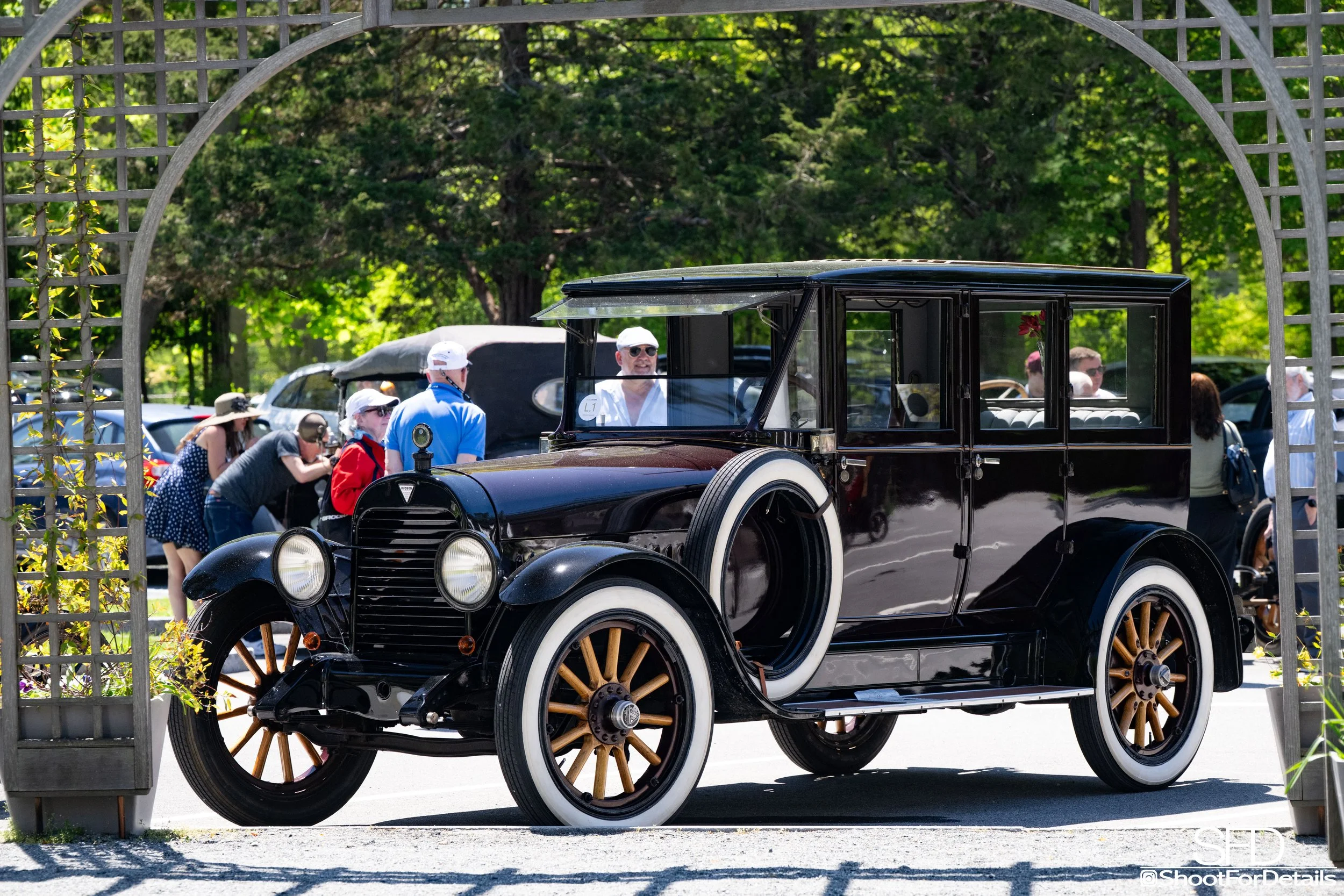
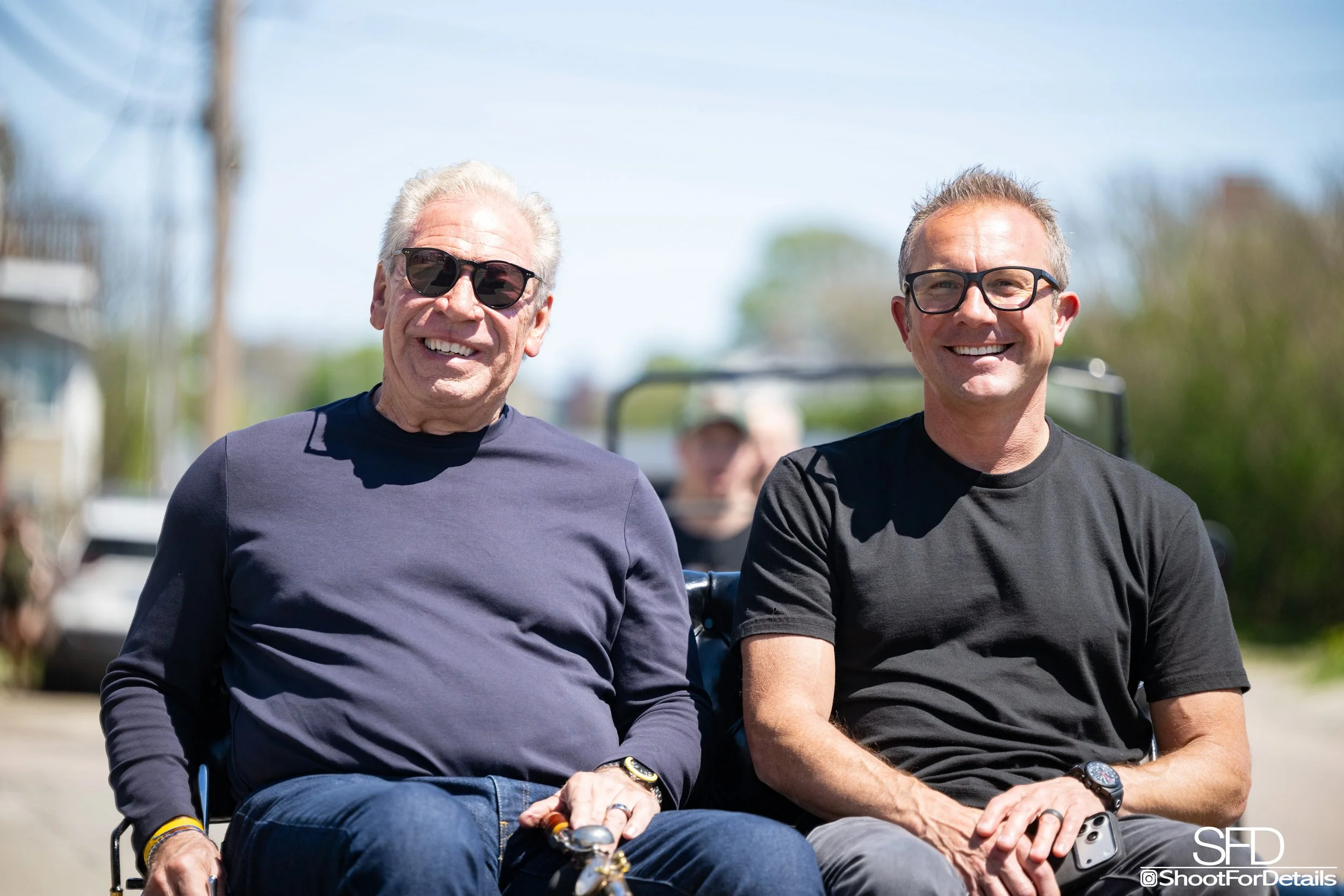
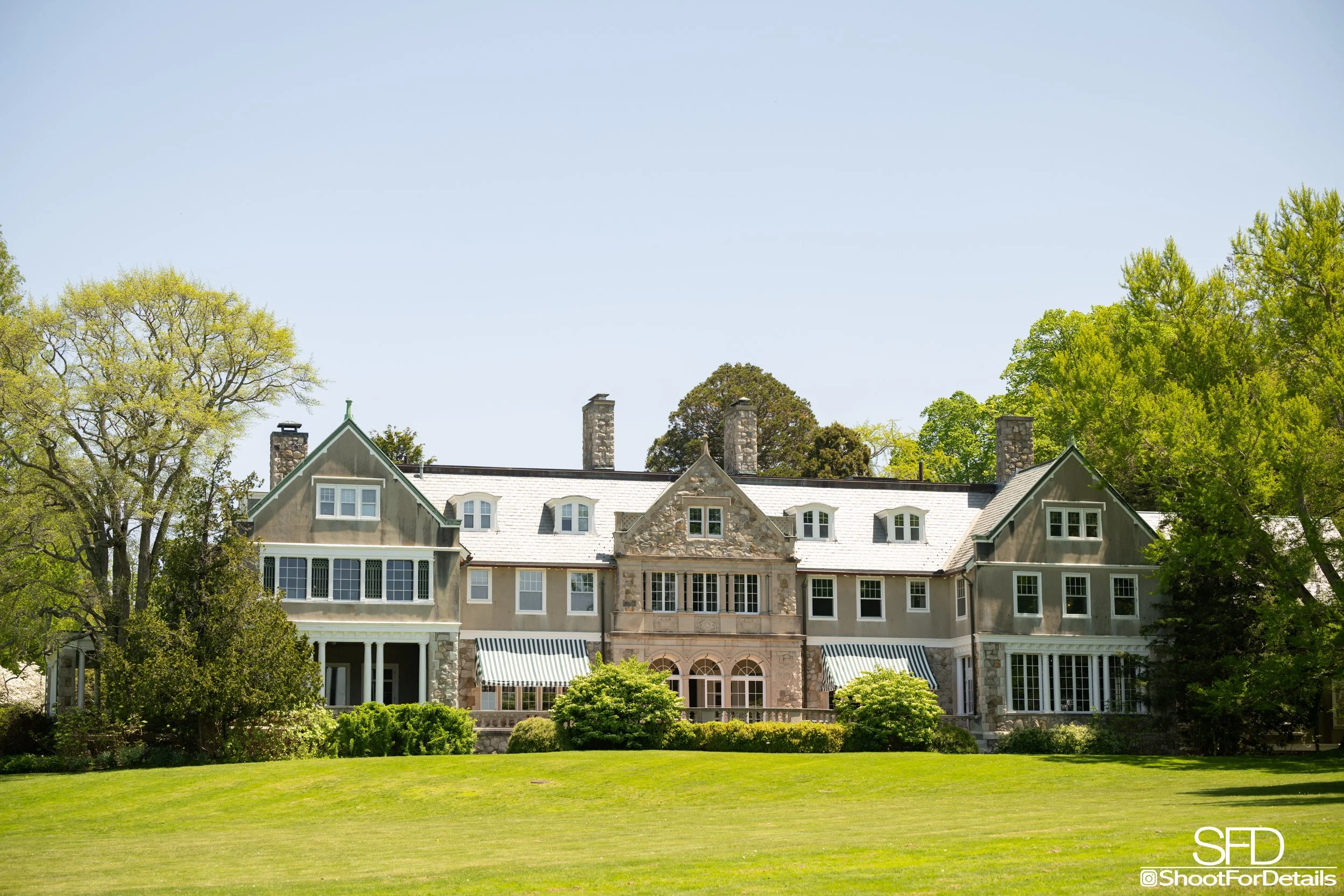
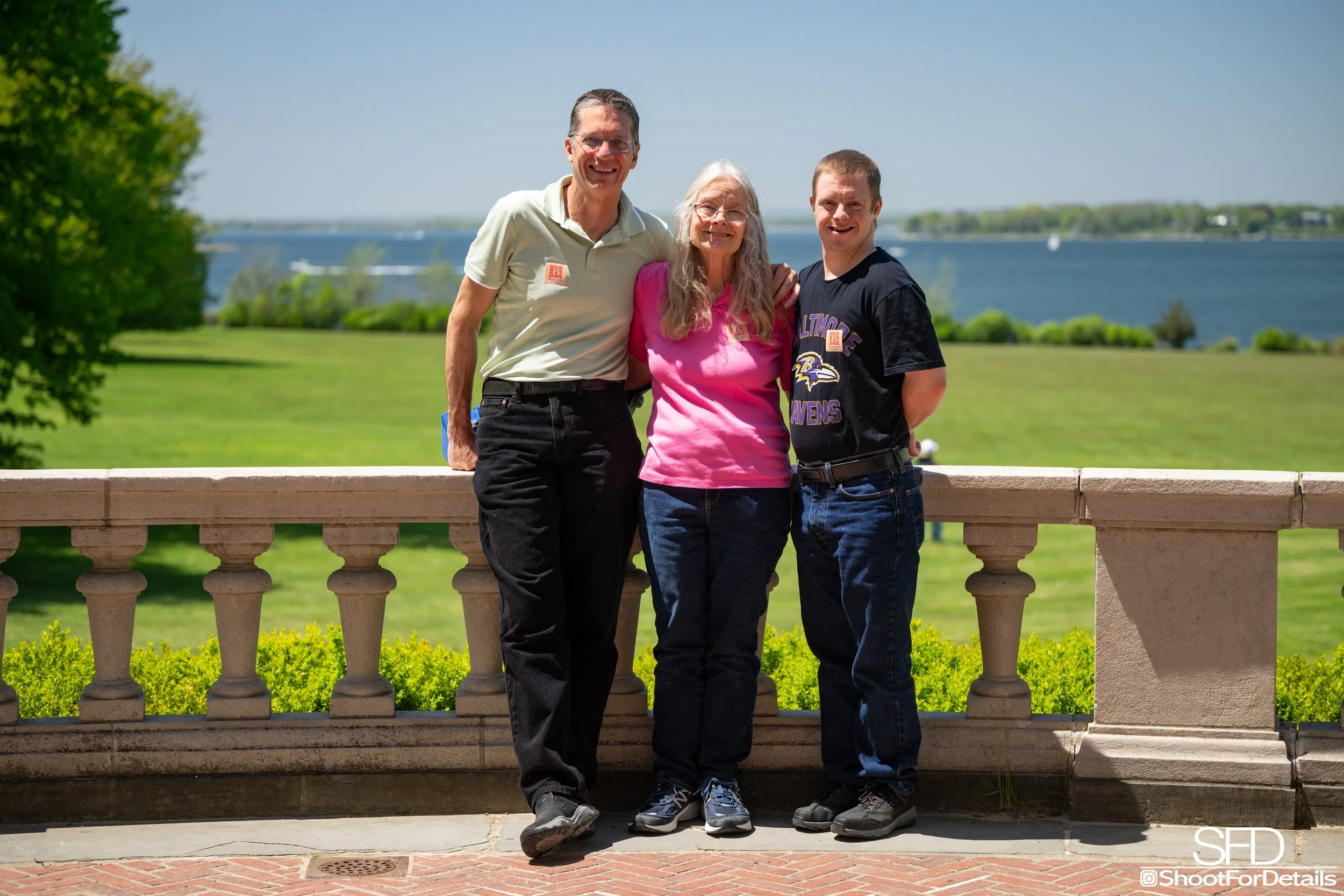
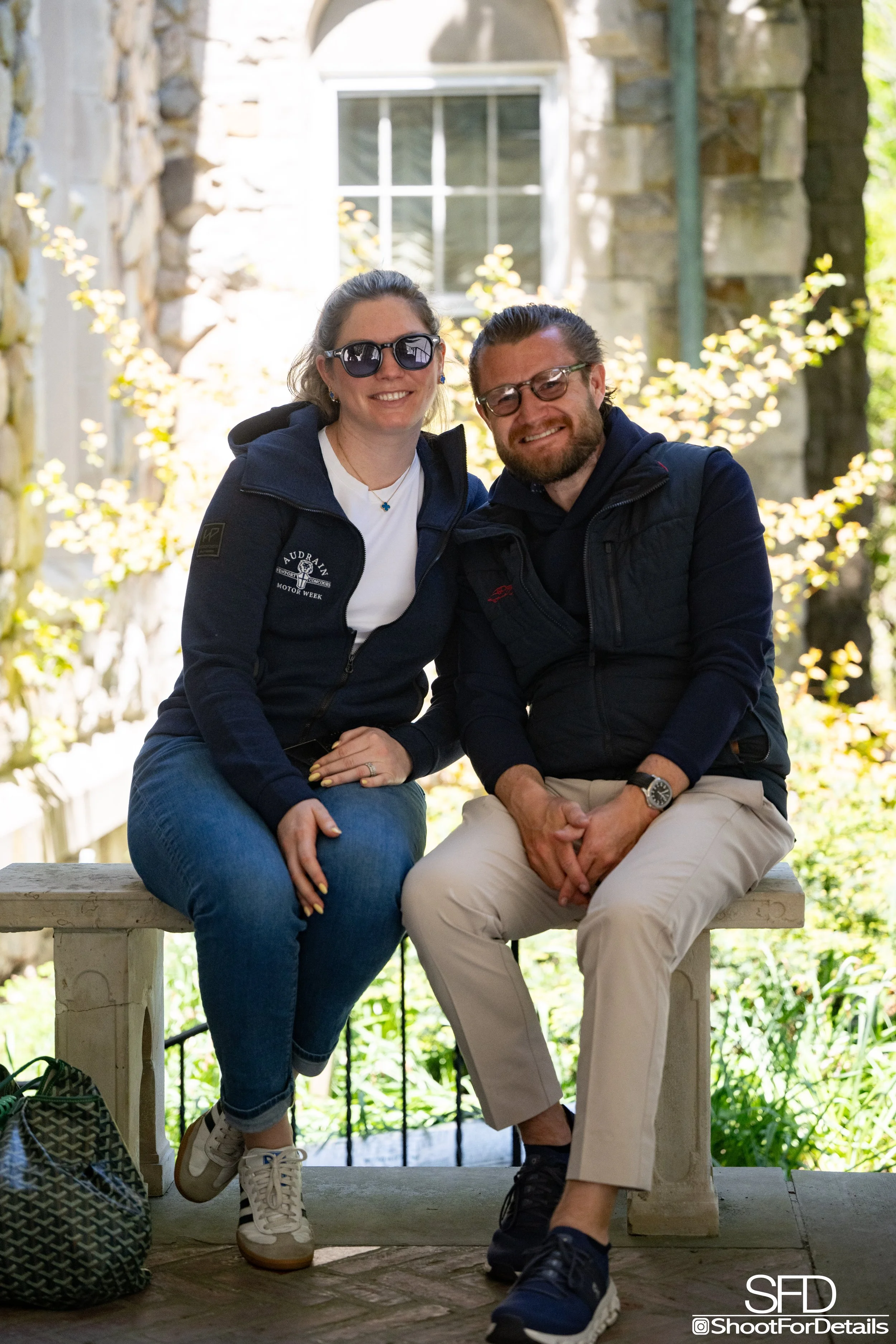
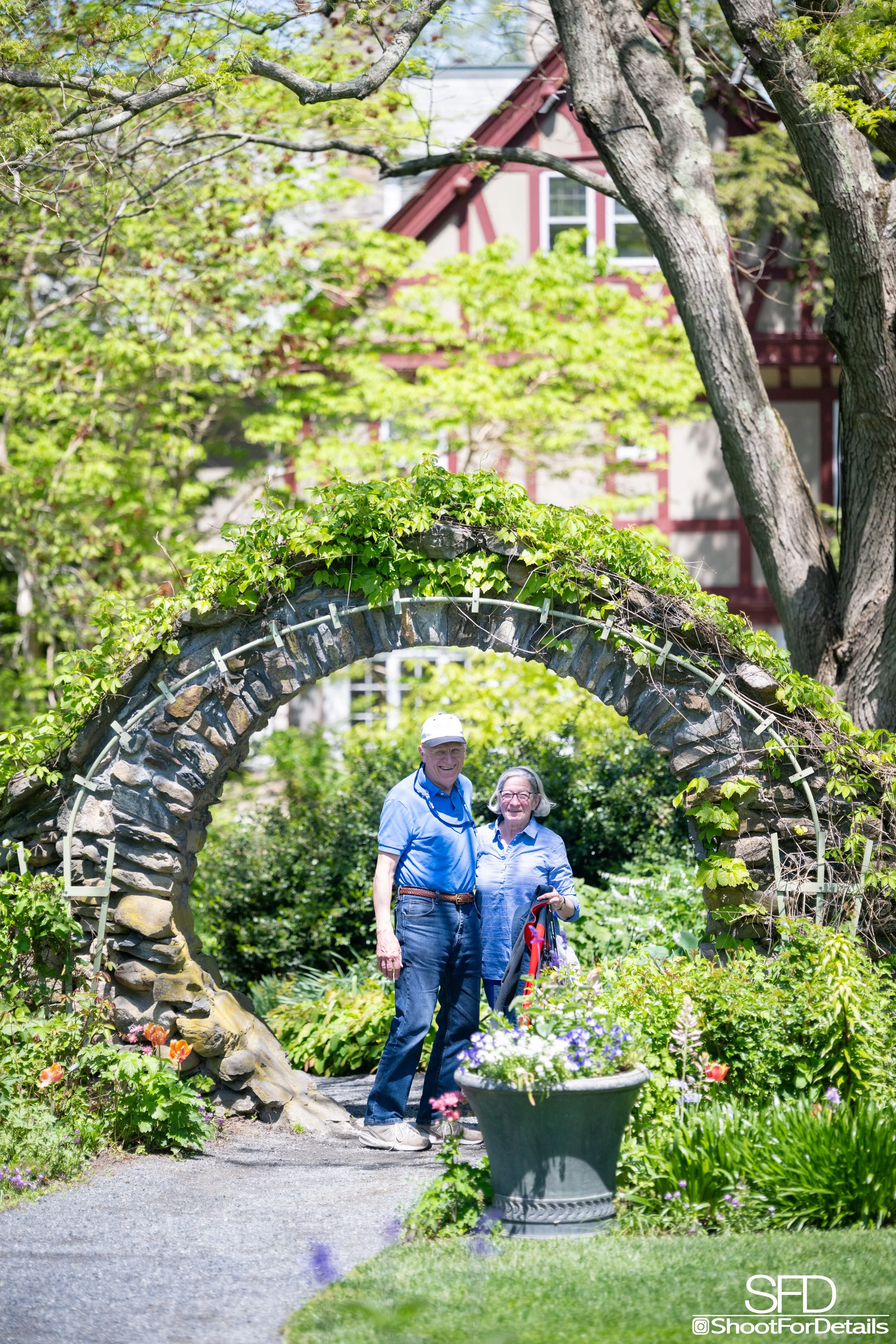
One of the highlights of the tour is the lunch stop at Blithewold Mansion, Gardens & Arboretum in Bristol. After a busy morning on the road, it gives everyone a chance to slow down and enjoy the beautiful grounds. The gardens and archways created perfect photo opportunities throughout the property. At one point, I had several couples walk through the gardens and turn back toward me underneath one of the archways, creating moments that felt timeless alongside the veteran cars.
Despite the age of the cars and the long route, the tour only suffered a single breakdown all day, which is honestly impressive. These machines are over a century old, yet they continue to complete long-distance drives through Newport traffic year after year.
By the end of the event, the only mechanical failure I was truly concerned about was my own backside. After spending the entire day sitting on exposed plastic hardware where the Suburban’s rear seat folds into place, I’ve already decided that next year’s camera gear will include a cushion.
That’s part of what makes the Veteran Tour so memorable, though. It isn’t polished perfection. It’s loud, mechanical, sometimes inconvenient, occasionally frustrating, and completely authentic. For one day, Newport doesn’t simply display automotive history — it relives it.